


At Global Filmz Studios, one of the most common questions we hear from filmmakers is simple but incredibly important: Where does the money actually go when making a documentary?
Budgeting is one of the most critical parts of documentary filmmaking, yet it’s often misunderstood. Many people assume documentary production is flexible, spontaneous, and relatively inexpensive compared to other film formats. While documentaries can be adaptable, they still require careful financial planning to ensure the story is captured effectively, ethically, and professionally.
A well-structured documentary budget does more than track spending. It guides decision-making, supports creative execution, and builds confidence among collaborators and stakeholders. Understanding how documentary funds are allocated helps filmmakers plan realistically, avoid production disruptions, and bring their vision to life without unnecessary setbacks.
This guide breaks down the key areas where documentary budgets are typically allocated and explains why each category matters in the filmmaking process.
Why Budgeting Is the Foundation of Documentary Production
Budgeting is not just about managing money. It is about managing possibilities. Every creative choice in a documentary from filming locations to interview quality to post-production depth is shaped by financial planning.
A structured budget ensures that production moves forward smoothly. It allows filmmakers to anticipate needs, allocate resources strategically, and maintain flexibility when unexpected opportunities arise. Documentary filmmaking often involves evolving stories, changing access, and unpredictable timelines. A thoughtful budget provides stability in a process that is naturally fluid.
At Global Filmz Studios, we view budgeting as a storytelling tool. Financial planning shapes how deeply a story can be explored, how professionally it can be presented, and how widely it can ultimately reach audiences.
Development Costs: Turning an Idea Into a Real Project
Every documentary begins with development the stage where the idea takes shape and becomes a structured project. This phase involves research, planning, and creative preparation.
Development includes activities such as background investigation, story exploration, preliminary interviews, and concept refinement. Filmmakers may travel to assess locations, connect with potential subjects, or gather early footage that helps define the narrative direction.
During this stage, time is one of the most valuable resources. Careful development reduces uncertainty later in production. It clarifies the story’s focus, identifies logistical requirements, and establishes realistic expectations for filming.
Strong development planning ultimately protects the rest of the budget by minimizing costly changes later in the process.
Pre-Production: Planning Every Detail Before Filming
Pre-production transforms a developed concept into an actionable production plan. This stage focuses on logistics, organization, and preparation.
Filming schedules are created, locations are confirmed, and equipment needs are identified. Permissions and access arrangements are secured, and creative planning becomes more precise. Interview structures, shooting strategies, and narrative priorities are carefully mapped out.
Pre-production is where efficiency is built. Thorough planning reduces delays, prevents resource waste, and ensures that filming time is used effectively. The more prepared a production is before cameras start rolling, the more controlled and productive the filming phase becomes.
This stage also establishes coordination between creative and technical teams, ensuring everyone understands their roles and responsibilities.

Production: Capturing the Story on Camera
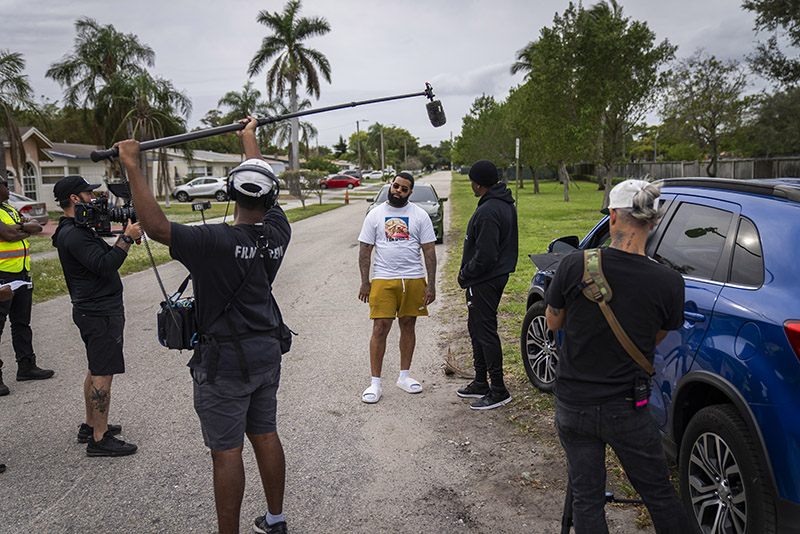
Production is often the most visible phase of documentary filmmaking. It is where the story is recorded through interviews, observational footage, and real-world events.
Filming requires coordination of people, equipment, and locations. Crews must be prepared to adapt to changing circumstances while maintaining professional standards of image and sound quality.
Production budgets support everything required to capture the documentary effectively, including travel, technical setup, and on-site logistics. Documentary filming can span days, months, or even years depending on the subject matter. Long-term projects require careful resource management to sustain consistent production quality.
The goal of production is not simply to gather footage but to gather usable, compelling material that supports the narrative vision established during development.
Equipment and Technical Resources
High-quality storytelling depends heavily on technical execution. Cameras, sound recording systems, lighting tools, and stabilization equipment all play essential roles in capturing professional-grade footage.
Technical resources ensure that interviews are clear, environments are properly lit, and visual storytelling is engaging. Poor technical quality can undermine even the most powerful narrative.
Documentary filmmaking often requires flexible equipment setups that can adapt to real-world environments. Portable systems, backup tools, and specialized gear may all be necessary depending on the filming context.
Investing in reliable technical resources ensures that once important moments occur, they can be captured effectively.
Travel and Location Logistics
Many documentaries involve filming across multiple locations. Travel logistics can become a significant portion of the overall budget, particularly for stories that unfold over time or span geographic regions.
Travel planning includes transportation coordination, accommodation arrangements, and location access preparation. Documentaries often require crews to follow subjects, attend events, or capture environments that cannot be replicated elsewhere.
Location logistics also involve permits, scheduling coordination, and environmental considerations. Some filming environments present unique challenges that require additional planning and preparation.
Travel is not simply movement it is access. And access is often essential to authentic documentary storytelling.
Personnel and Creative Collaboration
Documentaries are collaborative efforts. Even small productions rely on a network of contributors who bring specialized skills to the project.
Creative and technical personnel may include directors, producers, camera operators, sound specialists, editors, and researchers. Each role supports a different aspect of storytelling, production efficiency, and narrative clarity.
Skilled collaborators elevate a documentary’s quality and consistency. They help maintain focus, solve technical challenges, and ensure that production standards remain high throughout the process.
A well-supported team also improves workflow efficiency, reducing delays and preventing costly rework later in the project.
Post-Production: Shaping the Story
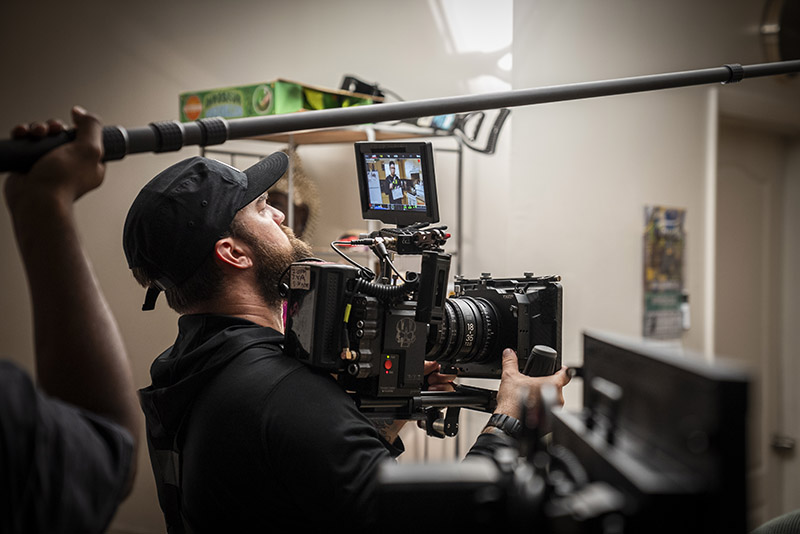
Post-production is where the documentary truly takes form. Raw footage is transformed into a cohesive narrative through editing, sound design, and visual refinement.
Editing is both technical and creative. It involves organizing material, constructing narrative flow, and refining pacing. Documentary editors shape how audiences experience the story, guiding emotional engagement and thematic understanding.
Sound design enhances clarity and atmosphere. Music selection supports tone and mood. Visual adjustments ensure consistency and professionalism across all footage.
Post-production often requires sustained attention over an extended period. It is one of the most detail-intensive phases of documentary filmmaking and plays a decisive role in the film’s final impact.
Archival Materials and Licensing
Many documentaries rely on archival elements to provide historical context or visual depth. These materials may include photographs, historical footage, recorded audio, or documents.
Incorporating archival resources strengthens storytelling by connecting present narratives to past events. However, using such materials often requires research, organization, and proper authorization.
Archival integration must be handled carefully to maintain accuracy and authenticity. It also requires thoughtful editorial decisions to ensure that historical content supports the documentary’s narrative flow.
Graphics, Animation, and Visual Enhancement
Some documentaries use visual elements to clarify complex information or illustrate ideas that cannot be filmed directly. Graphics and animation help audiences understand timelines, data, processes, or abstract concepts.
These visual tools can transform dense information into engaging storytelling components. They support clarity without interrupting narrative momentum.
Visual enhancement is especially useful for educational or investigative documentaries where explanation is central to audience understanding.
Legal and Administrative Support
Documentary filmmaking involves responsibilities beyond creative production. Legal and administrative preparation ensures that the project operates ethically and professionally.
This includes agreements, permissions, release documentation, and rights management. Proper documentation protects both filmmakers and participants while ensuring that the finished documentary can be distributed without complications.
Administrative organization also supports scheduling, record-keeping, and coordination across all production phases.
Marketing and Audience Engagement Preparation
A documentary’s impact depends on its ability to reach audiences. Planning for visibility and engagement is an essential part of budgeting.
Marketing preparation includes developing promotional materials, planning outreach strategies, and building awareness around the film’s themes. Early engagement planning helps documentaries connect with viewers, communities, and conversations relevant to the story.
Audience engagement is not an afterthought it is a continuation of storytelling.
Distribution Readiness
Preparing a documentary for distribution involves technical and strategic preparation. The film must meet presentation standards and be formatted appropriately for various viewing environments.
Distribution readiness ensures that the documentary can be shared widely, consistently, and professionally. It supports accessibility and long-term visibility.
A completed documentary achieves its purpose only when it reaches audiences. Distribution planning ensures that the film’s message travels beyond the production process.
Contingency Planning: Preparing for the Unexpected
Documentary filmmaking is inherently unpredictable. Subjects change schedules, access shifts, and real-world events evolve without warning.
Responsible budgeting includes preparation for unexpected developments. Contingency planning provides flexibility and stability when production conditions change.
Adaptability is one of the defining characteristics of documentary filmmaking, and financial preparation supports that adaptability.

The Big Picture: Budgeting as Creative Strategy
At Global Filmz Studios, we believe budgeting is not simply about tracking expenses it is about protecting storytelling integrity. Each budget category supports a different aspect of the filmmaking journey, from initial concept to final audience experience.
A thoughtful documentary budget balances creativity with practicality. It ensures that filmmakers can pursue meaningful stories without compromising quality, ethics, or professionalism.
Understanding where the money goes provides clarity, confidence, and creative freedom. When resources are allocated strategically, documentary filmmaking becomes more focused, more efficient, and more impactful.
Final Thoughts
Budgeting a documentary is ultimately about alignment aligning resources with vision, preparation with opportunity, and planning with purpose.
Every stage of documentary production depends on thoughtful financial structure. From development research to post-production refinement, each element contributes to the film’s ability to inform, inspire, and resonate with audiences.
At Global Filmz Studios, we see budgeting as the framework that supports powerful storytelling. When filmmakers understand how resources flow through a project, they gain the ability to shape not only their production but the full journey of their documentary from idea to impact.
Q&A on Budgeting a Documentary: Where the Money Goes
At Global Filmz Studios, one of the most common questions we hear from filmmakers, producers, and organizations is about documentary budgeting specifically, where the money actually goes throughout the filmmaking process.
Budgeting is often misunderstood as a simple financial exercise, but in reality, it is one of the most strategic and creative components of documentary production. Every resource decision directly influences storytelling depth, production quality, and distribution potential.
To help clarify how documentary budgets function in real-world filmmaking, we’ve compiled this in-depth Q&A guide. These questions reflect what creators most often want to know when planning their documentary journey.
Why Is Budgeting So Important in Documentary Filmmaking?
Budgeting is the foundation that supports every stage of documentary production. Without clear financial planning, even the strongest story can face delays, compromises, or incomplete execution.
Documentaries operate in dynamic environments. Subjects evolve, access changes, and timelines shift. A structured budget provides stability and flexibility at the same time. It allows filmmakers to respond to real-world developments without losing momentum or quality.
At Global Filmz Studios, we see budgeting as a storytelling framework. It ensures the creative vision is supported by realistic planning, allowing filmmakers to focus on capturing authentic moments instead of reacting to preventable logistical challenges.
What Are the Main Stages of a Documentary Budget?
Most documentary budgets follow the natural lifecycle of production. While every project is unique, funding is typically allocated across several core phases:
- Development
- Pre-production
- Production
- Post-production
- Distribution and audience engagement

Each stage serves a distinct purpose, and together they form the full journey from concept to completed film.
Understanding how resources move through these stages helps filmmakers maintain clarity and control throughout production.
What Happens During the Development Phase and Why Does It Require Funding?
Development is where the documentary truly begins. It is the investigative and conceptual stage where filmmakers explore the story’s potential before formal production starts.
During development, creators conduct research, identify subjects, explore locations, and refine the narrative direction. Early conversations, exploratory filming, and planning discussions often occur here.
This stage reduces uncertainty later. By investing time and resources into understanding the story early on, filmmakers can make informed creative decisions that prevent major structural changes during filming or editing.
Development is essentially the blueprint stage. A well-developed concept leads to smoother production and stronger storytelling.
Why Is Pre-Production Considered a Major Budget Component?
Pre-production is where planning becomes operational. It transforms the creative concept into a detailed roadmap for filming.
This phase involves scheduling, securing access, organizing logistics, preparing equipment, and coordinating the production team. Filmmakers establish how, when, and where the story will be captured.
Strong pre-production improves efficiency across the entire project. When filming begins, the crew knows what to capture, where to go, and how to adapt if conditions change.
Many production challenges are preventable with careful pre-production. That is why it plays such an important role in documentary budgeting.
What Expenses Are Associated With the Production Stage?
Production is the most visible phase of documentary filmmaking. It is where footage is captured through interviews, observation, and real-world events.
Resources during this stage support the technical and logistical requirements of filming. Crews must be equipped, coordinated, and prepared to capture unpredictable moments as they unfold.
Documentary production often requires flexibility. Filming schedules may shift, access may change, and new narrative opportunities may emerge. Proper financial allocation ensures the production team can respond to these developments without interruption.
Production is about capturing reality and capturing it effectively requires preparation, adaptability, and professional execution.
Why Does Equipment Play Such a Significant Role in the Budget?
Technical quality directly affects audience engagement. Clear audio, stable visuals, and consistent lighting make storytelling more immersive and credible.
Documentary environments can be unpredictable, so equipment must be reliable and adaptable. Filmmakers often need tools that function across diverse locations and conditions.
Investing in appropriate technical resources ensures that meaningful moments are recorded clearly and professionally. In documentary filmmaking, opportunities are rarely repeated so the ability to capture them properly is essential.
How Do Travel and Location Logistics Influence Budgeting?
Many documentaries depend on real-world access. Filmmakers may need to travel to follow subjects, capture environments, or document unfolding events.
Travel logistics involve transportation coordination, location preparation, scheduling management, and environmental planning. Each filming location presents unique challenges that must be addressed before production begins.
Location access is often central to authenticity. Documentary storytelling relies on being present where the story lives, and that presence requires careful logistical planning.
Why Is Personnel One of the Most Important Budget Areas?
Documentaries are collaborative by nature. Even small productions rely on skilled contributors who bring creative and technical expertise to the project.
Team members support different aspects of filmmaking visual capture, sound recording, storytelling structure, research, and editing. Their collective work shapes the film’s clarity, coherence, and emotional impact.
Strong collaboration improves efficiency and consistency. Experienced professionals help solve problems quickly, maintain production quality, and ensure the project moves forward smoothly.
People are one of the most valuable resources in documentary filmmaking because storytelling is ultimately a human endeavor.
What Happens During Post-Production, and Why Does It Require Significant Resources?
Post-production is where the documentary becomes a finished story. Raw footage is transformed into a structured narrative through editing, sound design, and visual refinement.
Editors organize material, shape pacing, and build emotional continuity. Sound design enhances atmosphere and clarity. Visual adjustments ensure consistency across scenes.
This phase requires careful attention and creative decision-making. Documentaries often generate large amounts of footage, and shaping that material into a compelling narrative takes time and precision.
How Do Archival Materials Affect the Budget?
Many documentaries incorporate historical footage, photographs, or recorded material to provide context or deepen storytelling.
Archival elements connect present narratives to past events, adding credibility and perspective. However, locating, organizing, and integrating these materials requires dedicated time and preparation.
Proper archival integration ensures accuracy, continuity, and narrative strength. It allows documentaries to explore history in a way that feels tangible and meaningful to audiences.
Why Are Graphics and Visual Enhancements Sometimes Necessary?
Some documentary topics involve complex information that cannot be captured through observation alone. Visual elements such as graphics or animation help explain timelines, processes, or abstract concepts.
These tools improve clarity and engagement. They allow filmmakers to communicate ideas visually while maintaining narrative flow.
Visual enhancements are especially valuable when the story involves education, analysis, or large-scale systems that require explanation.
What Role Do Legal and Administrative Processes Play in Budgeting?
Documentary filmmaking involves ethical and professional responsibilities. Legal and administrative preparation ensures that filming is conducted appropriately and that the finished film can be distributed without complications.
Permissions, agreements, documentation, and organizational planning all support responsible production. These processes protect filmmakers, participants, and the long-term viability of the documentary.
Administrative structure also supports scheduling coordination, record management, and workflow organization.
Why Should Marketing and Audience Engagement Be Part of the Budget?
A documentary’s impact depends on its ability to reach viewers. Audience engagement planning ensures the film connects with people who will benefit from its message.
Marketing preparation includes developing materials, shaping communication strategies, and building awareness around the film’s themes.
Engagement is an extension of storytelling. It allows the documentary to spark conversation, inspire reflection, and create meaningful connections with audiences.
What Does Distribution Preparation Involve?
Distribution readiness ensures the completed documentary can be presented professionally across viewing environments.
This includes formatting, presentation preparation, and technical consistency. A well-prepared film is easier to share, screen, and promote.
Distribution is the bridge between creation and impact. Without preparation, even a powerful documentary may struggle to reach its intended audience.
Why Is Contingency Planning Essential in Documentary Budgets?
Documentary filmmaking unfolds in real time, and real life is unpredictable. Access changes, schedules shift, and unexpected developments can reshape the production process.
Contingency planning provides flexibility. It allows filmmakers to adapt without disrupting overall progress.
Preparedness supports creativity. When unexpected opportunities arise, a flexible budget allows filmmakers to capture them.
How Does Budgeting Support Creative Freedom?
It may seem counterintuitive, but structured budgeting actually expands creative possibilities. When resources are clearly allocated, filmmakers can make confident decisions without hesitation or uncertainty.
Financial clarity reduces stress, improves collaboration, and allows creative teams to focus fully on storytelling.
At Global Filmz Studios, we believe the most powerful documentaries emerge when creative vision and financial planning work together.
What Is the Biggest Misconception About Documentary Budgets?
One of the most common misconceptions is that documentary filmmaking is financially simple because it focuses on real-life events rather than staged productions.
In reality, documentaries require careful planning, sustained effort, and professional execution across many areas. Every phase from research to editing to audience engagement requires dedicated resources.
Documentary filmmaking may be flexible, but it is never unstructured.
What Should Filmmakers Remember Most About Documentary Budgeting?
Budgeting is not just about managing resources it is about enabling storytelling. Every allocation supports a different part of the documentary journey, from early research to final audience impact.
At Global Filmz Studios, we approach budgeting as a strategic and creative process. When filmmakers understand where resources go and why they matter, they gain clarity, control, and confidence.
A well-planned budget does more than support production. It protects the story, empowers the team, and ensures the documentary can reach its full potential.
And ultimately, that is what budgeting is truly about giving meaningful stories the structure they need to be seen, heard, and remembered.
Recent Comments