

Case Study: How a Documentary Helped a Nonprofit Grow Donations
In today’s competitive nonprofit landscape, organizations must do more than explain their mission they must make people feel it. Awareness alone rarely drives action. Donors want to understand impact on a human level, see measurable change, and connect emotionally with the work being done. That is where documentary storytelling becomes transformative.
At Global Filmz Studios, we have seen firsthand how powerful visual storytelling can reshape how nonprofits engage supporters, communicate impact, and inspire giving. This case study explores how a purpose-driven documentary helped one nonprofit dramatically strengthen donor engagement, expand its reach, and create sustained growth in contributions all by transforming its message into an emotional experience.
This is not simply a story about filmmaking. It is a story about connection, trust, and the power of authentic storytelling to turn awareness into action.
The Challenge: Awareness Without Emotional Engagement
The nonprofit in this case had a strong mission and a meaningful track record of impact. Its programs were effective, its leadership was committed, and its community presence was respected. Yet despite these strengths, the organization faced a familiar challenge: people understood what it did, but they did not always feel personally connected to the work.
Traditional communication methods reports, presentations, and written campaigns successfully explained the organization’s initiatives. However, they struggled to translate impact into emotional urgency. Potential donors could intellectually appreciate the mission, but appreciation alone did not consistently lead to increased giving.
Fundraising events generated interest, but engagement levels varied. Online campaigns attracted views, but conversions were inconsistent. The organization needed a way to help supporters move beyond understanding toward genuine emotional investment.
The leadership recognized that their message needed to be experienced, not simply communicated.
The Strategy: Telling a Human-Centered Story
To create deeper connection, the nonprofit chose to focus on storytelling that highlighted real people, real experiences, and real transformation. Instead of presenting statistics or program summaries, the organization committed to sharing the journey of those directly impacted by its work.
The goal was clear: create a documentary that would allow audiences to witness change unfold in real time to see challenges, progress, and outcomes through the eyes of individuals whose lives had been affected.
This approach required a shift in communication philosophy. Rather than emphasizing institutional achievements, the narrative would center on human experiences. The organization’s role would be present, but the story would belong to the people it served.
Authenticity became the guiding principle. Nothing would be staged. Nothing would be exaggerated. The documentary would capture reality as it unfolded.
The Production Approach: Building Trust Through Authenticity
Creating meaningful documentary storytelling requires more than technical expertise. It requires trust between filmmakers, participants, and the organization itself.
The production process began with careful listening. Conversations with program participants, staff, and community members helped identify stories that reflected genuine transformation. The focus was not on dramatic moments alone, but on everyday experiences that revealed long-term impact.
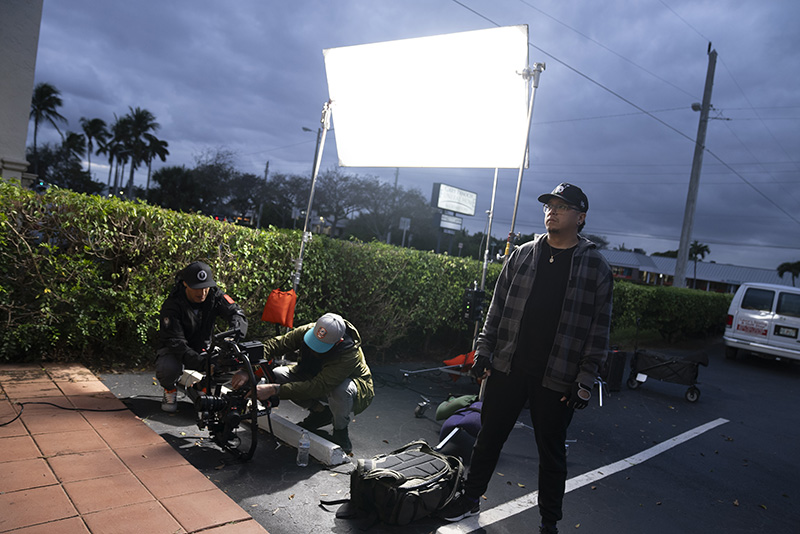
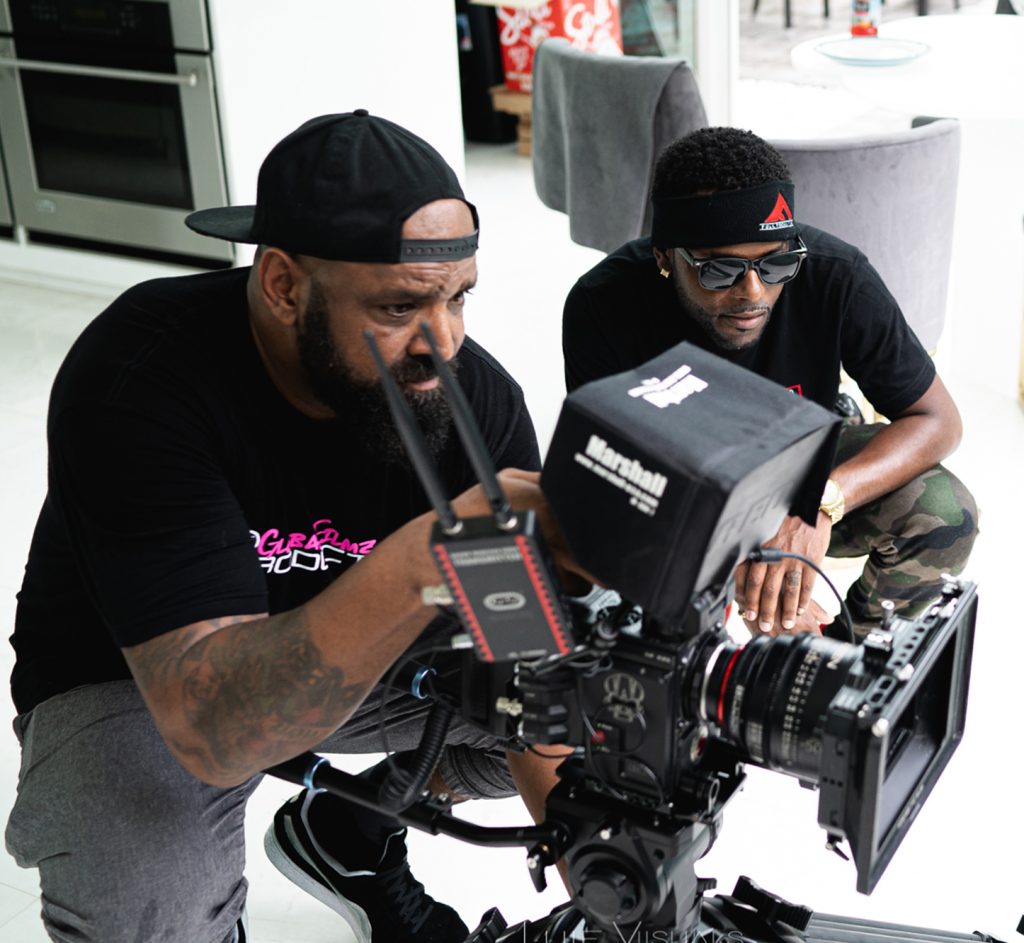
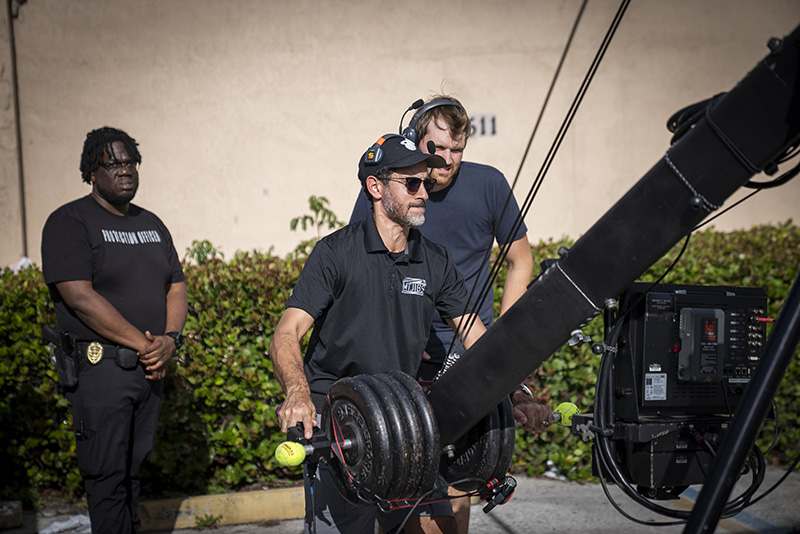
Filming emphasized observation rather than direction. Real interactions, environments, and emotional moments formed the foundation of the narrative. This approach ensured that audiences would feel they were witnessing authentic experiences rather than viewing curated messaging.
The storytelling structure followed a clear emotional arc: challenge, effort, change, and outcome. Viewers would see where individuals began, what obstacles they faced, how support made a difference, and what transformation looked like over time.
By allowing the story to unfold naturally, the documentary created space for empathy the essential ingredient in donor engagement.
The Premiere: Transforming a Fundraising Event
The documentary’s first major presentation occurred during the nonprofit’s annual fundraising event. Previously, this event relied on speeches, program updates, and written impact summaries. While informative, these elements had not always generated strong emotional momentum.
When the documentary was screened, the atmosphere shifted almost immediately. Attendees were no longer passive listeners. They became witnesses to real experiences seeing faces, hearing voices, and feeling the emotional weight of the mission.
Instead of being told why support mattered, they experienced why it mattered.
The film created a shared emotional moment in the room. Conversations after the screening reflected deeper understanding, stronger empathy, and a more personal connection to the cause. The mission felt tangible rather than abstract.
Most importantly, the call to support that followed did not feel like a request. It felt like a natural response to what attendees had just witnessed.
The Immediate Impact: Stronger Donor Response
The nonprofit observed an immediate change in engagement patterns. Donors who had previously given occasionally became more consistent supporters. First-time contributors expressed a stronger sense of personal connection to the mission.
Event participation increased, and conversations with stakeholders became more meaningful. Rather than asking general questions about programs, supporters asked about specific individuals and outcomes they had seen in the film.
The documentary had shifted the nature of engagement from informational to relational. Donors were no longer supporting an organization in the abstract they were supporting people whose stories they had come to know.
This emotional connection strengthened both initial contributions and ongoing commitment.
Expanding Reach: Digital Distribution and Ongoing Engagement
Following the premiere, the nonprofit integrated the documentary into its broader communication strategy. The film was adapted for multiple platforms, allowing different audiences to experience the story in accessible formats.
Online viewers responded strongly to the authenticity of the content. Supporters shared the film with their networks, extending awareness organically. Community partners used the documentary in presentations and outreach efforts.
Unlike traditional campaign materials that often have a limited lifespan, the documentary remained relevant across multiple initiatives. It became a central communication asset used in events, meetings, and digital engagement throughout the year.
The story continued to work long after its initial release, reaching new audiences and reinforcing trust with existing supporters.
Long-Term Results: Sustained Growth in Support
Over time, the nonprofit observed consistent improvement in donor engagement and retention. Contributions became more stable, participation increased, and supporter relationships deepened.
Several long-term outcomes emerged:
- Donors demonstrated stronger emotional loyalty to the mission
- Community awareness expanded through organic sharing
- Stakeholder conversations became more meaningful and specific
- The organization gained greater confidence in communicating impact
Perhaps most importantly, the nonprofit developed a clearer narrative identity. The documentary helped define how the organization presented its work to the world not as a collection of programs, but as a story of transformation.
This clarity strengthened every aspect of communication moving forward.
Why the Documentary Worked
The success of the project was not the result of production alone. It stemmed from strategic storytelling choices rooted in emotional authenticity and human connection.
Several factors made the documentary especially effective.
First, the narrative focused on real people rather than institutional messaging. This human-centered approach allowed viewers to form emotional bonds with individuals whose experiences represented the mission.
Second, the storytelling showed transformation rather than describing it. Audiences witnessed change unfold, making impact visible and tangible.
Third, the documentary aligned with the nonprofit’s values. The tone, pacing, and narrative structure reflected the organization’s identity, reinforcing credibility.
Finally, the film was designed for long-term use. Instead of serving a single campaign, it became an ongoing communication tool that continued generating engagement over time.
Lessons for Nonprofits Considering Documentary Storytelling
This case study offers valuable insights for organizations exploring documentary filmmaking as part of their fundraising strategy.
Effective documentary storytelling requires clarity of purpose, commitment to authenticity, and a willingness to let real experiences guide the narrative. Organizations must be prepared to shift from explaining impact to revealing it.
Equally important is strategic integration. A documentary achieves greatest impact when used across multiple communication channels events, digital outreach, stakeholder engagement, and community education.
When storytelling is aligned with mission and used consistently, its influence compounds over time.
The Role of Emotion in Driving Giving
At the heart of this case study is a simple truth: people give when they feel connected. Documentary storytelling creates that connection by turning abstract missions into lived experiences.
Emotion does not replace information it activates it. When viewers feel empathy, they listen more closely, remember more clearly, and act more decisively.
By making impact visible and personal, documentary films transform awareness into engagement and engagement into support.

A New Standard for Nonprofit Communication
The nonprofit featured in this case study did not change its mission, programs, or values. What changed was how those elements were communicated.
By embracing documentary storytelling, the organization moved from describing impact to demonstrating it. From presenting information to creating emotional experience. From asking for support to inspiring it.
This shift represents a broader transformation in nonprofit communication one that prioritizes authenticity, transparency, and human connection.
Final Thoughts: Storytelling as a Catalyst for Growth
This case study illustrates the profound influence documentary storytelling can have on nonprofit fundraising and awareness. When audiences see real lives changed and real challenges overcome, the mission becomes personal. And when a mission becomes personal, support becomes meaningful and lasting.
At Global Filmz Studios, we believe every nonprofit has stories that can inspire action stories that reveal impact not through claims, but through lived experience. When those stories are told with honesty and intention, they do more than inform. They build trust, deepen relationships, and create momentum for lasting change.
A documentary is more than a film. It is a bridge between purpose and people and when that bridge is built well, it can carry a mission further than ever before.
Q&A Case Study: How a Documentary Helped a Nonprofit Grow Donations
At Global Filmz Studios, we often see organizations searching for more effective ways to communicate impact, connect emotionally with supporters, and grow long-term donor engagement. While traditional outreach methods can inform audiences, they do not always inspire action. Documentary storytelling changes that dynamic by transforming abstract missions into real human experiences.
In this Q&A case study, we answer the most common questions organizations ask after seeing how one nonprofit dramatically strengthened donor engagement through documentary filmmaking. This behind-the-scenes look explains what happened, why it worked, and what other mission-driven organizations can learn from the process.

What challenge was the nonprofit trying to solve?
The nonprofit faced a common but critical challenge: people respected the mission, but emotional engagement was limited. Supporters understood the organization’s purpose, yet that understanding did not consistently translate into deeper involvement or increased giving.
Traditional communication tools provided information, but they lacked immediacy and emotional depth. Reports explained progress. Presentations outlined results. Campaigns highlighted achievements. However, these formats did not always help audiences truly experience the impact being created.
Leadership realized they needed a communication approach that would help supporters feel personally connected to the work not just informed about it.
Read More
A documentary offers something other communication formats cannot: immersive storytelling rooted in real human experience. Instead of summarizing outcomes, it allows audiences to witness transformation directly. The nonprofit recognized that storytelling is most powerful when it shows rather than tells. By documenting real journeys, real challenges, and real progress, the organization could create emotional resonance that written or verbal messaging alone could not achieve. Documentary storytelling also builds credibility. When audiences see authentic moments unfold naturally, trust increases. Supporters feel confident that what they are witnessing is genuine, which strengthens their belief in the organization’s mission. The documentary was created to help audiences understand impact on a human level. Rather than focusing on institutional messaging, the narrative centered on individuals whose lives had been directly affected by the nonprofit’s work. The goal was not promotion it was connection. By allowing viewers to see real experiences, hear personal voices, and witness meaningful change over time, the nonprofit hoped to create empathy strong enough to inspire sustained support. Story selection began with listening. Conversations with staff, program participants, and community members helped identify experiences that represented genuine transformation. The team focused on stories that reflected long-term impact rather than isolated moments. They looked for journeys that showed progression where individuals started, what obstacles they faced, how support influenced their path, and what outcomes emerged. Authenticity guided every decision. The story needed to represent reality honestly while also illustrating the broader mission in a relatable way. The documentary succeeded because it emphasized observation over direction. Instead of staging events or scripting interactions, filming captured real moments as they happened. This approach created emotional authenticity. Viewers could see subtle details expressions, environments, relationships, and everyday experiences that made the story feel immediate and believable. Equally important, the narrative followed a clear emotional arc. Audiences witnessed challenge, support, progress, and transformation. This structure helped viewers understand not only what changed, but how and why change occurred. The film premiered during a major fundraising gathering where supporters were already engaged with the organization’s mission. Instead of beginning with traditional updates, the documentary became the central experience of the event. This shift transformed the atmosphere. Attendees were not simply listening to information they were emotionally involved in the story unfolding on screen. The documentary created a shared experience that connected everyone in the room. When the time came to discuss support, the conversation felt natural rather than persuasive. Attendees had already seen why their involvement mattered. The nonprofit observed a noticeable shift in donor response. Engagement became more personal and more intentional. Supporters asked deeper questions, expressed stronger emotional reactions, and demonstrated a clearer understanding of impact. Many attendees described feeling newly connected to the mission. They no longer viewed the organization only as a service provider they viewed it as a catalyst for real human transformation. This emotional shift influenced both first-time contributions and ongoing support. Yes. One of the most significant outcomes was the film’s long-term value. Instead of serving as a single-use campaign asset, the documentary became a central communication tool across multiple platforms. It was shared digitally, integrated into outreach presentations, and used to introduce new audiences to the mission. Each viewing created another opportunity for emotional connection and understanding. Because the story remained relevant over time, its influence continued well beyond its initial release. The film gave supporters a deeper understanding of the organization’s work by making impact visible and personal. Donors could connect with individuals they had seen on screen, remember specific moments, and feel emotionally invested in outcomes. This personal connection strengthened trust. Supporters felt confident that their contributions were creating meaningful change because they had witnessed that change directly. Over time, this trust translated into stronger relationships and more consistent engagement. Authenticity was the foundation of the entire project. Every aspect of production focused on capturing reality rather than constructing narrative for promotional effect. This authenticity allowed audiences to form genuine emotional responses. They were not reacting to messaging they were responding to lived experience. When storytelling reflects truth, audiences sense that honesty. That perception of integrity strengthens credibility and deepens emotional impact. While outcomes can vary across organizations, several clear patterns emerged from this case. Perhaps most importantly, the nonprofit gained a clearer and more compelling way to communicate its purpose. Giving is often driven by emotional connection. When people understand the human impact of a mission, they are more likely to feel personally involved in its success. Documentary storytelling bridges the gap between awareness and empathy. It transforms abstract goals into tangible experiences that audiences can see, hear, and feel. When viewers emotionally relate to the individuals featured in a story, support becomes an expression of connection rather than obligation. After the film’s success, storytelling became central to the nonprofit’s communication approach. Instead of relying primarily on descriptive messaging, the organization began emphasizing narrative experiences that revealed impact through real examples. This shift created consistency across outreach efforts. Whether engaging donors, partners, or community members, the organization communicated through stories that demonstrated transformation rather than simply explaining programs. The documentary helped define a clear narrative identity that guided future communication. Organizations considering documentary storytelling can gain valuable insight from this experience. The most important lesson is that emotional connection drives engagement more effectively than information alone. Another key takeaway is the importance of authenticity. Stories must reflect real experiences honestly to build trust and credibility. Finally, integration matters. A documentary creates greatest impact when it becomes part of an ongoing communication strategy rather than a single campaign element. Not at all. The effectiveness of documentary storytelling depends on authenticity and emotional relevance, not organizational size. Every nonprofit has meaningful stories that reflect its mission and impact. What matters most is the willingness to share real experiences openly and thoughtfully. Unlike many marketing materials that quickly lose relevance, a well-crafted documentary can remain impactful for years. Because it captures real experiences rather than time-limited messaging, the story continues to resonate with new audiences over time. Its value often grows as it becomes integrated into multiple forms of outreach and engagement. The most important insight is that storytelling transforms how people relate to a mission. When supporters see real lives changed, the purpose of an organization becomes immediate and personal. This emotional clarity inspires action in ways that information alone rarely can. This Q&A case study demonstrates how powerful documentary storytelling can be when used strategically and authentically. By shifting communication from explanation to experience, one nonprofit strengthened relationships, expanded engagement, and created sustained growth in donor support. At Global Filmz Studios, we believe every mission-driven organization has stories capable of creating meaningful connection. When those stories are shared honestly and thoughtfully, they do more than inform audiences they inspire empathy, trust, and long-term commitment. A documentary is not simply a communication tool. It is a bridge between impact and understanding and when that bridge is built with authenticity, it can carry a mission further than words alone ever could.Why did the nonprofit choose a documentary instead of traditional marketing content?
What was the main goal of the documentary?
How was the story chosen?
What made the storytelling approach effective?
How was the documentary introduced to supporters?
What immediate changes occurred after the screening?
Did the documentary continue to create impact after the premiere?
How did the documentary strengthen donor relationships?
 What role did authenticity play in the film’s success?
What measurable improvements did the nonprofit experience?
 Why does documentary storytelling influence giving behavior?
How did the documentary change the organization’s communication strategy?
 What lessons can other nonprofits learn from this case study?
Is documentary storytelling only effective for large organizations?
How long does the impact of a documentary typically last?
What is the biggest takeaway from this case study?
Final Thoughts: Why Documentary Storytelling Drives Lasting Support
Recent Comments