

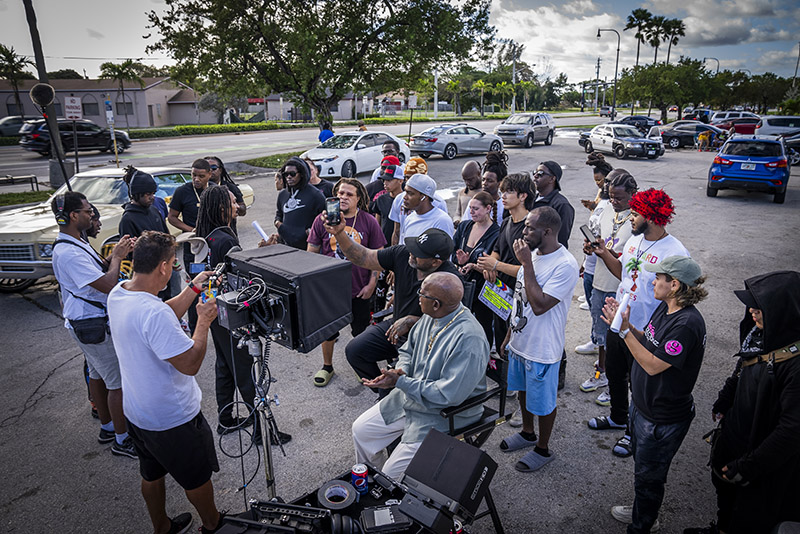
Reality television continues to be one of the most cost-effective and profitable content formats in the global entertainment industry. Compared to scripted productions, reality shows can often be produced faster and with more flexibility, making them highly attractive to networks, streaming platforms, and brands. However, while the genre is known for being “unscripted,” the financial planning behind each production is highly structured and strategic.
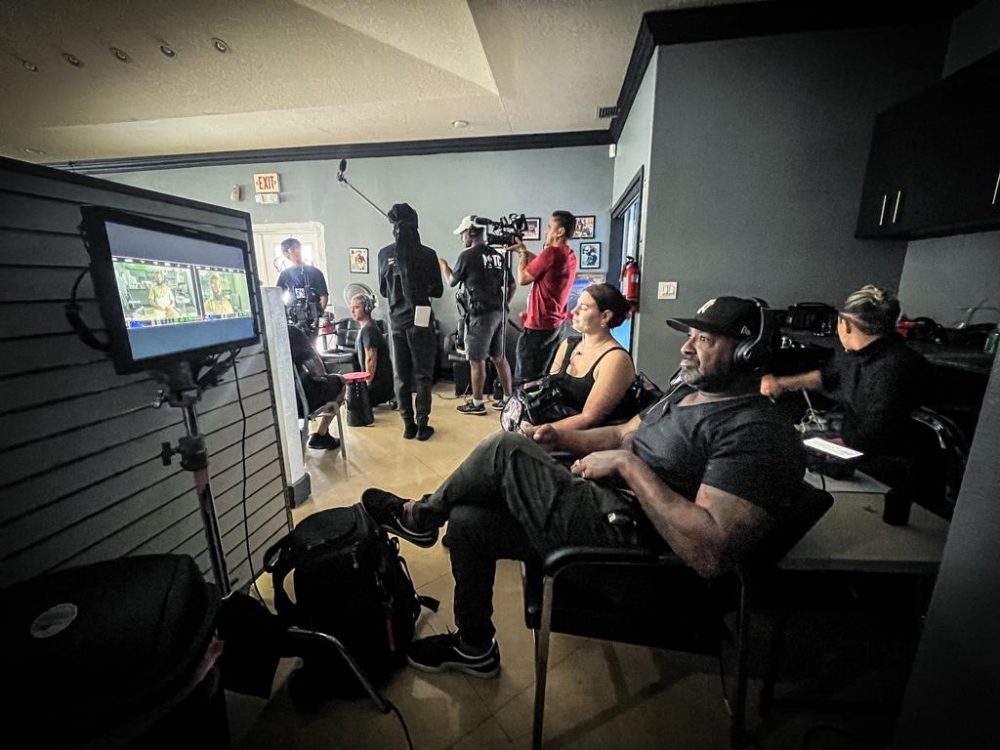
At Global Filmz Studios, we regularly work with clients who are surprised by how many moving parts influence the total budget of a reality TV production. From casting and crew to equipment, travel, post-production, and distribution, every stage comes with its own financial considerations. As we move through 2026, evolving technology, higher production standards, and global distribution demands are continuing to reshape how budgets are built.
In this guide, we break down the key cost components of reality TV production, explain what impacts pricing, and offer a clear overview of what producers, brands, and networks can expect when planning a project this year.
Why Reality TV Budgets Vary So Much
One of the first things to understand is that there is no single fixed price for producing a reality show. Costs can vary dramatically depending on the format, location, cast size, production scale, and distribution goals.
At Global Filmz Studios, we see budgets range from lean, fast-paced digital series to large-scale international productions with multiple filming units. A simple docu-style show with a small crew will naturally cost far less than a competition series filmed across several countries.
Key factors that influence total costs include:
- Number of filming days
- Size of the production crew
- Travel and location logistics
- Equipment and technical requirements
- Level of post-production complexity
Even within the same genre, two shows can have completely different financial structures based on creative direction and production scope.
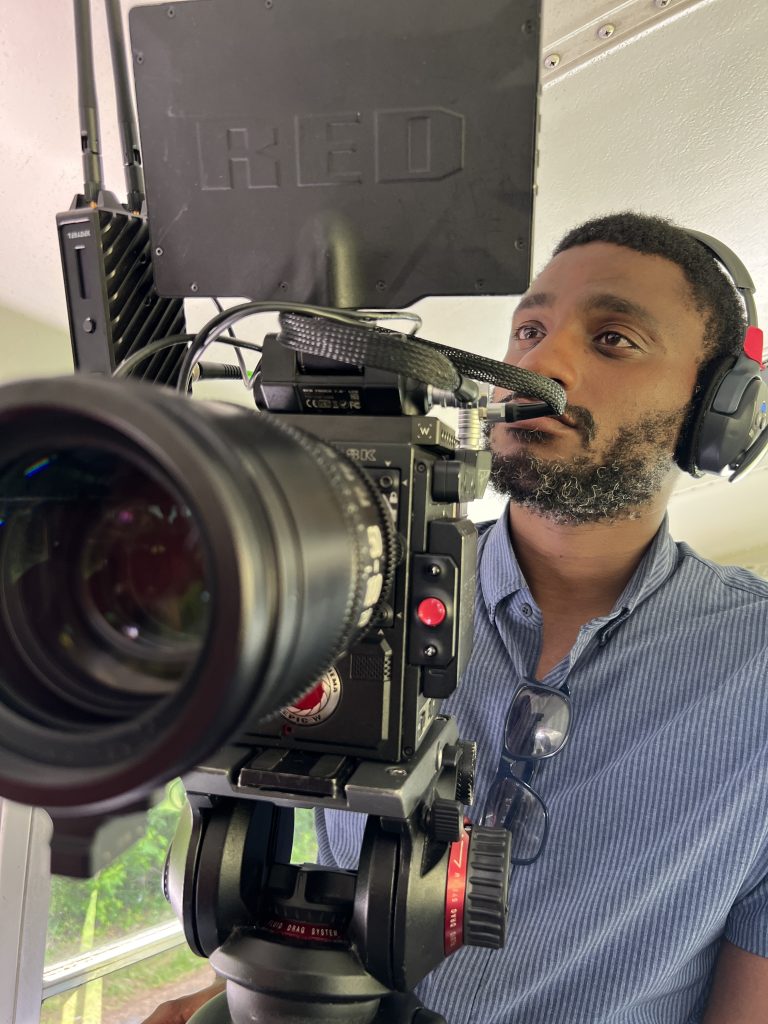
Development and Pre-Production Costs
Before filming even begins, a significant portion of the budget is allocated to development and pre-production. This phase lays the foundation for everything that follows and ensures the production is organized, efficient, and ready to execute.
At Global Filmz Studios, this stage includes concept development, format design, scheduling, location scouting, casting preparation, and early budgeting. While development costs are often smaller compared to filming and post-production, they play a critical role in preventing expensive mistakes later.
Pre-production expenses typically include planning meetings, creative direction, legal setup, research, and coordination. In 2026, we’re seeing more investment in this phase as productions aim to streamline workflows and reduce unexpected costs during filming.
A well-prepared production is almost always more cost-effective in the long run.
Casting and Talent Expenses
One of the most important budget areas in reality TV production is casting. While reality participants are usually not paid at the same level as actors in scripted content, talent costs can still vary widely depending on the concept and the people involved.
At Global Filmz Studios, casting expenses may include participant stipends, travel costs, accommodations, and coordination. If a show features influencers, public figures, or experts, talent fees can increase significantly.
Competition-based formats, for example, often require larger casts, which increases spending on logistics and support. Docu-style shows that follow a smaller group may have more controlled talent-related costs.
In 2026, talent expectations are shifting as more participants understand their value and the exposure they bring to productions. This has led to more structured agreements and, in some cases, higher compensation.
Crew and Production Team Costs
Crew expenses make up a large portion of any reality TV budget. Even though reality productions are typically leaner than scripted sets, they still require experienced professionals to maintain quality and efficiency.
At Global Filmz Studios, our teams include camera operators, field producers, sound technicians, production managers, and support staff. The size of the crew depends on the scale of the project. A small docu-series may operate with a compact team, while a competition show may require multiple filming units running simultaneously.
Labor costs in 2026 are influenced by several factors, including experience level, project duration, and location. Productions that require long shooting schedules or travel often see higher crew expenses due to extended commitments and logistical demands.
Investing in the right team is essential because skilled crews help productions stay on schedule and avoid costly delays.
Equipment and Technical Production Expenses
Modern reality TV productions rely on advanced filming equipment to deliver high-quality visuals and sound. While the genre may appear raw and natural on screen, the technical setup behind the scenes is carefully planned.
At Global Filmz Studios, equipment costs can include camera packages, lighting gear, audio systems, drones, storage solutions, and backup units. The more dynamic the production environment, the more technical support is needed.
In 2026, technology continues to evolve rapidly. Higher-resolution cameras, improved stabilization systems, and faster data workflows have increased both quality and efficiency. However, these advancements can also add to the budget.
Some productions choose to rent equipment to control costs, while others invest in long-term setups depending on how frequently they produce content.
Location and Travel Costs
Many reality shows are built around unique environments, from cities and homes to remote destinations and international locations. As a result, travel and location expenses can quickly become one of the largest budget categories.
At Global Filmz Studios, location costs may include permits, accommodation, transportation, catering, and local coordination. Productions filmed in multiple locations often require detailed planning to keep expenses under control.
In 2026, travel costs remain a significant consideration, especially for projects that involve international movement or extended filming periods. Weather conditions, access to remote areas, and infrastructure limitations can also affect overall spending.
Choosing the right location strategy can make a major difference in managing the total production budget.
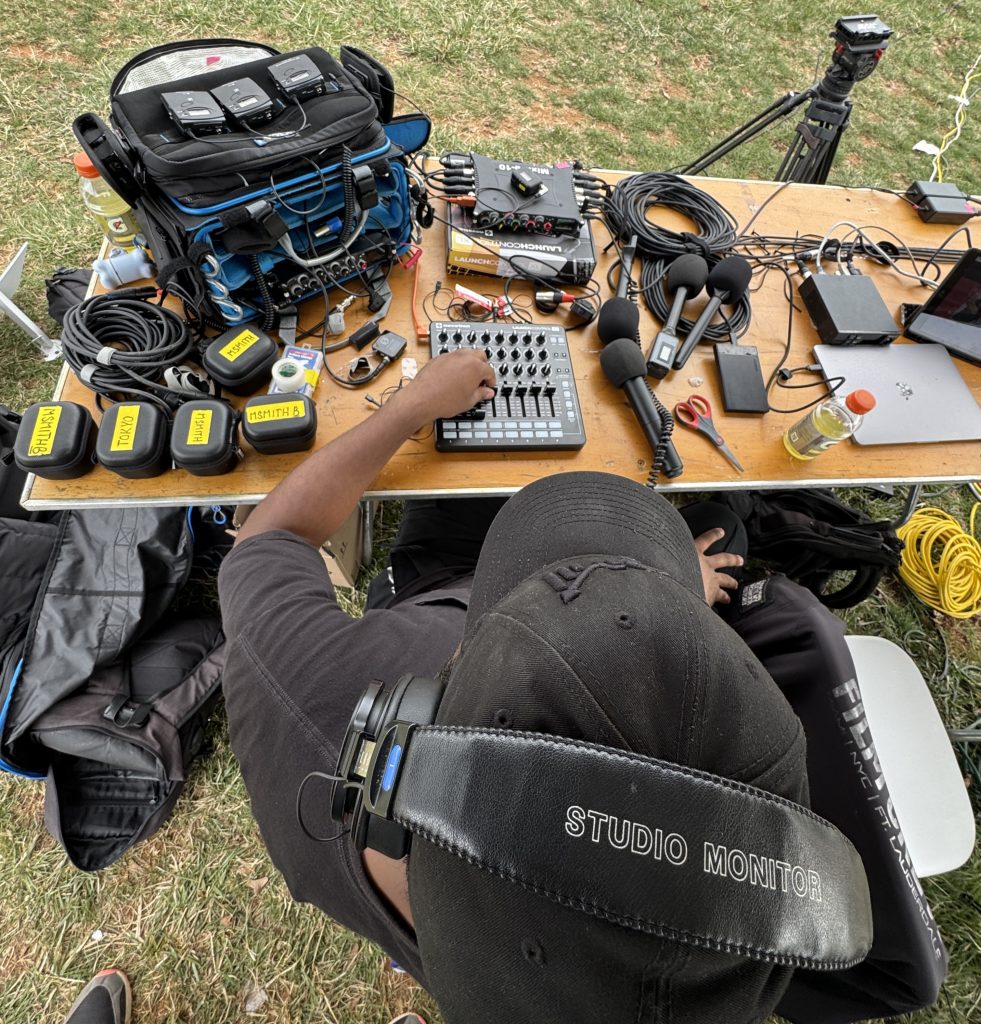
Production Duration and Scheduling Impact
Time has a direct impact on cost. The longer a production runs, the more resources are required across every department.
At Global Filmz Studios, scheduling plays a critical role in keeping budgets balanced. Productions that can film efficiently within a shorter timeframe often save money on crew payments, equipment rentals, and operational logistics.
However, some formats naturally require extended filming. Docu-series that follow participants over months, for example, demand long-term planning and consistent coverage.
Balancing creative needs with time management is one of the most important financial decisions in reality TV production.
Post-Production and Editing Costs
Once filming ends, the project moves into post-production, where the story truly takes shape. This stage often represents a substantial portion of the overall budget, especially for shows with complex narratives.
At Global Filmz Studios, post-production includes editing, sound design, color correction, graphics, music licensing, and final mastering. Reality shows typically generate large amounts of footage, which means editors must spend significant time reviewing and organizing content.
In 2026, audiences expect fast-paced, visually polished reality programming. This has increased the demand for high-quality finishing work, making post-production an area where investment continues to grow.
The more episodes a series has, the more resources are needed to maintain consistency and quality throughout the season.
Legal, Insurance, and Compliance Expenses
Legal and administrative costs are often overlooked when people think about production budgets, but they are essential to protecting both the project and the people involved.
At Global Filmz Studios, this part of the budget includes contracts, participant release forms, insurance coverage, location agreements, and compliance with broadcasting standards.
Reality productions often involve filming real people in real environments, which requires careful planning to avoid legal risks. Ensuring proper documentation is in place helps prevent costly issues later.
In 2026, productions are placing greater emphasis on risk management and participant protection, which has increased the importance of strong legal support.
Marketing and Distribution Considerations
While not always included in the core production budget, marketing and promotional efforts can significantly impact the overall cost of a reality TV project.
At Global Filmz Studios, we often collaborate with networks and partners to create trailers, promotional visuals, and behind-the-scenes content. These materials help build anticipation and attract audiences once the show is released.
Distribution strategies also influence how much is spent. Projects aimed at global streaming platforms may require additional formatting, localization, and promotional support.
The goal is to ensure the content reaches the right audience while maintaining a strong and consistent brand presence.
Average Reality TV Budget Ranges in 2026
Although every production is unique, there are general budget ranges that help illustrate what to expect. Smaller digital reality series can be produced with relatively modest investments, especially when filming locally with compact crews.
Mid-level productions with professional crews, multiple locations, and structured post-production typically require a more substantial budget. Large-scale network shows, especially competition formats or international projects, can reach significantly higher financial levels.
At Global Filmz Studios, we focus on building customized budgets based on each project’s creative vision and logistical needs. There is no one-size-fits-all number, but understanding the core cost categories helps set realistic expectations from the start.
How Technology Is Changing Production Costs
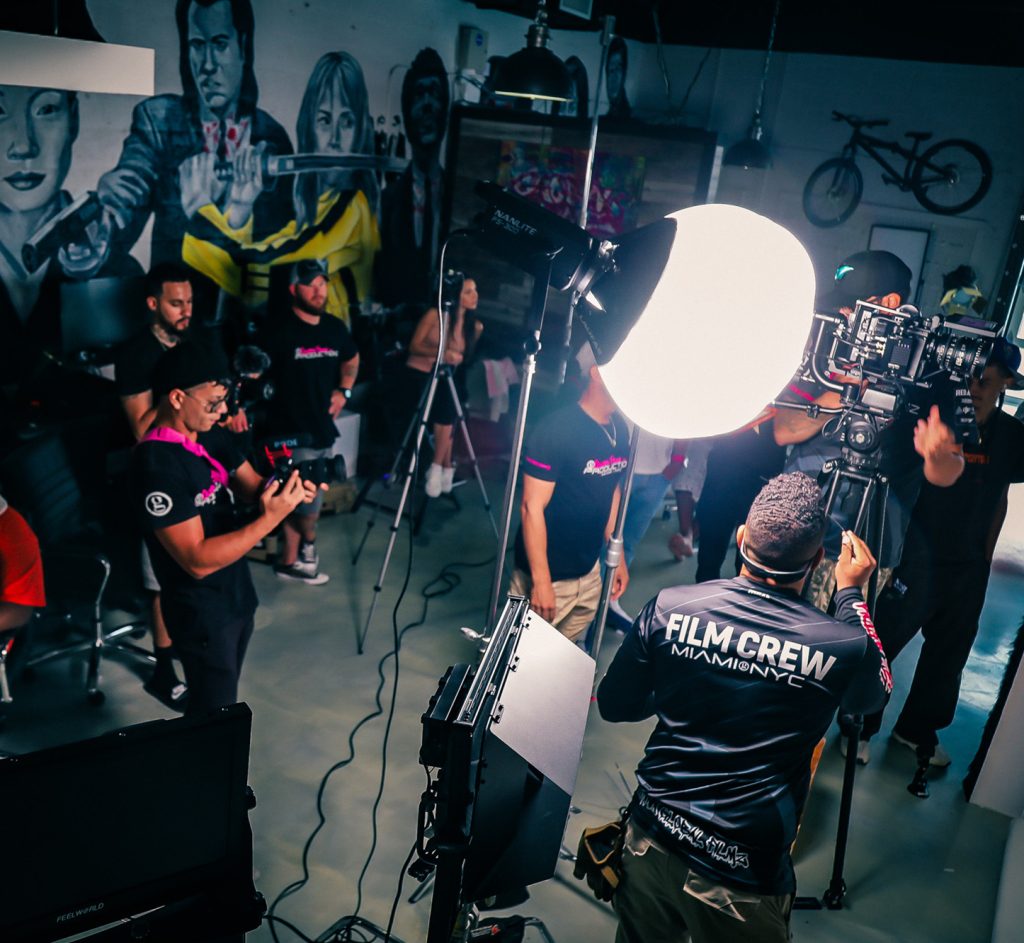
Technology continues to reshape how reality TV is produced. Remote collaboration tools, cloud-based editing systems, and more efficient camera setups are helping streamline workflows.
At Global Filmz Studios, we’re seeing productions become more flexible and adaptable thanks to these advancements. Smaller teams can now achieve results that once required larger crews, which can help control costs without sacrificing quality.
At the same time, audience expectations have grown. High-definition visuals, strong storytelling, and polished editing are now standard, which means productions must continue investing in quality.
The balance between efficiency and excellence is a key focus for reality TV budgets in 2026.
Smart Budget Planning for Successful Productions
A successful reality TV budget is not just about cutting costs. It’s about allocating resources in the right places to support both creativity and efficiency.
At Global Filmz Studios, we approach budgeting as a strategic process. Careful planning, clear scheduling, and strong communication help prevent unnecessary spending and keep productions on track.
Some of the most effective ways to manage costs include prioritizing experienced crews, optimizing filming schedules, and making smart decisions about locations and equipment. These choices can significantly influence the final outcome.
Final Thoughts on Reality TV Production Costs in 2026
Reality TV remains one of the most dynamic and accessible formats in the entertainment industry, but producing high-quality content still requires careful financial planning. Every phase of production, from development to distribution, contributes to the total cost.
At Global Filmz Studios, we believe that transparency and preparation are the keys to successful budgeting. Understanding where resources are needed helps creators, brands, and networks make informed decisions and build productions that are both creative and sustainable.
As production standards continue to rise in 2026, thoughtful budgeting has become more important than ever. With the right strategy, reality TV projects can achieve strong visual quality, compelling storytelling, and efficient execution without losing control of costs.
Q&A on Reality TV Production Costs: Budget Breakdown for 2026
Reality television remains one of the most competitive and fast-evolving sectors in the entertainment industry. As we move through 2026, production standards are higher, audience expectations are sharper, and streaming platforms continue to demand polished, high-volume content. While reality TV is often considered more affordable than scripted programming, the truth is that budgeting for an unscripted series requires strategic planning and deep industry insight.
At Global Filmz Studios, we regularly guide clients, brands, and networks through the financial realities of producing reality television. In this Q&A guide, we break down the most common questions about reality TV production costs in 2026 and explain what truly impacts the bottom line.
How much does it cost to produce a reality TV show in 2026?
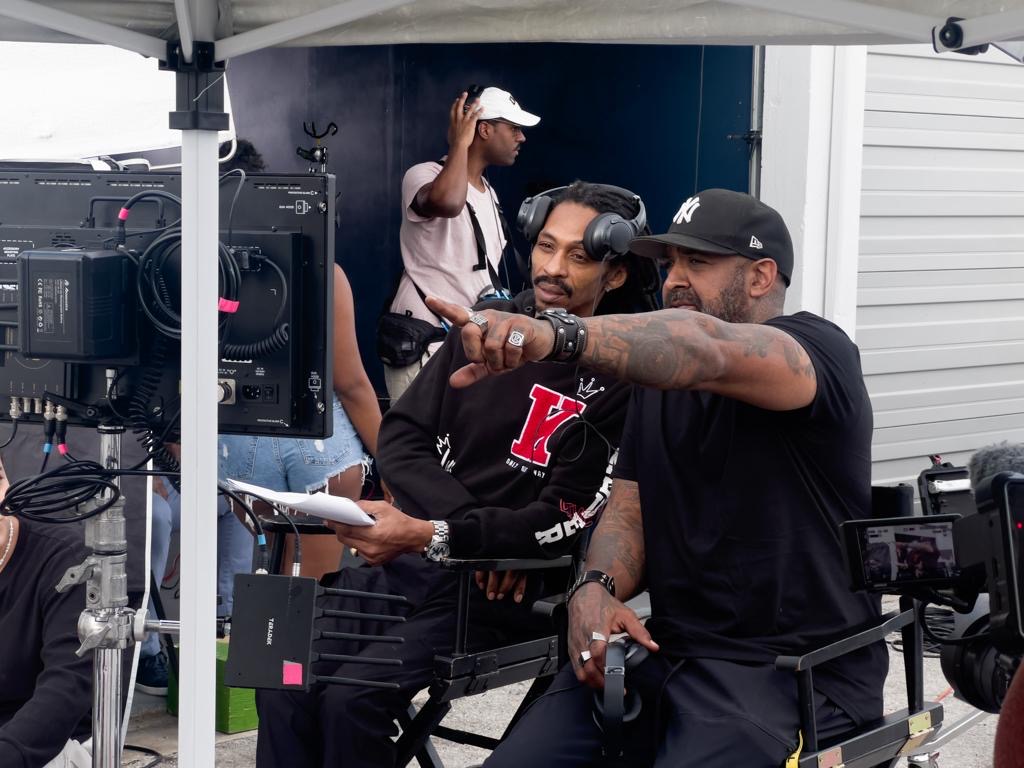
The cost of producing a reality TV show in 2026 varies significantly depending on format, scale, location, and distribution goals. Smaller digital-first series with limited crews and localized filming can operate on relatively modest budgets. Meanwhile, large-scale competition shows or international docu-series require far more substantial financial investment.
At Global Filmz Studios, we approach budgeting based on scope rather than general averages. A short-form lifestyle series will look very different financially from a multi-location travel competition. What matters most is understanding how each production element contributes to the overall cost structure.
The key takeaway is that there is no single universal price point. Every project is custom-built around its creative and logistical demands.
Why do reality TV budgets vary so widely?
Reality TV budgets differ because the genre itself is incredibly diverse. A show that follows a small group of people in one location will naturally cost less than a large competition series with multiple cameras, challenges, and travel logistics.
Several variables directly influence costs, including:
- Number of filming days
- Crew size and experience level
- Talent involvement
- Post-production complexity
- Travel and location requirements
At Global Filmz Studios, we see budget differences even between shows within the same genre. The more ambitious the production vision, the more resources are required to execute it properly.
What are the main categories in a reality TV production budget?
Every reality TV budget is divided into core production phases. While specific line items vary, most projects include development, pre-production, filming, post-production, and administrative expenses.
At Global Filmz Studios, we structure budgets to provide transparency across these stages. Development covers concept planning and preparation. Production includes crew, equipment, and location costs. Post-production encompasses editing, sound design, graphics, and finishing. Administrative expenses include legal, insurance, and operational coordination.
Breaking down the budget into clear categories helps clients understand where their investment is going and how each phase supports the final product.
How much does development and pre-production cost?
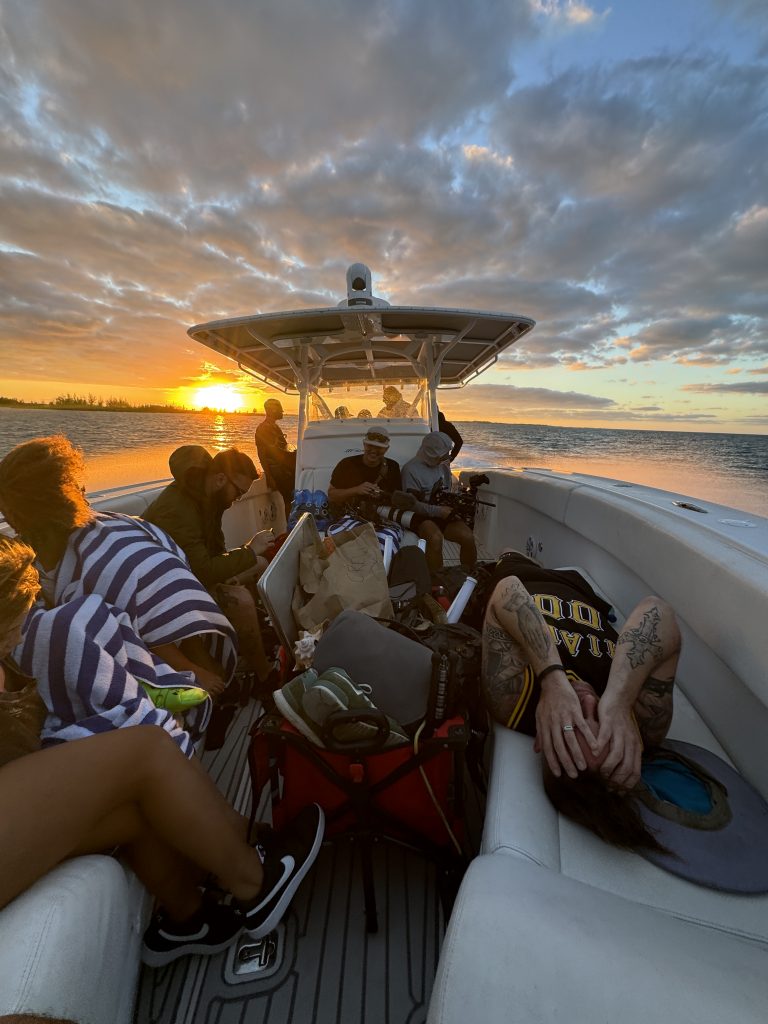
Development and pre-production are often underestimated but critically important. This phase includes concept refinement, format structuring, casting preparation, scheduling, and logistical planning.
In 2026, productions are investing more heavily in pre-production to reduce unexpected costs during filming. At Global Filmz Studios, we prioritize detailed planning to prevent delays and inefficiencies later.
While development may represent a smaller percentage of the total budget compared to filming or post-production, it has a direct impact on overall financial efficiency. Strong preparation often leads to smoother production and fewer costly disruptions.
Are talent and casting expensive in reality TV?
Talent costs vary depending on the type of participants involved. Traditional reality shows featuring everyday individuals may operate with stipends or limited compensation structures. However, productions involving influencers, public figures, or experts often require negotiated talent fees.
At Global Filmz Studios, casting budgets account for travel, accommodations, coordination, and legal documentation in addition to participant compensation. Competition-based formats with larger casts naturally incur higher costs due to logistics and support.
In 2026, as personal branding and digital influence continue to grow, participants are increasingly aware of their value. This shift has led to more structured and, in some cases, more competitive talent agreements.
 How much do crew and production teams cost?
Crew expenses represent one of the largest components of any reality TV budget. Even lean productions require experienced professionals to ensure technical quality and operational efficiency.
At Global Filmz Studios, crew costs depend on project scale, duration, and location. A compact docu-series may operate with a streamlined team, while a competition show may require multiple camera operators, field producers, audio technicians, and support staff.
Labor rates in 2026 reflect both experience and market demand. Skilled professionals are essential to keeping productions on schedule and maintaining quality standards, which ultimately protects the overall investment.
What role does equipment play in overall costs?
While reality TV is often perceived as raw and spontaneous, the technical infrastructure behind it is highly sophisticated. Equipment expenses can include camera systems, lighting setups, audio gear, drones, storage solutions, and backup systems.
At Global Filmz Studios, we assess equipment needs based on format requirements. A single-location docu-series may require minimal setup, while a dynamic competition show with outdoor challenges demands more advanced technical support.
In 2026, high-resolution filming and faster data workflows have become standard. While technology increases efficiency, it can also raise baseline costs due to higher-quality expectations from networks and audiences.
 How do location and travel affect the budget?
Location choices can significantly impact total production costs. Shows filmed in controlled environments are typically easier to manage financially than those requiring extensive travel.
At Global Filmz Studios, we factor in permits, accommodations, transportation, catering, and local crew coordination when building location budgets. International productions often face additional expenses such as customs logistics and regional compliance requirements.
Travel costs remain a major consideration in 2026, especially for series designed to appeal to global audiences through visually diverse settings.
Is post-production a major expense?
Yes, post-production can represent a substantial portion of the total budget. Reality shows generate extensive amounts of footage, which requires careful review, organization, and editing.
At Global Filmz Studios, post-production includes editing, sound design, color correction, graphics, and final mastering. The complexity increases with the number of episodes and the depth of storytelling required.
Audience expectations in 2026 demand polished pacing and strong narrative flow. As a result, investing in high-quality post-production is essential to ensuring the series feels professional and competitive in today’s market.
What legal and insurance costs are involved?
Legal and insurance expenses are essential for protecting the production and everyone involved. These costs cover contracts, release forms, location agreements, risk assessments, and insurance policies.
Reality productions often involve filming real people in unpredictable environments. At Global Filmz Studios, we ensure all legal documentation is handled carefully to minimize liability and protect the project’s integrity.
In 2026, compliance standards continue to evolve, especially for productions intended for global streaming platforms. This makes professional legal oversight more important than ever.
Does marketing affect the production budget?
Marketing is sometimes separate from the core production budget, but it still influences overall financial planning. Promotional materials such as trailers, teasers, and behind-the-scenes content often require additional creative resources.
At Global Filmz Studios, we collaborate with networks and platforms to produce promotional assets that align with the show’s identity. Strong marketing support can significantly impact a series’ success after launch.
In today’s content-saturated landscape, visibility plays a major role in return on investment.
How is technology changing reality TV budgets in 2026?
Technology is both increasing efficiency and raising expectations. Cloud-based editing systems, remote collaboration tools, and lightweight camera setups allow productions to move faster and operate with greater flexibility.
At Global Filmz Studios, we leverage technology to streamline workflows and reduce unnecessary expenses. However, higher audience standards for video quality and storytelling mean that productions cannot compromise on finishing quality.
The challenge in 2026 is balancing innovation with cost control while maintaining strong creative execution.
What is the smartest way to control reality TV production costs?
Smart budgeting starts with strategic planning and clear communication. At Global Filmz Studios, we focus on aligning creative goals with financial realities from the earliest stages of development.
Cost control does not mean cutting corners. Instead, it involves prioritizing resources where they have the most impact, optimizing filming schedules, and maintaining efficient workflows.
Productions that invest in experienced teams and thoughtful planning often avoid the expensive mistakes that come from rushed or disorganized execution.
Is reality TV still cost-effective in 2026?
Yes, reality TV remains one of the most cost-effective formats compared to scripted productions. While budgets have increased due to higher standards and global distribution demands, unscripted content still offers strong value relative to its reach and audience engagement potential.
At Global Filmz Studios, we continue to see networks and streaming platforms invest heavily in reality programming because of its flexibility, relatability, and profitability.
The key to maintaining cost-effectiveness lies in careful planning and realistic budgeting.
Final Thoughts on Reality TV Production Costs in 2026
Reality TV production costs in 2026 reflect a balance between efficiency and elevated quality standards. While the genre remains more accessible than scripted television, successful productions require thoughtful financial planning across every stage.
At Global Filmz Studios, we believe transparency and preparation are essential to building sustainable budgets. From development and casting to filming, post-production, and compliance, each element contributes to the final cost structure.
Recent Comments