


Understanding documentary film production costs is one of the most important steps before starting any project in 2026. Whether you are planning a branded documentary, a corporate film, a streaming docu-series, or an independent feature, budgeting accurately can determine the overall success of your production.
At Global Filmz Studios, we guide clients through every stage of the budgeting process, helping them understand where their investment goes and how to maximize value without compromising storytelling quality. In this comprehensive guide, we break down documentary film production costs for 2026 and explain the key factors that influence your overall budget.
Why Documentary Film Budgets Vary So Widely
One of the most common questions we receive is: “How much does a documentary cost?” The honest answer is that documentary production costs can range from modest five-figure budgets to multi-million-dollar projects.
The reason for this variation lies in scope. A short corporate documentary filmed locally will require far fewer resources than a multi-location, feature-length documentary intended for global streaming platforms. Factors such as crew size, filming duration, travel, post-production complexity, and distribution goals all impact the final cost.
In 2026, rising production standards, advanced camera technology, and increased demand for cinematic quality continue to shape budgeting expectations. However, strategic planning allows projects of various sizes to achieve strong results.
Development and Pre-Production Costs
Every documentary begins with development. This stage includes concept refinement, research, story outlining, and planning. While it may not involve cameras or filming yet, development is essential to ensure narrative clarity.
Pre-production costs typically cover:
- Research and story development
- Interview planning
- Location scouting
- Scheduling and logistics coordination
- Budget planning and production management

For smaller projects, development and pre-production may range from $5,000 to $20,000. Larger or more complex documentaries can exceed this range, especially if extensive research or international coordination is required.
At Global Filmz Studios, we emphasize strong pre-production because it prevents costly mistakes during filming and post-production.
Production Costs: Filming and Crew Expenses
Production is often the most visible portion of documentary film production costs. This phase includes all filming-related expenses, from equipment to crew salaries.
Key production budget categories include director fees, cinematographers, sound technicians, production assistants, equipment rentals, lighting, travel expenses, and location permits. In 2026, professional-grade cameras and high-quality audio equipment remain essential for cinematic storytelling.
A single-day shoot for a corporate documentary may cost between $8,000 and $20,000 depending on crew size and equipment. Multi-day shoots, travel-heavy productions, or international filming can significantly increase costs.
Crew size directly affects budget. A lean team may include a director, cinematographer, and sound technician, while larger productions may involve producers, assistant directors, and additional technical support.
Equipment and Technology Costs in 2026
Documentary production technology continues to evolve. While some costs have stabilized, demand for higher production value has increased audience expectations.
Typical equipment expenses include:
- Cinema cameras and lenses
- Professional audio recording systems
- Lighting kits
- Drones for aerial footage
- Data storage and backup systems
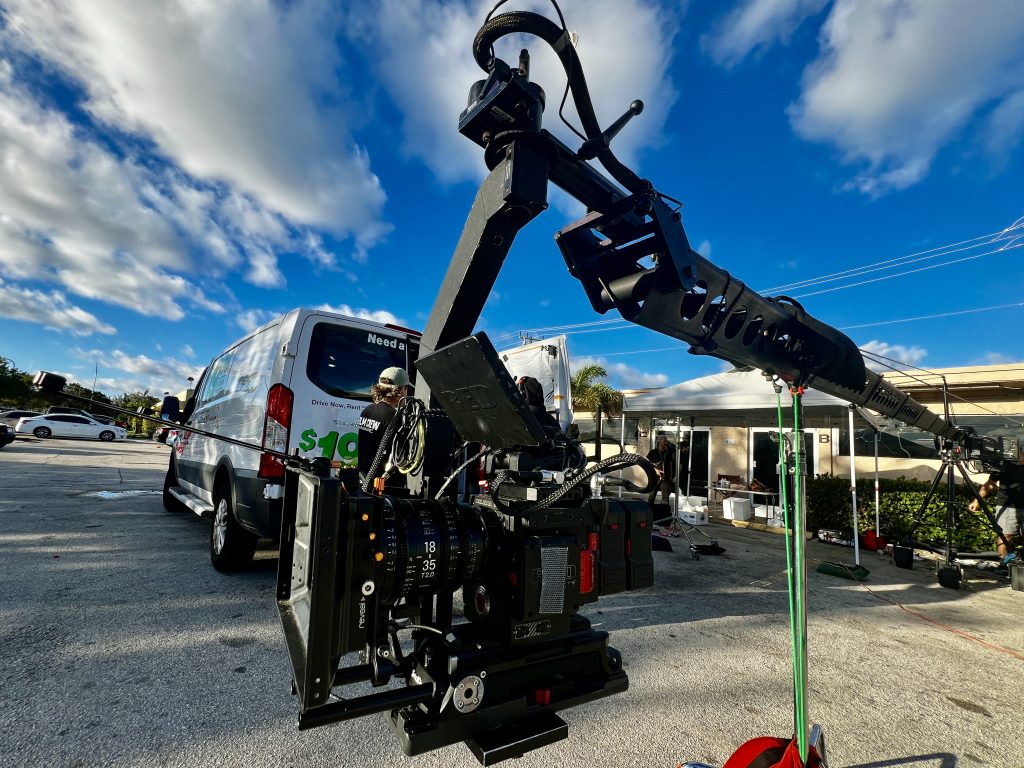
In 2026, many documentaries incorporate advanced stabilization systems and high-resolution capture formats. While equipment rental fees vary by location, professional gear packages can range from $1,500 to $5,000 per day depending on complexity.
Investing in quality equipment ensures long-term value, especially if the documentary will be distributed on streaming platforms.
Production Crew and Labor Expenses
People are the driving force behind every documentary — and labor costs typically represent one of the largest portions of the overall budget.
Even small documentary teams usually include a director, cinematographer, and sound recordist. Larger productions expand to include producers, assistant camera operators, lighting technicians, data managers, production coordinators, and field producers.
Unlike scripted productions, documentary schedules are rarely predictable. Real-world events unfold on their own timelines. Filmmakers may need to capture unfolding developments over months or years, significantly increasing labor costs.
On-camera talent may also impact budgets. While many documentaries rely on voluntary participation, expert contributors, professional narrators, or presenters may require compensation. Projects involving high-profile subjects can experience substantial budget increases.
Insurance is another essential production expense. Coverage typically includes equipment protection, general liability, travel coverage, and sometimes errors and omissions insurance required for distribution.
Depending on scale and timeline, production labor costs in 2026 generally range between $25,000 and $500,000 or more.
Travel, Locations, and Field Logistics
Documentaries often require filming in real environments rather than controlled studio settings. This adds authenticity but also introduces complex logistical costs.
Travel expenses can include airfare, ground transportation, accommodations, and daily crew expenses. International filming may involve visas, customs documentation, and local coordination support.
Permits and location fees vary widely depending on the region and type of location. Public filming in urban areas often requires regulatory approval, insurance documentation, and scheduling coordination.
Some productions require local specialists, translators, cultural advisors, or field fixers to navigate regional logistics. These professionals are essential for smooth operations in unfamiliar environments.
Environmental challenges can also affect budgets. Extreme weather, remote locations, or sensitive filming conditions may require specialized gear or safety personnel.
Travel and field production expenses typically fall between $15,000 and $250,000 or more, depending on geographic scope.
Post-Production Costs: Shaping the Narrative
Post-production is where raw footage transforms into a finished documentary. This phase often requires the longest sustained investment of time and creative expertise.
Editing is usually the largest single expense. Documentary editors work through large volumes of footage to build narrative structure, emotional pacing, and thematic clarity. Complex productions may require multiple editors or extended editing schedules lasting several months.
Sound design is critical for immersion and clarity. Dialogue cleanup, ambient sound layering, and professional audio mixing ensure broadcast-quality output.
Color grading provides visual consistency across different cameras, lighting conditions, and filming environments. Professional color work is now expected for streaming and theatrical release.
Music also plays a powerful storytelling role. Productions may license existing tracks or commission original compositions to enhance emotional impact.
Post-production budgets typically range from $30,000 to over $300,000, depending on complexity and runtime.

Distribution and Marketing Expenses
Completing the documentary is only part of the journey. Reaching audiences requires a strategic distribution and marketing plan.
Film festival submissions, promotional screenings, and press outreach require dedicated funding. Marketing campaigns often include trailer production, digital advertising, social media strategy, and public relations management.
Many filmmakers underestimate distribution costs. However, without visibility, even the most compelling documentary may struggle to reach viewers.
Common distribution-related expenses include:
- Festival submission and screening fees
- Public relations and media outreach
- Digital marketing campaigns
- Promotional materials and trailer production
Distribution and marketing budgets in 2026 commonly range from $10,000 to $150,000 or more, depending on release scale.
Total Documentary Production Cost Ranges in 2026
When all phases are combined, documentary budgets vary dramatically depending on scope, quality goals, and distribution strategy.
Here is a general overview of total cost tiers:
- Micro-budget documentaries: $20,000 – $75,000
- Independent professional productions: $75,000 – $300,000
- Broadcast or streaming documentaries: $300,000 – $1 million+
- Large-scale feature documentaries: $1 million – $5 million+
The key driver of cost is not simply length, but complexity including travel, research depth, technical demands, and production duration.
Cost-Saving Strategies for Documentary Filmmakers
Smart planning can significantly reduce expenses without compromising quality. At Global Filmz Studios, we encourage filmmakers to prioritize efficiency from the beginning.
One effective strategy is investing more time in pre-production planning. Strong research, scheduling, and narrative clarity reduce unnecessary filming and editing costs.
Another approach is scaling crew size to match production needs. Many modern documentaries operate successfully with small, highly skilled teams.
Technology can also help reduce expenses. Lightweight camera systems, remote collaboration tools, and efficient digital workflows streamline production and post-production processes.
Strategic partnerships including co-production agreements and grant funding can also offset financial pressure.
Emerging Budget Trends in Documentary Production for 2026
The documentary industry continues to evolve rapidly. Several trends are shaping production costs this year.
Remote production workflows are becoming more common, allowing editors, producers, and researchers to collaborate across locations. This reduces travel and facility expenses.
Higher technical standards are also influencing budgets. Streaming distribution often requires 4K or higher resolution, professional sound mixing, and cinematic color grading.
Audience expectations for visual storytelling continue to grow. Even observational documentaries now compete with highly polished productions.
Additionally, many filmmakers are allocating more budget toward marketing from the beginning, recognizing that visibility is essential for success.
Why Professional Budget Planning Matters
A documentary budget is more than a list of expenses — it is a strategic roadmap that supports creative goals. Underestimating costs can disrupt production timelines, reduce quality, or prevent successful distribution.
Professional budgeting helps filmmakers:
- Secure accurate funding
- Allocate resources efficiently
- Manage production risks
- Maintain creative flexibility
At Global Filmz Studios, we believe that financial clarity empowers creative storytelling.

Understanding the True Investment of Documentary Filmmaking
Documentary filmmaking in 2026 is both more accessible and more demanding than ever before. While technology has lowered some barriers, professional standards and audience expectations continue to rise.
From research and filming to editing and distribution, every stage requires careful planning and financial commitment. Understanding the full budget structure allows filmmakers to make informed decisions, avoid costly surprises, and bring meaningful stories to life.
At Global Filmz Studios, we view documentary production not simply as an expense but as an investment in powerful storytelling, cultural impact, and long-term audience engagement.
Whether you’re producing a short independent film or a global feature documentary, strategic budgeting is the foundation of success.
And when the financial plan is strong, the story has the freedom to truly shine.
FAQs on Documentary Film Production Costs: Budget Breakdown for 2026
Understanding documentary production costs can feel overwhelming especially in today’s rapidly evolving media landscape. Filmmakers, brands, and content creators often have dozens of questions about budgeting, planning, and financial expectations before starting a project.
At Global Filmz Studios, we regularly guide clients through the financial realities of documentary filmmaking. From early concept development to final distribution, every stage requires thoughtful investment and strategic decision-making.
This FAQ-style guide answers the most common questions about documentary production costs in 2026 helping you understand what drives expenses, how budgets are structured, and how to plan with confidence.

What determines the overall cost of producing a documentary?
The total cost of a documentary is shaped by multiple factors rather than a single expense category. Unlike scripted productions, documentaries often involve unpredictable real-world conditions that influence both timeline and budget.
Key variables include production scale, filming locations, technical requirements, research depth, crew size, and distribution goals. A documentary that follows a single subject locally will naturally require fewer resources than one that spans multiple countries, involves extensive archival research, or tracks events over a long period of time.
Creative vision also plays a major role. Cinematic visuals, advanced sound design, and complex storytelling structures require more time and specialized talent. The more ambitious the creative execution, the more resources must be allocated.
Ultimately, documentary production costs are driven by scope, complexity, and duration rather than simply runtime.
Read More
Pre-production is the planning phase that determines how efficiently a documentary will be produced. Strong preparation helps prevent wasted time, unnecessary travel, and costly reshoots. During this stage, filmmakers conduct research, confirm locations, schedule interviews, secure permissions, and map out the narrative direction. Every decision made here affects the financial efficiency of production and post-production. When planning is rushed or incomplete, productions often encounter unexpected obstacles. Delays, logistical complications, and missing footage can significantly increase overall spending. In contrast, thorough preparation creates clarity. The crew knows what to capture, where to be, and how to adapt if conditions change. This reduces risk and helps maintain financial control throughout the project. Yes, filming style has a direct impact on production costs. Observational documentaries that follow real-life events as they unfold often require extended shooting schedules. This can increase labor, travel, and equipment usage over time. Interview-driven documentaries may appear simpler, but they still involve location setup, lighting design, and controlled sound recording. If interviews take place across multiple regions, logistical expenses increase significantly. Highly cinematic documentaries that use advanced camera techniques, aerial footage, or stylized visual storytelling require additional technical expertise and equipment planning. Even minimalistic documentaries require professional execution. The difference lies not in whether resources are needed, but in how extensively they are used. Real life rarely unfolds on a predictable schedule and documentaries capture reality as it happens. Filmmakers may need to wait for events to develop, revisit subjects multiple times, or adapt to changing circumstances. Weather, travel disruptions, scheduling conflicts, and access restrictions can all affect timelines. Longer timelines increase costs because crew members, equipment, and logistical support remain engaged for extended periods. Additionally, more footage means more material to organize and edit later. Flexibility is essential in documentary filmmaking, but flexibility also requires financial planning. Human expertise is one of the most significant investments in documentary filmmaking. Skilled professionals ensure visual quality, clear sound, structured storytelling, and smooth logistics. Even small teams require specialized knowledge to operate equipment, manage data, coordinate schedules, and maintain production continuity. Crew expenses often extend beyond filming days. Planning meetings, travel time, preparation work, and post-production collaboration all contribute to the total investment in personnel. The experience level of the crew also influences costs. Highly experienced professionals often work more efficiently, which can ultimately support long-term budget control. Post-production is where the documentary truly takes shape. Raw footage becomes a coherent narrative through editing, sound design, color correction, and music integration. Documentaries often involve large volumes of footage. Editors must review, organize, and structure this material into a compelling story. This process requires both time and creative expertise. Sound design enhances clarity and emotional impact. Audio must be balanced, cleaned, and layered to create an immersive viewing experience. Color grading ensures visual consistency across different filming conditions. Without this step, footage captured in varied environments can feel disconnected. Music also plays a powerful storytelling role. Whether licensed or original, music requires careful selection and integration. Because post-production is both time-intensive and technically specialized, it represents one of the most resource-heavy stages of documentary filmmaking. Yes, filming in real environments introduces complex logistical considerations. Travel planning includes transportation, accommodations, equipment handling, and scheduling coordination. Remote or international locations often require additional preparation, including permits, documentation, and local support personnel. Environmental conditions may also require specialized equipment or safety measures. Urban filming may involve regulatory approvals, while remote filming may require infrastructure support. Every location adds both storytelling value and logistical complexity. Effective planning helps balance authenticity with financial sustainability. Research is often one of the most underestimated components of documentary filmmaking. Many projects require historical context, fact verification, expert consultation, and access to archival materials. Investigative documentaries may involve extensive information gathering over long periods of time. Research also supports narrative clarity. Understanding the subject deeply helps filmmakers capture meaningful footage rather than filming excessive material that may not be used. Well-funded research reduces uncertainty and strengthens storytelling — making it a critical investment rather than an optional step. A completed documentary does not automatically reach audiences. Distribution requires its own strategy and financial planning. Promotional materials, screening arrangements, audience outreach, and visibility campaigns all require resources. Without a clear distribution plan, even high-quality documentaries may struggle to gain attention. Modern audiences discover content through multiple channels. Marketing strategies must align with the intended audience and platform. Budgeting for distribution from the beginning ensures the film has a pathway to viewers once production is complete. Yes ,cost control is possible when planning is strategic and priorities are clear. The most effective approach is aligning creative goals with available resources. Efficient scheduling, focused storytelling, and experienced crew members all help maintain quality while managing expenses. Some of the most effective cost-control practices include: Cost control is not about cutting corners it is about directing resources where they create the most impact. Documentary filmmaking continues to evolve alongside technology and distribution trends. Technical standards have increased as audiences expect high-resolution visuals and professional sound quality. Streaming platforms and digital viewing environments have raised expectations for production value. At the same time, production tools have become more portable and flexible. Smaller teams can now achieve results that once required large crews and complex infrastructure. Remote collaboration has also changed how projects are managed. Editors, producers, and researchers can work together from different locations, reducing some logistical expenses. The overall trend is clear: filmmaking is more accessible, but professional expectations are higher than ever. No two documentaries are exactly alike. Each project has unique subject matter, geographic scope, and storytelling approach. Some documentaries unfold in controlled environments with predictable schedules. Others require extended observation, international travel, or sensitive access negotiations. The duration of filming also varies greatly. Some projects capture a defined event, while others follow long-term developments. Budget variation reflects the diversity of documentary storytelling itself. Financial planning must always be tailored to the specific vision and production requirements. One of the most common mistakes is underestimating time. Filmmakers often focus on equipment or travel costs while overlooking how extended timelines affect labor, editing, and logistical coordination. Another frequent challenge is insufficient pre-production planning. When research or scheduling is incomplete, productions may capture unnecessary footage or miss critical moments, increasing editing time and production repetition. Realistic scheduling and detailed planning are essential for financial stability. Preparation begins with clarity. Filmmakers should define the story, production scope, and distribution goals before estimating expenses. It is also important to anticipate unexpected developments. Documentary production involves real people, real environments, and real events all of which can change. Building flexibility into the budget helps protect both the creative process and financial stability. Professional budgeting guidance can also help identify cost drivers that may not be immediately obvious. Documentaries are powerful storytelling tools that can educate, inspire, and influence audiences. When produced professionally, they can reach global viewers, support brand authority, and create lasting cultural impact. Investing in quality production enhances credibility, audience engagement, and distribution potential. A well-produced documentary remains valuable long after release, continuing to generate awareness and engagement over time. Financial planning is not just about controlling costs it is about maximizing impact. Documentary filmmaking in 2026 is both creatively rewarding and financially complex. Every phase from research to distribution requires careful planning and strategic investment. Understanding how budgets are structured helps filmmakers make informed decisions, align resources with creative goals, and navigate production with confidence. At Global Filmz Studios, we believe that strong financial planning supports powerful storytelling. When budgets are realistic and well-managed, filmmakers gain the freedom to focus on what truly matters capturing authentic stories that resonate with audiences.Why is pre-production so important for managing costs?
Do documentary costs vary depending on filming style?
Why does documentary production often take longer than expected?
How much of the budget typically goes toward the production crew?
Why is post-production such a major expense?
Do travel and location logistics significantly affect budgets?
What role does research play in documentary production costs?
Why is distribution planning important when budgeting?
 Can documentary filmmakers control costs without reducing quality?
 How have documentary production costs evolved in recent years?
Why do documentary budgets vary so widely from project to project?
 What is the biggest budgeting mistake documentary filmmakers make?
How can filmmakers prepare financially before starting a documentary?
What is the long-term value of investing in professional documentary production?
Final Thoughts: Understanding Documentary Production Costs in 2026
Recent Comments