

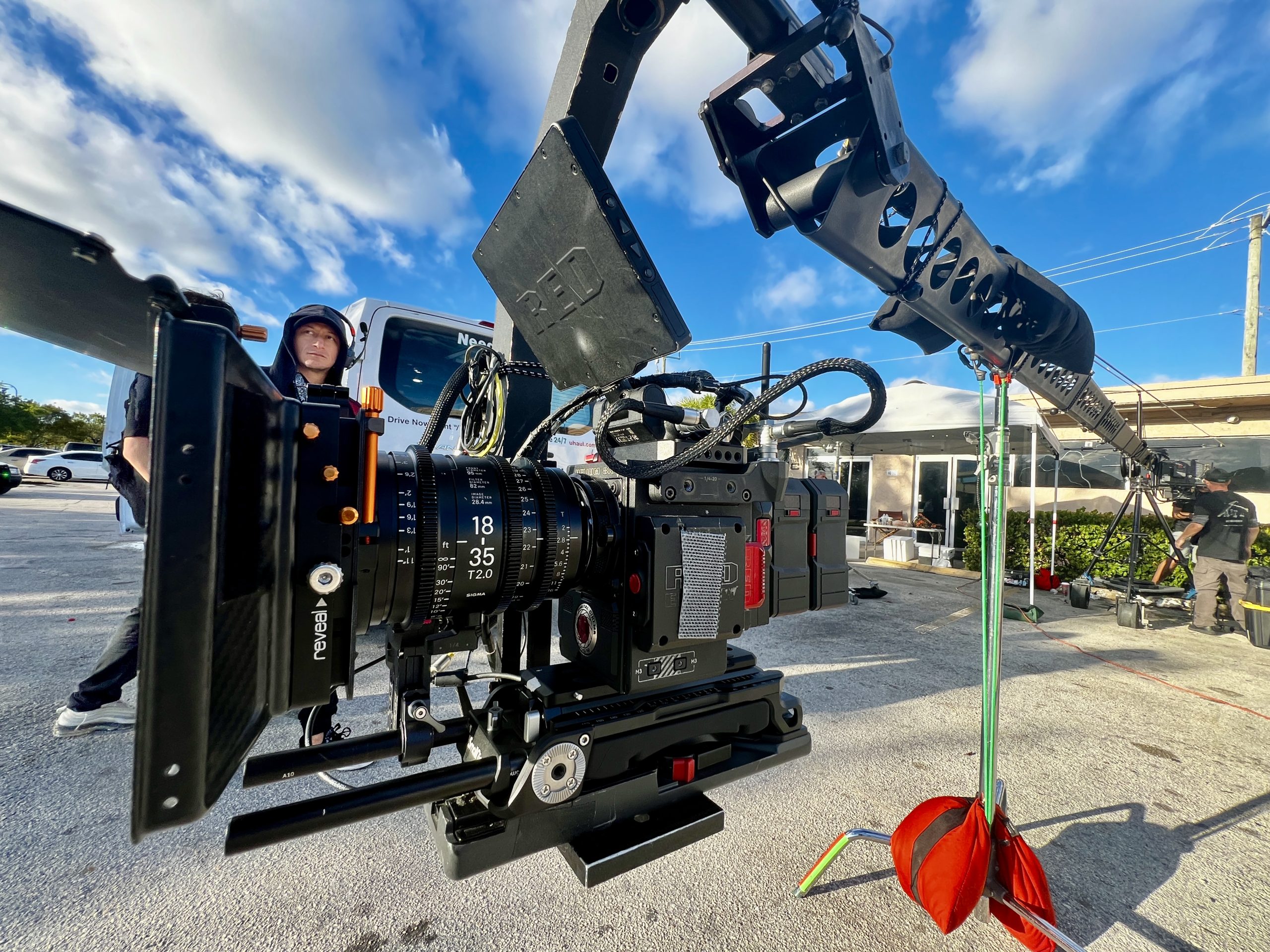
Creating a documentary is a journey one that transforms an idea into a powerful visual story capable of informing, inspiring, and connecting audiences. While every project is unique, the path from initial concept to finished screen release follows a carefully structured process designed to support both creativity and precision.
At Global Filmz Studios, documentary production is more than filming real-life events. It is a strategic, collaborative process that blends storytelling, research, technical execution, and narrative design into one cohesive vision.
In this guide, we take you behind the scenes of our documentary production process showing how we move from the earliest spark of an idea to a polished film ready for audiences.
Understanding the Vision: Where Every Documentary Begins
Every documentary starts with a story that matters. Before cameras, equipment, or schedules are discussed, the most important step is defining the purpose of the film.
We begin by identifying the core message. What should audiences learn, feel, or understand by the end of the documentary? Whether the subject is social, cultural, historical, educational, or personal, clarity of intention guides every creative decision that follows.
This stage involves deep conversations with creators, stakeholders, and subject experts. We explore themes, narrative angles, emotional tone, and audience expectations. The goal is not simply to gather information, but to discover the most compelling way to tell the story.
A strong documentary vision acts as a compass keeping the production focused even when real-world conditions change.
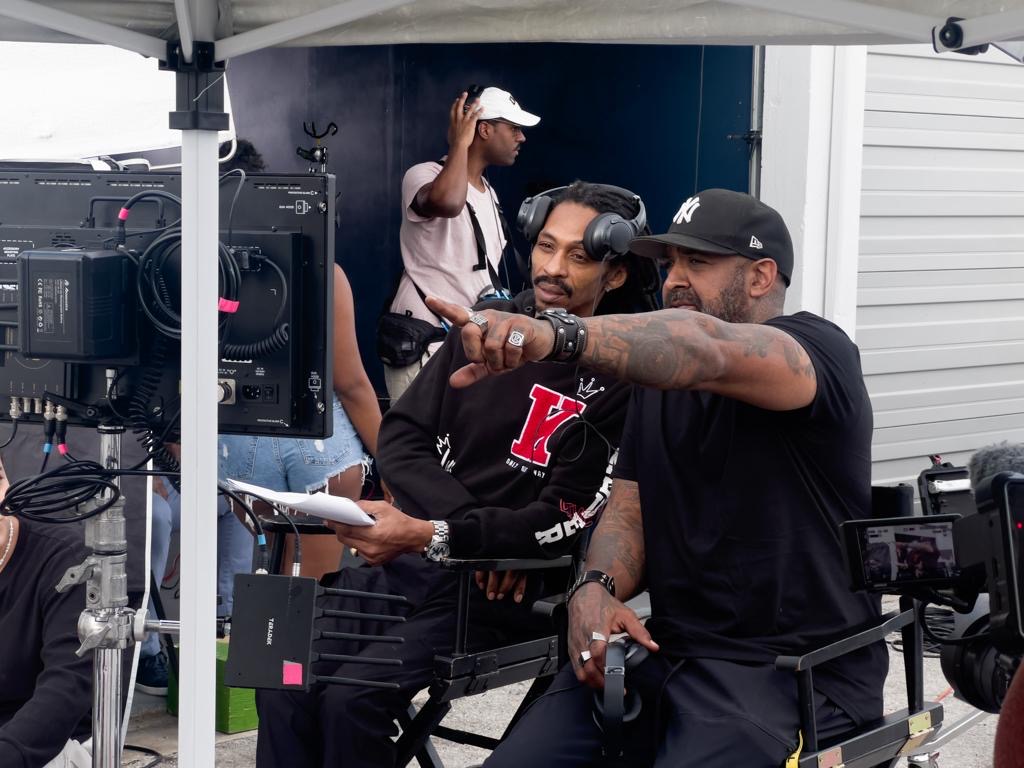
Research and Story Development
Once the concept is defined, research becomes the foundation of storytelling. Documentary filmmaking depends on truth, context, and accuracy. Without thorough research, even visually stunning footage can lack depth and meaning.
During this stage, we gather background information, verify facts, and identify key individuals who may contribute to the narrative. Interviews are planned, timelines are mapped, and historical or contextual materials are reviewed.
Story development also begins here. Unlike scripted films, documentaries often evolve as new information emerges. Rather than forcing a rigid structure, we design a flexible narrative framework that can adapt to discoveries made during filming.
This balance between preparation and openness is essential. It allows the documentary to remain authentic while still maintaining clear storytelling direction.
Pre-Production Planning and Creative Strategy
Pre-production is where ideas become actionable plans. This stage ensures that the creative vision can be executed efficiently in the real world.
Scheduling is one of the most important components. Filming dates, interview availability, location access, and logistical coordination must all align. Documentary production often depends on real people and real environments, so flexibility is built into every schedule.
Location planning is another critical element. Each environment must support the story visually and practically. Lighting conditions, sound quality, accessibility, and filming permissions are all considered.
We also define the visual approach of the documentary. Some stories benefit from observational filming that captures natural moments as they unfold. Others rely on structured interviews, cinematic framing, or immersive environmental visuals. Establishing this visual language early ensures consistency throughout the production.
By the end of pre-production, the entire team understands what needs to be captured, how it will be captured, and why each element matters.
Building the Production Team
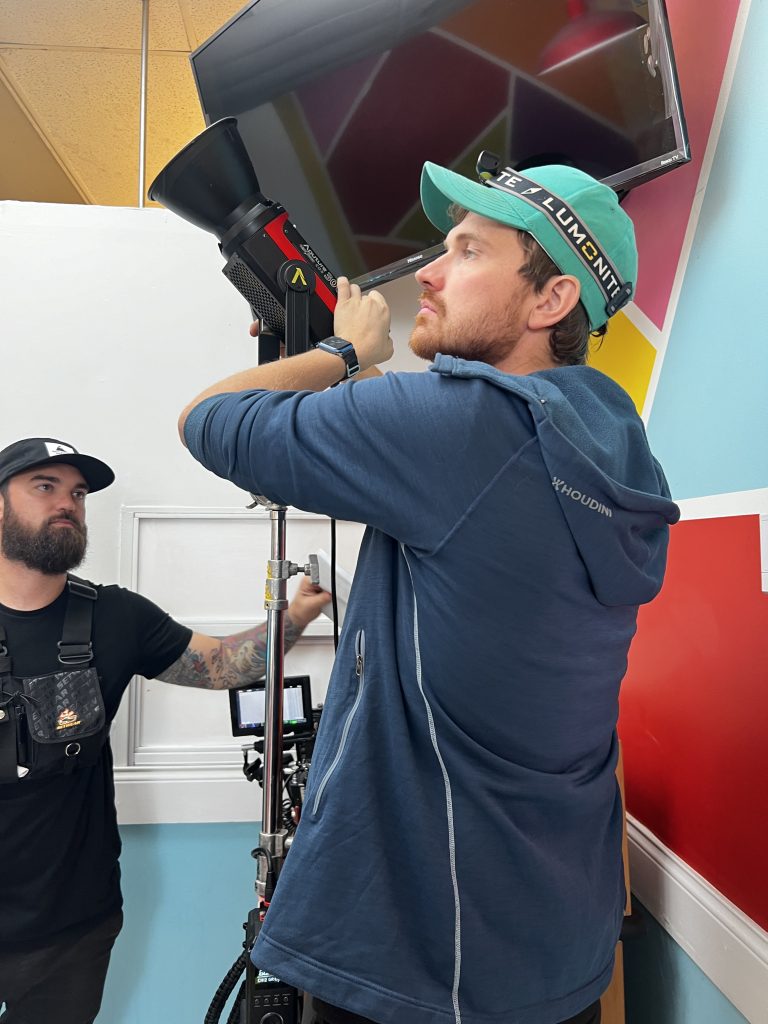
Documentary filmmaking is a collaborative effort. Every member of the production team contributes specialized expertise that supports storytelling and technical quality.
Team structure depends on the scope and complexity of the project. Some documentaries require small, agile crews capable of moving quickly and capturing spontaneous moments. Others involve larger teams coordinating multiple filming environments or extended timelines.
Each role is carefully defined to ensure smooth communication and workflow. Clear responsibilities help the production operate efficiently even when conditions are unpredictable.
A well-structured team allows creative decisions to be executed with precision while maintaining the flexibility that documentary filmmaking demands.

Filming in Real Environments
Production is the phase most people associate with documentary filmmaking the moment when cameras begin capturing real life.
Filming documentaries requires adaptability. Unlike controlled studio productions, real-world environments introduce variables that cannot always be predicted. Weather changes, schedules shift, and events unfold in unexpected ways.
Our approach is designed to remain responsive without losing focus. The production team captures planned interviews and scenes while remaining alert to spontaneous moments that reveal authenticity and emotional depth.
Visual storytelling is carefully considered during filming. Camera movement, framing, and composition all shape how audiences experience the story. Even in unscripted environments, intentional cinematography enhances narrative clarity.
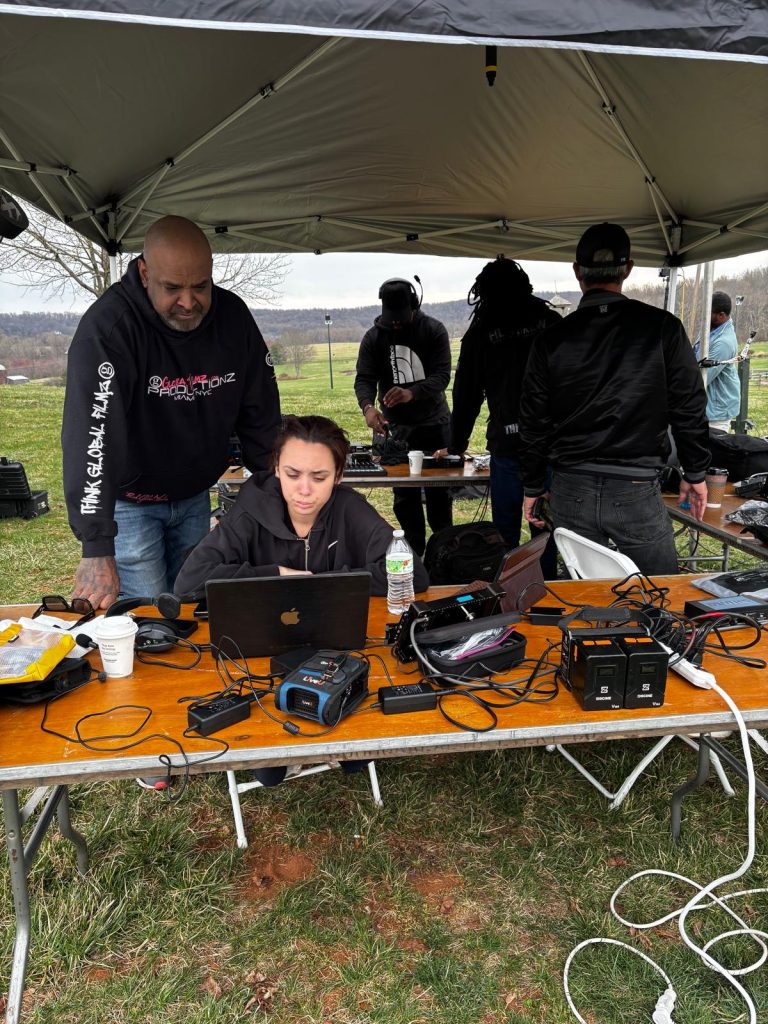
Sound recording is equally important. Natural dialogue, environmental audio, and ambient atmosphere help viewers feel present within each moment.
Filming is not simply about collecting footage it is about capturing meaningful experiences that will later form the emotional backbone of the documentary.
Managing Documentary Footage and Data
Documentary production often generates large volumes of footage across multiple locations and time periods. Organizing and protecting this material is essential.
Every recorded segment is logged, categorized, and securely stored. Proper data management ensures that important moments are never lost and can be efficiently located during editing.
This organizational process also supports storytelling. By reviewing footage continuously, the creative team begins identifying patterns, themes, and narrative connections that may shape the final structure of the film.
Effective footage management allows the documentary to evolve naturally while maintaining clarity and control.
Shaping the Narrative Through Editing
Editing is where the documentary truly takes form. Hundreds of captured moments are carefully selected, arranged, and refined to create a coherent and emotionally engaging story.
Unlike scripted productions, documentaries often reveal their final structure during the editing process. The narrative emerges as footage is reviewed, compared, and assembled.
Editors focus on pacing, thematic development, and emotional progression. Each scene must contribute meaningfully to the overall story. Transitions guide viewers smoothly between moments, while visual rhythm maintains engagement.
This stage is both technical and creative. It requires storytelling insight, patience, and the ability to recognize which moments carry the strongest impact.
Editing transforms real-life recordings into a cinematic narrative that resonates with audiences.
Enhancing the Film Through Sound and Visual Refinement
After the narrative structure is established, the documentary enters a phase of refinement that enhances immersion and clarity.
Sound design ensures that dialogue is clear, balanced, and emotionally effective. Environmental audio is layered to create depth, allowing viewers to feel connected to each setting.
Visual refinement ensures consistency across different filming conditions. Color adjustments unify scenes captured in varied lighting environments, creating a cohesive visual experience.
Music may also be integrated to support emotional tone and narrative momentum. Carefully chosen sound elements help guide audience perception without overwhelming authenticity.
These refinements elevate the documentary from a sequence of events into a fully realized cinematic experience.
Preparing the Documentary for Release
Completion of editing and refinement marks the transition from production to presentation. The documentary is prepared for viewing across intended platforms and audiences.
This preparation involves final technical formatting, quality review, and presentation planning. Every detail is checked to ensure the film meets professional standards and communicates its story clearly.
Audience experience becomes the central focus. The documentary must be accessible, engaging, and impactful from the first frame to the last.
Distribution and Audience Engagement Strategy
A documentary reaches its full purpose only when audiences experience it. Distribution planning ensures the film connects with viewers in meaningful ways.
We design release strategies that align with the story’s purpose and intended audience. Promotional materials, audience outreach, and engagement planning all support visibility and impact.
Effective distribution is not simply about availability it is about connection. A well-planned release helps the documentary spark conversation, awareness, and lasting engagement.
The Importance of Collaboration Throughout the Process
Documentary production is built on collaboration. Creators, participants, researchers, technicians, and storytellers all contribute perspectives that shape the final film.
Open communication ensures that the project remains aligned with its original vision while adapting to new discoveries. Feedback loops allow creative refinement at every stage.
Successful documentaries are not created in isolation. They emerge through shared effort, insight, and commitment to storytelling excellence.
Core Principles That Guide Our Documentary Production Process
While each documentary is unique, several guiding principles remain constant in our approach:
- Commitment to authentic storytelling
- Strategic planning balanced with creative flexibility
- Technical precision in every production phase
- Collaborative teamwork from concept to release
These principles ensure that every project reflects both artistic integrity and professional execution.
Why a Structured Production Process Matters
Documentaries capture real life but producing them requires structure. Without a clear process, even compelling stories can become fragmented or incomplete.
A defined production framework provides direction while allowing room for discovery. It ensures that creative inspiration is supported by logistical planning and technical expertise.
Structure also protects the story. It helps maintain focus, clarity, and narrative cohesion from beginning to end.
From Idea to Impact: The Complete Documentary Journey
The path from concept to screen is both challenging and rewarding. It requires vision, preparation, adaptability, and dedication to storytelling truth.
Every stage from research and filming to editing and release contributes to the documentary’s ability to inform, inspire, and connect with audiences.
At Global Filmz Studios, we view documentary production as a continuous journey of discovery. Each project reveals new perspectives, new voices, and new ways to share meaningful stories with the world.
And when the process is carefully guided from beginning to end, the result is more than a film.
It is an experience that brings reality to the screen and leaves a lasting impression long after viewing ends.
Q&A on From Concept to Screen: Our Documentary Production Process
Documentary filmmaking is a creative journey shaped by planning, adaptability, and purposeful storytelling. Many people are familiar with the final product the finished film but far fewer understand the detailed process that transforms an idea into a powerful visual narrative.
At Global Filmz Studios, our documentary production process is designed to guide each project from early concept through filming, editing, and final release with clarity and precision. Every stage plays an essential role in ensuring the story is authentic, engaging, and professionally executed.
In this Q&A guide, we answer the most frequently asked questions about how our documentary production process works from the earliest stages of development to the moment the film reaches its audience.
What does “concept to screen” really mean in documentary production?
“Concept to screen” describes the complete lifecycle of a documentary film. It begins with an initial idea or story and continues through research, planning, filming, editing, refinement, and release.
Rather than treating each stage as separate, the concept-to-screen approach views documentary production as one continuous process. Every decision from early research to final sound design supports the same storytelling vision.
This structured approach ensures that the original purpose of the documentary remains clear from beginning to end, even as real-life events shape the story along the way.
How does the documentary production process begin?
Every documentary begins with understanding the story’s purpose. Before any filming takes place, we explore what the film is meant to communicate and why the subject matters.
This stage involves conversations, creative exploration, and thematic development. We examine the emotional tone, narrative direction, and intended audience experience. The goal is to identify the central message that will guide every production decision.
Starting with a clear vision prevents confusion later and allows the entire team to work toward the same storytelling objective.
Read More
Story development provides structure and direction. Without it, filming can become unfocused, resulting in large amounts of footage that may not support a cohesive narrative. During development, we identify key themes, potential story arcs, and important voices that should be included. This helps shape interview questions, filming priorities, and visual approach. Documentaries are naturally flexible because they capture real life. However, flexibility works best when guided by a strong narrative framework. Story development ensures the production remains intentional rather than reactive. Research plays a foundational role in every documentary. It provides context, accuracy, and depth allowing the film to present meaningful insights rather than surface-level observations. Research may involve reviewing historical information, understanding social or cultural backgrounds, and identifying individuals who can contribute valuable perspectives. It also helps clarify timelines and verify facts that shape the narrative. Thorough research strengthens storytelling by ensuring that filming focuses on what truly matters. It also allows filmmakers to ask informed questions and capture more insightful responses during interviews. Pre-production transforms ideas into a practical plan for filming. This stage organizes the creative vision into schedules, locations, and production strategies. Filming environments are evaluated for visual quality, accessibility, and sound conditions. Interview schedules are coordinated. Equipment needs are defined. Production timelines are designed to allow flexibility while maintaining efficiency. Pre-production also establishes the documentary’s visual style. Decisions about camera movement, framing, and overall aesthetic direction are made before filming begins. This planning stage ensures that when production starts, every action supports the story’s purpose. The production team is built around the specific needs of the documentary. Different projects require different skill sets depending on scale, location, and storytelling approach. Some documentaries benefit from small, mobile teams capable of capturing spontaneous moments. Others require larger crews to manage complex logistics or multiple filming environments. Each role within the team contributes to both creative and technical success. Clear responsibilities help maintain organization and allow the production to adapt smoothly to changing conditions. A well-coordinated team supports efficiency, consistency, and storytelling quality throughout the process. Documentary filming focuses on capturing real life rather than staging events. This creates both creative opportunities and logistical challenges. Real environments are unpredictable. Weather changes, schedules shift, and unscripted moments occur without warning. Filmmakers must remain alert and adaptable while maintaining narrative focus. Instead of directing performances, documentary crews observe, listen, and respond. The goal is to capture genuine experiences while shaping visual storytelling through thoughtful cinematography and sound recording. This balance between observation and intention defines documentary production. Authenticity is preserved by allowing real events to unfold naturally. Structure is maintained by understanding what types of moments support the story. Filmmakers prepare by identifying themes and narrative goals, but they remain open to unexpected developments. When meaningful moments occur, they are captured without interruption. This approach allows the documentary to remain truthful while still building a coherent narrative. Preparation creates direction, and observation provides authenticity. Documentary productions often generate large amounts of recorded material across different locations and time periods. Without proper organization, valuable moments can be difficult to locate or may be overlooked entirely. Footage is carefully cataloged, labeled, and reviewed throughout production. This helps editors understand how scenes connect and ensures important details remain accessible. Organization also supports creative decision-making. As footage is reviewed, emerging themes and narrative patterns become clearer, guiding the structure of the final film. Editing is where the documentary’s story is fully realized. Recorded moments are selected, arranged, and refined to create narrative flow and emotional progression. Unlike scripted productions, documentaries often discover their final structure during editing. The story evolves as footage is analyzed and connections are identified. Editors focus on pacing, clarity, and thematic development. Scenes are arranged to guide viewers through the story logically and emotionally. Editing transforms real-life recordings into a cinematic experience with meaning and direction. Once the narrative structure is complete, the documentary enters a stage of technical and artistic enhancement. Sound design ensures dialogue is clear and environmental audio is balanced. Carefully crafted sound helps viewers feel immersed in each scene. Visual refinement ensures consistency across different filming conditions. Adjustments unify color, contrast, and visual tone, creating a cohesive viewing experience. Music and ambient sound may be added to support emotional engagement and narrative flow. These elements enhance storytelling while preserving authenticity. Preparing a documentary for release involves final quality review and presentation planning. Every technical element is checked to ensure clarity, consistency, and professional standards. This stage also considers how audiences will experience the film. The viewing format, pacing, and presentation must align with the intended distribution environment. Preparation ensures the documentary is ready to communicate its story effectively when it reaches viewers. Distribution is not an afterthought it is an integral part of documentary production. Understanding how and where the film will be viewed helps guide creative and technical decisions from the beginning. Audience engagement strategies, promotional planning, and presentation formats are all considered before release. This ensures the documentary reaches the people it is meant to impact. Effective distribution transforms a completed film into a shared experience. While every documentary is unique, certain principles remain central to our process: These principles ensure that each project remains focused, adaptable, and meaningful from start to finish. Documentary filmmaking is a collaborative process involving creators, participants, researchers, and technical professionals. Each perspective contributes to the film’s depth and accuracy. Collaboration encourages creative problem-solving and ensures that different aspects of production remain aligned with the overall vision. Open communication allows the project to evolve naturally while maintaining clarity and purpose. A structured process provides direction in an environment that is often unpredictable. Real-life events cannot be controlled, but production methods can be organized. Structure ensures that storytelling remains coherent even when filming conditions change. It supports efficiency, protects the narrative, and maintains professional quality throughout the project. Without structure, important moments may be missed and the story may lack clarity. The concept-to-screen journey represents transformation turning an idea into a story that audiences can experience and understand. Each stage builds upon the last. Research deepens understanding. Filming captures reality. Editing shapes narrative. Refinement enhances emotion. Distribution connects the story with viewers. The process itself becomes part of the storytelling journey. Documentary filmmaking is both creative and methodical. It requires vision, preparation, adaptability, and collaboration at every stage. At Global Filmz Studios, our concept-to-screen process ensures that every documentary is developed with purpose, crafted with precision, and delivered with impact. From the earliest idea to the final viewing experience, each step supports authentic storytelling and meaningful audience connection. Understanding this process reveals what truly brings documentaries to life not just the events captured on camera, but the careful planning and creative dedication behind every frame.Why is story development so important before filming starts?
 How much research is involved in documentary production?
What happens during the pre-production phase?
 How is the production team assembled?
What makes filming a documentary different from filming scripted content?
 How do filmmakers capture authentic moments while maintaining structure?
Why is footage organization such an important step?
How does the editing process shape the documentary?
What role do sound and visual refinement play after editing?
How is the documentary prepared for release?
Why is distribution planning part of the production process?
What are the most important principles guiding documentary production?
How does collaboration influence the final documentary?
Why is a structured production process essential for documentary filmmaking?
What makes the concept-to-screen journey meaningful?
Final Thoughts: Understanding Our Documentary Production Process
Recent Comments