

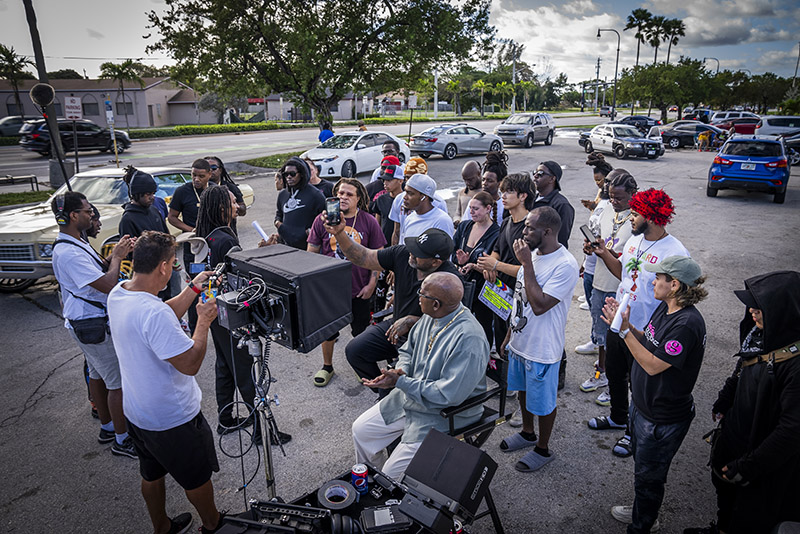
Documentary filmmaking is one of the most powerful ways an organization can communicate its story, values, culture, and impact. Unlike traditional promotional content, documentaries provide depth, authenticity, and emotional connection. They allow audiences to experience real people, real journeys, and real meaning behind what an organization does.
However, not all documentaries are created in the same way. Different documentary styles serve different storytelling purposes, emotional tones, and audience expectations. Choosing the right documentary style is not simply a creative decision it is a strategic one that shapes how your story is understood, felt, and remembered.
At Global Filmz Studios, we work closely with organizations to identify the documentary style that best aligns with their goals, message, and audience. In this guide, we explore how to select the right documentary style for your organization and why that choice plays such an important role in storytelling success.
Understanding What Documentary Style Really Means
Documentary style refers to the creative and narrative approach used to tell a real story. It influences how information is presented, how subjects are portrayed, and how audiences emotionally engage with the content.
Style determines whether the film feels observational or guided, intimate or expansive, reflective or fast-paced. It shapes the structure of interviews, the use of narration, the role of visuals, and the overall viewing experience.
Choosing a documentary style is similar to choosing a voice for your story. It determines how audiences interpret meaning and connect with what they see.
When organizations understand the purpose behind their story, selecting the appropriate style becomes much clearer.
Why Documentary Style Matters for Organizational Storytelling
Organizations often focus on what they want to communicate their mission, history, impact, or culture. But how that story is presented can be just as important as the content itself.
The wrong style can make a meaningful story feel distant or unclear. The right style can transform information into an immersive emotional experience.
Documentary style affects:
- Audience engagement and attention
- Emotional tone and perception
- Narrative clarity and structure
- Credibility and authenticity
- Long-term impact of the story
When style and story align, the result feels natural and compelling. When they do not align, even strong content can lose its effectiveness.
Start by Defining Your Organization’s Core Story
Before choosing a documentary style, it is essential to understand the nature of the story you want to tell.
Every organization has multiple possible narratives. Some stories focus on people. Others focus on transformation, innovation, heritage, or community impact. Some stories are deeply emotional, while others are informational or reflective.
Ask yourself what sits at the heart of your message. Are you documenting a journey? Preserving history? Exploring a challenge? Highlighting culture? Demonstrating change over time?
The clearer your core story, the easier it becomes to identify the storytelling style that supports it.
Consider the Emotional Experience You Want to Create
Documentaries are not just informational they are experiential. They shape how viewers feel while watching.
Some documentary styles create intimacy, placing viewers close to real moments as they unfold. Others create perspective, guiding audiences through ideas and context. Some invite reflection, while others generate momentum and energy.
Understanding the emotional response you want to create is a critical part of selecting the right style.
Do you want viewers to feel immersed in real life? Inspired by transformation? Thoughtful about complex issues? Connected to individuals? Motivated by purpose?
Emotion guides engagement, and style guides emotion.
Identify Your Audience and How They Engage with Stories
Different audiences respond to different storytelling approaches. The documentary style that resonates with internal teams may differ from what engages external stakeholders or broader public audiences.
Some audiences prefer structured explanations and guided narratives. Others prefer observational storytelling that feels natural and unscripted. Some engage deeply with character-driven stories, while others respond to big-picture perspective.
Understanding how your audience processes information helps determine whether your documentary should feel immersive, analytical, reflective, or narrative-driven.
Audience awareness ensures the style supports understanding rather than creating distance.
Common Documentary Styles Organizations Use
While documentary storytelling allows for creative flexibility, several core styles are commonly used in organizational filmmaking. Each offers a different way of presenting reality and guiding audience experience.
The most widely used approaches include:
- Observational style that captures real moments as they unfold
- Interview-driven storytelling centered on personal perspectives
- Narrated documentary structure that provides guided explanation
- Character-focused storytelling that follows individuals over time
- Historical or archival storytelling built around past events and records
Many documentaries combine elements of multiple styles, but one approach usually shapes the overall structure.
Choosing the right foundation ensures coherence and clarity.
When Observational Storytelling Is the Right Choice
Observational documentaries capture real life with minimal interference. The camera records events as they naturally happen, allowing viewers to experience situations without heavy explanation.
This style works well when authenticity and immersion are the primary goals. It allows audiences to draw their own interpretations and feel present within the environment.
Organizations often choose observational storytelling when they want to reveal culture, process, or experience in an unfiltered way. It is especially effective when real moments speak more powerfully than structured explanation.
This approach requires patience, attentiveness, and trust in natural storytelling.
When Interview-Driven Storytelling Works Best
Interview-centered documentaries build narrative through personal voice. Participants share experiences, insights, and reflections that shape audience understanding.
This style is ideal when perspective and meaning are central to the story. It allows individuals to explain their journey, interpret events, and express emotion directly.
Organizations often use interview-driven storytelling to highlight leadership vision, employee experience, community impact, or transformational journeys.
When personal perspective is essential to understanding the story, interviews provide clarity and emotional depth.
When Narrated Documentary Structure Provides Clarity
Some stories benefit from guided explanation. Narrated documentaries provide context, structure, and continuity through voiceover storytelling.
This style works well when the subject matter is complex, layered, or historically detailed. Narration helps connect information, explain transitions, and provide broader understanding.
Organizations often choose narrated structure when they need to communicate processes, timelines, or evolving developments that require interpretation.
Guided storytelling ensures viewers grasp the full scope of the narrative.
When Character-Driven Storytelling Creates Impact
Character-driven documentaries follow individuals over time, allowing audiences to connect with real people and witness personal transformation.
This style is powerful because it humanizes abstract ideas. Rather than discussing concepts broadly, the story unfolds through lived experience.
Organizations often choose character-driven storytelling when they want audiences to understand impact through real journeys whether those journeys involve leadership, innovation, community change, or personal growth.
Human stories create emotional resonance that abstract explanations cannot match.
When Historical Storytelling Preserves Legacy
Some organizational stories are rooted in history. They explore origins, milestones, evolution, or defining moments that shaped identity.
Historical documentaries use archival materials, recorded memories, and contextual analysis to preserve and interpret the past.
This style is ideal when the goal is legacy preservation or institutional reflection. It allows audiences to understand how an organization developed over time and what experiences defined its direction.
Historical storytelling connects present identity to past experience.
Aligning Documentary Style With Strategic Objectives
Every organization creates documentaries for a reason. That reason should guide stylistic decisions.
If the objective is emotional connection, immersive storytelling may be most effective. If the objective is clarity and explanation, structured narration may be more appropriate. If the objective is human connection, character-driven storytelling may provide the strongest impact.
Style should never be chosen based solely on aesthetics. It must serve communication goals.
Strategic alignment ensures the documentary functions as a meaningful communication tool rather than simply a creative project.
Balancing Authenticity With Structure
One of the most important considerations when choosing documentary style is balancing authenticity with narrative structure.
Some stories benefit from minimal interference, allowing real life to unfold naturally. Others require thoughtful shaping to ensure clarity and coherence.
The right balance depends on the nature of the story and the needs of the audience. Too much structure can feel restrictive. Too little structure can feel unclear.
Effective documentary style finds equilibrium between observation and interpretation.
Considering Long-Term Use and Relevance
Organizations often use documentaries across multiple platforms and purposes internal engagement, public communication, recruitment, education, or legacy preservation.
When choosing a documentary style, consider how the film will function over time. Some styles create timeless narrative experiences, while others serve specific communication contexts.
Long-term relevance should influence stylistic decisions, especially when the documentary represents foundational identity or mission.
The Role of Creative Collaboration in Choosing Style
Selecting the right documentary style is not a purely technical decision. It is a collaborative creative process.
Filmmakers bring storytelling expertise and narrative perspective. Organizations bring subject knowledge and communication goals. Together, these perspectives shape the most effective storytelling approach.
Open dialogue about purpose, tone, and audience ensures the chosen style reflects both creative insight and organizational intention.
Collaboration leads to stronger storytelling alignment.
Final Thoughts: Choosing Style Is Choosing Experience
Documentary style is more than a visual or structural choice it is a decision about how audiences will experience your story.
It determines whether viewers observe quietly, listen closely, reflect deeply, or connect emotionally. It shapes how meaning unfolds and how memories form.
At Global Filmz Studios, we believe that choosing the right documentary style begins with understanding what makes your story meaningful. When storytelling approach aligns with purpose, audience, and emotion, the result is a documentary that feels authentic, clear, and deeply engaging.
Q&A on How to Choose the Right Documentary Style for Your Organization
Choosing the right documentary style is one of the most important decisions an organization can make when developing a film about its mission, culture, history, or impact. Documentary storytelling is not just about recording information it is about shaping how audiences experience meaning, emotion, and authenticity.
Different documentary styles create different viewing experiences. Some immerse audiences in real moments. Others provide guided explanation. Some center on personal journeys, while others explore broader context and perspective.
Because of this, selecting the right style is not simply a creative choice. It is a strategic decision that influences how effectively your story connects with viewers.
In this in-depth Q&A guide, we answer the most common questions organizations ask when deciding how to approach documentary storytelling and how to select the style that best supports their message.
What Does “Documentary Style” Actually Mean?
Documentary style refers to the storytelling approach used to present real-life material. It shapes how the film is structured, how information is delivered, and how viewers emotionally engage with what they see.
Style influences whether the documentary feels observational or guided, intimate or expansive, structured or exploratory. It affects pacing, narrative flow, interview presentation, visual composition, and overall tone.
In simple terms, documentary style is the creative framework that determines how reality is translated into a cinematic experience.
Why Is Choosing the Right Documentary Style So Important?
The style of a documentary determines how audiences interpret the story. Even when two films present the same subject, different styles can create entirely different emotional and intellectual responses.
The right style enhances clarity, strengthens engagement, and supports the message. The wrong style can create confusion, distance, or emotional disconnect.
Choosing the appropriate approach ensures the storytelling feels natural rather than forced. It allows the audience to experience the narrative in the way it was meant to be understood.
Style is not decoration it is communication.
Read More
Before choosing a documentary style, organizations must first understand the core nature of their story. Some stories focus on people and personal experiences. Others focus on transformation, innovation, history, or cultural identity. Some stories are reflective, while others are dynamic and evolving. Clarity begins with identifying what makes the story meaningful. Is the goal to reveal lived experience? Explain a process? Preserve legacy? Highlight change? Once the narrative focus becomes clear, the style that best supports it often becomes easier to identify. Story and style evolve together, but the story itself must lead the decision. Style should emerge from narrative purpose rather than personal preference or visual trends. A storytelling approach that looks appealing may not serve the deeper meaning of the subject. When the story’s themes, tone, and emotional goals are clearly understood, style can be selected to enhance those elements rather than compete with them. The most effective documentaries feel cohesive because style and story are aligned from the beginning. Audience expectations play a major role in shaping documentary style. Different audiences engage with stories in different ways. Some prefer immersive experiences that allow them to observe and interpret events on their own. Others prefer structured storytelling that provides clear context and explanation. Understanding how your audience processes information helps determine whether the documentary should feel exploratory, guided, reflective, or narrative-driven. Audience awareness ensures that storytelling choices support comprehension and engagement. Documentaries are emotional experiences as much as informational ones. The style you choose determines how audiences feel while watching. Some styles create intimacy, allowing viewers to feel present within real moments. Others create perspective, guiding viewers through ideas and analysis. Some encourage reflection, while others create momentum and energy. Organizations should consider what emotional response they want to evoke — empathy, inspiration, curiosity, understanding, or connection. Emotion is not accidental in documentary storytelling. It is shaped by stylistic choices. While documentary storytelling allows for creative flexibility, several core approaches are widely used because they support different communication goals. Organizations often work with styles such as observational storytelling, interview-centered narrative, guided narration, character-driven journeys, or historically focused storytelling. Each style offers a different balance between immersion, explanation, and emotional focus. Understanding these foundational approaches helps organizations identify which storytelling structure aligns with their message. Observational style captures real life as it unfolds, with minimal interference from the filmmaker. The camera records events naturally, allowing viewers to experience moments without heavy explanation or interpretation. This style is effective when authenticity and immersion are the primary goals. It allows audiences to feel present and draw their own conclusions. Organizations often choose observational storytelling when real environments, behaviors, and experiences communicate meaning more effectively than structured commentary. Interview-centered documentaries build narrative through personal voice and lived perspective. Participants explain experiences, reflect on events, and share insight directly with the audience. This style works well when meaning is best communicated through personal interpretation. It allows individuals to articulate their journey and provide emotional depth. Organizations often choose interview-driven storytelling when they want viewers to understand experiences through firsthand accounts rather than external explanation. Narrated documentaries provide guided structure. A voiceover connects events, explains context, and helps audiences follow complex information. This style is particularly effective when the subject involves detailed processes, historical development, or layered themes that benefit from explanation. Narration helps unify the narrative and ensures viewers understand how individual elements connect to the larger story. It is especially useful when clarity and context are essential. Character-driven documentaries focus on individuals and follow their experiences over time. Rather than presenting abstract ideas, they reveal meaning through personal journeys. This approach is powerful because audiences connect naturally with human stories. They understand change, challenge, and growth through lived experience rather than conceptual explanation. Organizations often choose character-driven storytelling when they want to demonstrate impact in a deeply personal way. Human stories create emotional resonance that extends beyond information. Historical storytelling explores the past to explain the present. It uses archival materials, recorded memories, and contextual analysis to reveal how an organization developed over time. This style is ideal for preserving institutional memory and sharing the experiences that shaped identity. Organizations often choose historical documentary approaches when legacy, heritage, or long-term evolution is central to their narrative. It connects audiences with the story of how something came to be. Yes. Many documentaries blend elements of different styles to create a layered storytelling experience. For example, observational footage may be combined with interviews, or character-driven narratives may be supported by historical context. However, even when multiple techniques are used, one overarching style typically shapes the narrative structure. Combining approaches thoughtfully ensures coherence rather than fragmentation. Documentary storytelling should always support organizational objectives. If the goal is emotional connection, immersive or character-driven storytelling may be most effective. If the goal is explanation or education, structured narration may provide clarity. Style must align with purpose. It should help audiences understand what matters most about the story. Strategic alignment ensures the documentary functions as meaningful communication rather than purely creative expression. Authenticity is central to documentary storytelling. The chosen style must support truthful representation of people, experiences, and events. Some stories require minimal interference to preserve authenticity. Others require thoughtful structure to communicate meaning clearly without distortion. The right style respects both reality and narrative clarity. Authenticity is strengthened when storytelling choices feel natural rather than imposed. Long-term relevance is an important consideration when selecting style. Some storytelling approaches create timeless narratives focused on identity, purpose, or experience. Others are more closely tied to specific events or communication needs. Organizations should consider how the documentary will be used over time whether as a foundational story, educational resource, cultural reflection, or public communication piece. Style influences how enduring the film will feel. One of the most common mistakes is selecting style based on visual preference rather than narrative purpose. A storytelling approach may appear visually appealing but fail to communicate meaning effectively. Style must serve the story, not overshadow it. Another common mistake is underestimating how strongly style influences audience perception. When style and message are misaligned, even powerful stories can lose clarity and impact. Selecting the right documentary style is ultimately a decision about audience experience. It determines how viewers connect with the story, how they interpret meaning, and how they remember what they have seen. Style shapes emotion, understanding, and engagement. It influences whether a documentary feels immersive, reflective, explanatory, or deeply personal. At Global Filmz Studios, we believe the best documentary style emerges from a clear understanding of story, audience, and purpose. When these elements align, storytelling feels natural, authentic, and compelling. And when the right style supports the right message, your organization does more than share information it creates a meaningful experience that resonates long after the film ends.How Do Organizations Know What Story They Are Really Telling?
Should Style Be Chosen Before or After Story Development?
 How Does Audience Influence Documentary Style?
What Emotional Impact Should Organizations Consider?
 What Are the Most Common Documentary Styles Organizations Use?
How Does Observational Documentary Style Work?
When Is Interview-Driven Storytelling the Best Choice?
Why Do Some Documentaries Use Narration?
What Makes Character-Driven Documentary Storytelling So Powerful?
How Does Historical Documentary Style Support Organizational Legacy?
Can Multiple Documentary Styles Be Combined?
How Do Strategic Goals Influence Style Selection?
What Role Does Authenticity Play in Choosing Style?
How Can Organizations Ensure Their Documentary Remains Relevant Over Time?
What Is the Most Common Mistake Organizations Make When Choosing Style?
Final Thoughts: Choosing Documentary Style Is Choosing How Your Story Is Experienced
Recent Comments