

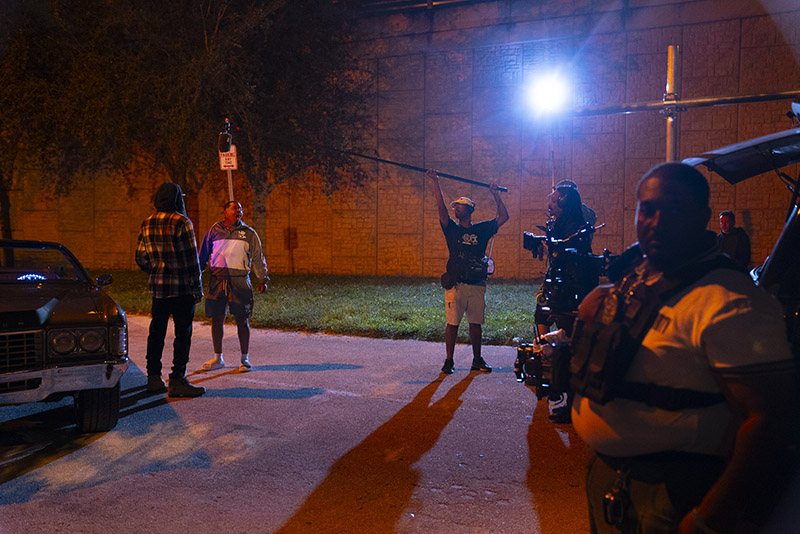
At Global Filmz Studios, we often say that what audiences see on screen is only a fraction of what it takes to create a powerful branded documentary. Every meaningful frame, authentic interview, and emotional moment is the result of a carefully coordinated process that unfolds long before cameras begin rolling and continues long after filming ends.
A branded documentary is more than a marketing asset. It is a cinematic exploration of identity, purpose, and impact. To create something that feels genuine, immersive, and memorable, production must operate on both creative and strategic levels simultaneously.
In this guide, we take you behind the scenes of branded documentary production revealing what really happens from concept development to final delivery.
What Is a Branded Documentary Production?
A branded documentary production is the process of transforming a real organizational story into a cinematic narrative that audiences can connect with emotionally. Unlike traditional promotional content, a branded documentary focuses on storytelling rather than messaging.
It explores people, experiences, and transformation. It invites viewers into the organization’s world rather than presenting a polished external image.
Behind the scenes, this requires deep research, careful planning, creative collaboration, and technical precision. Every stage is designed to preserve authenticity while shaping a compelling narrative.
The Discovery Phase: Finding the Real Story
Before any production begins, the most important task is understanding the story that needs to be told. This phase is often invisible to audiences, yet it defines the entire direction of the film.
Producers explore the organization’s history, culture, mission, and impact. They listen to leadership, employees, and stakeholders. They identify defining moments the turning points that shaped identity or changed direction.
Discovery is not just information gathering. It is narrative excavation. The goal is to uncover meaning beneath surface-level facts.
Many organizations are surprised by what emerges during this phase. Stories that seemed ordinary internally often reveal powerful emotional significance when viewed from a storytelling perspective.
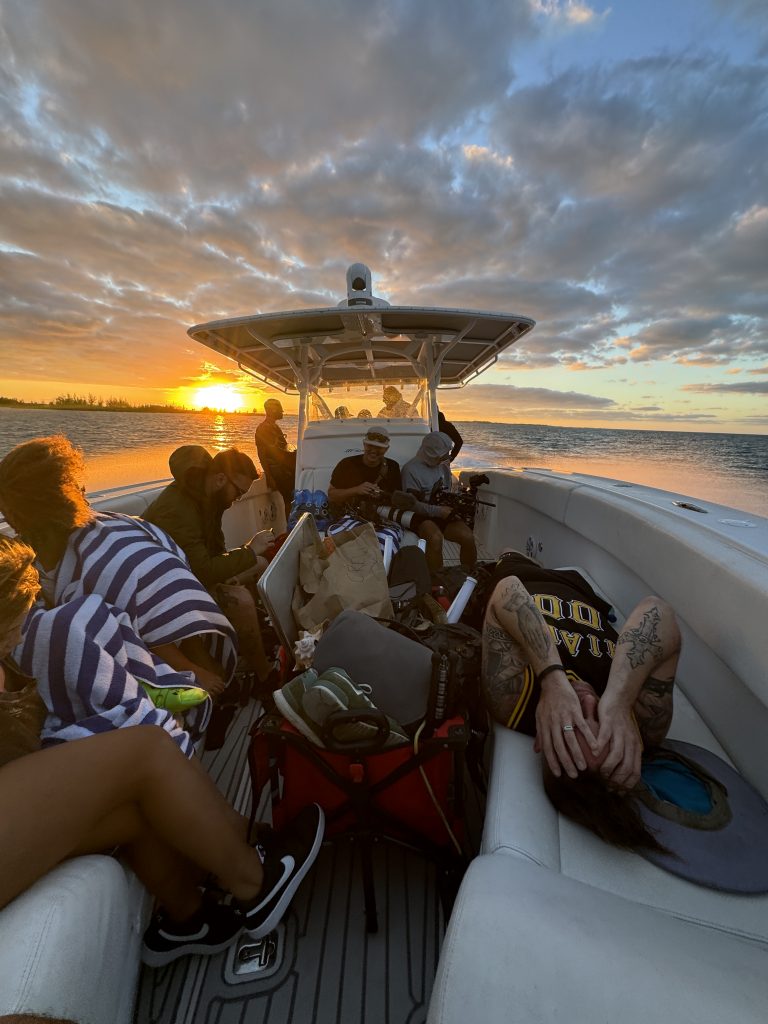
Defining the Creative Vision
Once the story is understood, the creative vision takes shape. This vision determines how the documentary will feel, not just what it will say.
Tone, pacing, visual style, and narrative structure are carefully designed to reflect the organization’s character. Some stories call for an energetic, forward-moving style. Others require a reflective and intimate atmosphere.
Creative direction also defines how audiences will experience the journey. Will the film feel observational and immersive? Will it follow specific individuals closely? Will it unfold chronologically or thematically?
These decisions guide every stage of production that follows.
Pre-Production Planning: Building the Framework
Pre-production is where creative ideas become practical reality. It is one of the most detailed and collaborative stages of the process.
Production teams organize logistics, schedule interviews, scout locations, and design filming strategies. Every scene must serve the narrative while remaining technically feasible.
Behind the scenes, careful coordination ensures that filming captures authentic moments without disrupting real environments or experiences.
Pre-production typically involves several essential preparations:
- Identifying interview subjects and story perspectives
- Mapping visual environments that represent the organization
- Designing filming schedules that align with real-world activity
This stage creates the structure that allows storytelling to unfold smoothly during filming.
Preparing Interview Subjects for Authentic Conversations
Interviews are often the emotional center of a branded documentary. However, authentic interviews require preparation that supports natural expression rather than scripted delivery.
Participants are guided to reflect on experiences rather than recite information. They are encouraged to speak in their own voice and share personal insights.
Behind the scenes, interview preparation focuses on comfort and trust. When individuals feel at ease, their stories become more open, honest, and emotionally resonant.
Authenticity cannot be forced but it can be supported through thoughtful preparation.
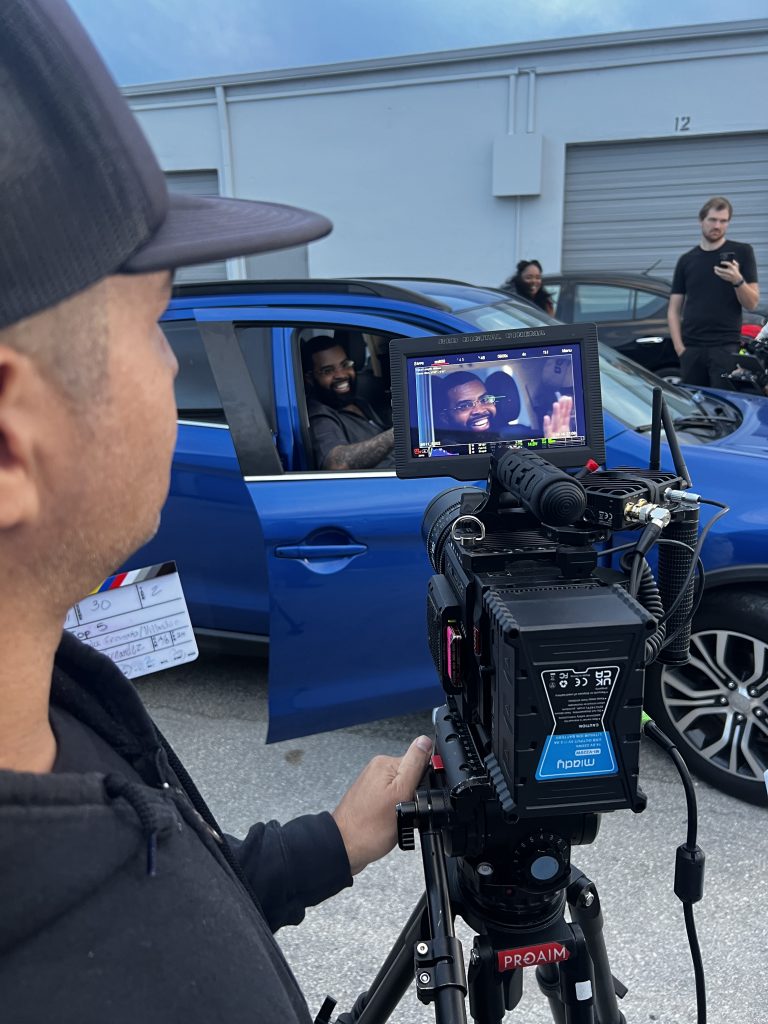
The Filming Process: Capturing Real Moments
Production days are where planning meets reality. Cameras capture interviews, environments, and everyday activity that reveal the organization’s culture and impact.
Filming a branded documentary is rarely about staging events. Instead, crews observe and document genuine experiences as they unfold.
This requires flexibility. Real life does not follow a script, and meaningful moments often emerge unexpectedly. Production teams must remain alert, responsive, and ready to capture spontaneous authenticity.
Visual storytelling extends beyond interviews. Movement through spaces, interactions between people, and environmental details all contribute to narrative depth.
Behind the scenes, every shot is chosen not just for visual appeal but for storytelling relevance.
Creating an Atmosphere That Encourages Authenticity
One of the most overlooked aspects of production is emotional environment. The atmosphere on set influences the quality of what is captured.
A calm, respectful environment helps participants relax and express themselves naturally. When people feel observed rather than directed, their behavior remains genuine.
Production teams work carefully to minimize intrusion while maintaining technical excellence. This balance is essential to preserving authenticity.
Viewers may never see the quiet coordination happening off camera but they feel its results in every natural moment captured on screen.
Managing the Unpredictable Nature of Documentary Filmmaking
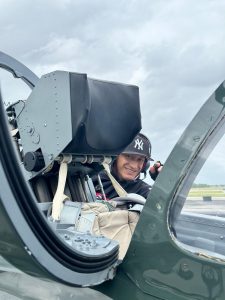
Unlike scripted production, documentary filmmaking involves constant adaptation. Schedules shift, environments change, and new story elements emerge during filming.
Behind the scenes, production teams continuously evaluate what is unfolding and adjust accordingly. Sometimes unexpected moments become the most powerful parts of the film.
Flexibility is not a challenge it is a defining strength of documentary storytelling. It allows the narrative to evolve organically rather than remain confined to initial expectations.
The Role of Cinematography in Branded Documentaries
Cinematography shapes how audiences emotionally experience the story. Lighting, framing, movement, and composition all influence perception.
Visual choices communicate tone and meaning. A close-up can reveal vulnerability. A wide shot can show scale and context. Natural light can create realism, while controlled lighting can shape mood.
Behind the scenes, cinematography decisions are carefully aligned with narrative intention. Every visual element supports the emotional journey of the film.
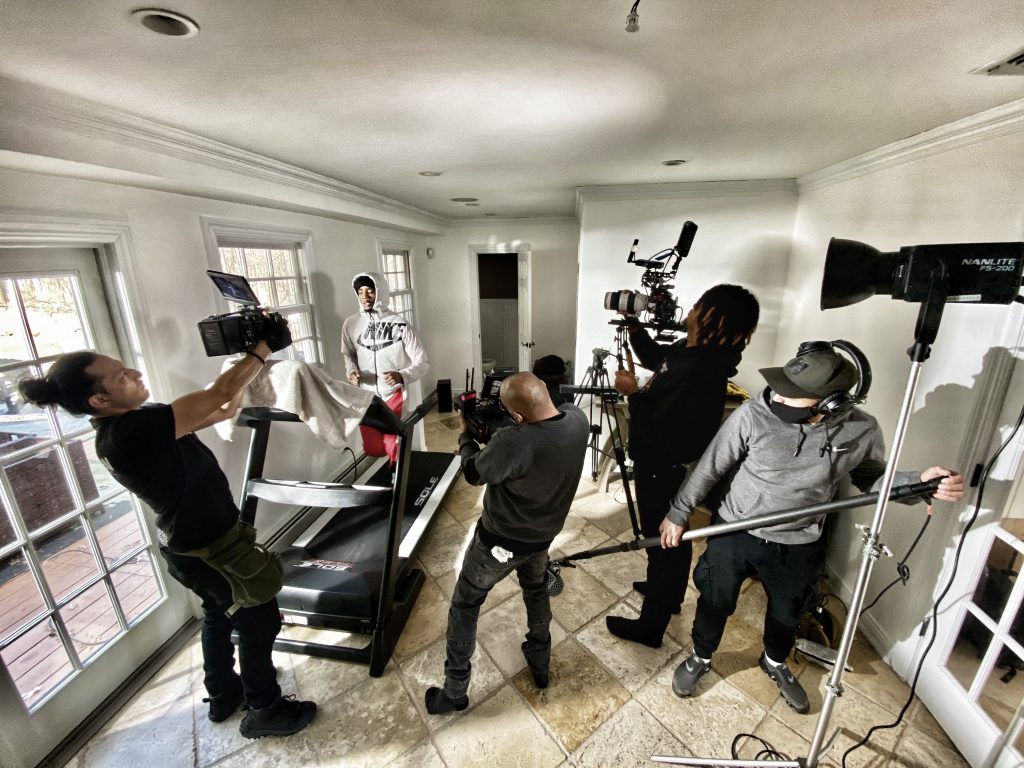
Capturing Sound That Enhances Storytelling
Sound design is often invisible but deeply influential. Dialogue clarity, environmental audio, and subtle background elements all shape immersion.
Production teams capture more than spoken words. They record atmosphere the subtle sounds that define real environments.
Later, these elements help build emotional continuity and realism. Sound connects viewers to space, presence, and experience.
Post-Production: Where the Story Truly Takes Shape
After filming ends, the raw material enters post-production the stage where the documentary becomes a cohesive narrative.
Editors review hours of footage, identifying moments that reveal meaning, emotion, and progression. Interviews are woven together. Visual sequences are arranged to create rhythm and flow.
Post-production involves more than assembly. It is narrative sculpting. Every cut, transition, and pacing decision shapes audience perception.
The story discovered during filming is refined into a clear and compelling experience.
Crafting Emotional Rhythm Through Editing
Editing determines how viewers feel as the story unfolds. Pace influences tension, reflection, and engagement.
Some scenes allow quiet contemplation. Others build momentum or emotional intensity. Strategic variation keeps audiences immersed while guiding their understanding.
Behind the scenes, editors carefully balance information and emotion. The goal is to create continuity that feels natural rather than constructed.
The Role of Music in Emotional Storytelling
Music supports tone, atmosphere, and emotional connection. It can create anticipation, reflection, or inspiration without a single spoken word.
Careful selection ensures that music enhances rather than overwhelms the narrative. It works in harmony with visuals and dialogue to deepen impact.
Music often becomes the emotional thread that connects separate scenes into a unified experience.
Refinement and Feedback
Before completion, the documentary undergoes multiple rounds of review. Creative teams evaluate clarity, pacing, and emotional effectiveness.
Adjustments are made to strengthen narrative focus and ensure the film communicates its intended message.
This refinement process ensures that every element supports the story’s purpose.
Preparing the Documentary for Release
Once finalized, the documentary is prepared for its intended audiences and platforms. Different formats may be created to support various communication strategies.
A branded documentary can be shared across digital platforms, internal presentations, events, and long-term storytelling initiatives.
Behind the scenes, technical preparation ensures consistency and quality across every viewing environment.
The Lasting Impact of Branded Documentary Production
What audiences see is a seamless story. What they don’t see is the extensive collaboration, planning, adaptation, and creativity that made it possible.
Behind every branded documentary is a process designed to reveal truth, capture emotion, and shape narrative meaning. The goal is not simply to create content but to create understanding.
A well-crafted branded documentary becomes more than a film. It becomes a reflection of identity, a record of purpose, and a connection point between organizations and audiences.
Final Thoughts: The Invisible Craft Behind Powerful Storytelling
Behind the scenes of a branded documentary production lies an intricate balance of strategy and artistry. Discovery reveals the story. Production captures experience. Post-production shapes meaning. Every stage works together to transform reality into narrative.
At Global Filmz Studios, we believe audiences connect most deeply with stories that feel lived rather than presented. That authenticity is never accidental it is the result of thoughtful planning, careful observation, and creative dedication behind the camera.
Q&A on Behind the Scenes of a Branded Documentary Production
At Global Filmz Studios, audiences often see the final polished documentary but rarely understand what happens behind the camera. Branded documentary production is a layered process that blends storytelling, strategy, technical precision, and human collaboration. Every meaningful moment captured on screen is supported by careful planning, creative decision-making, and continuous refinement.
This Q&A guide answers the most common questions about what really happens behind the scenes of a branded documentary production from early concept development to final delivery.
What Does “Behind the Scenes” Really Mean in Branded Documentary Production?
Behind the scenes refers to everything that happens outside of what viewers ultimately see in the finished film. It includes planning, research, creative development, technical preparation, filming logistics, and post-production work.
While the final documentary may feel natural and effortless, it is the result of extensive coordination. Teams work together to identify meaningful stories, create filming strategies, and shape raw footage into a cohesive narrative.
Behind-the-scenes work ensures that the documentary communicates authenticity while maintaining strong storytelling structure.

Read More
Preparation forms the foundation of the entire production. Without a clear understanding of the story, filming can become unfocused and disconnected. Early planning helps identify narrative themes, key participants, and visual environments that represent the organization accurately. It also ensures that production captures moments that truly matter rather than collecting random footage. Preparation allows filming to feel spontaneous while still supporting a purposeful story. The discovery phase is where the real story begins to emerge. Production teams explore the organization’s history, culture, and experiences to understand what defines its identity. This process often includes conversations with leadership, employees, and individuals connected to the organization’s impact. These discussions reveal emotional insights, defining milestones, and meaningful transformations. Discovery is about listening carefully. It helps identify the narrative that will guide the documentary’s direction. Creative direction determines how the story will feel visually and emotionally. It shapes tone, pacing, and narrative structure. Some branded documentaries are observational and immersive, allowing viewers to experience events as they unfold. Others are reflective and personal, focusing closely on individual perspectives. The creative approach must align with the organization’s character and message. This alignment ensures that storytelling feels authentic rather than imposed. Pre-production transforms creative ideas into an actionable plan. It involves scheduling, location preparation, interview coordination, and filming strategy development. Behind the scenes, production teams anticipate logistical challenges and design solutions before cameras begin recording. This preparation allows filming to proceed efficiently and naturally. Pre-production ensures that storytelling goals and practical execution remain aligned. Interview preparation focuses on comfort, trust, and clarity. Participants are encouraged to reflect on experiences rather than memorize responses. The goal is natural conversation. When individuals feel relaxed and understood, their stories become more expressive and genuine. Preparation may involve discussing themes, reviewing personal experiences, and explaining the overall purpose of the documentary. This helps participants speak with confidence while maintaining authenticity. Interviews provide perspective and emotional depth. They allow viewers to hear directly from individuals who experienced the organization’s journey. Through interviews, audiences understand motivations, challenges, and personal meaning. This human dimension transforms information into narrative experience. Interviews connect viewers to real voices rather than abstract ideas. Filming days bring planning into reality. Crews capture interviews, environments, and real-world activity that reveal organizational culture. Unlike scripted productions, documentary filming often involves observation. Production teams record genuine interactions and natural moments rather than staged events. Flexibility is essential. Unexpected experiences frequently become the most powerful parts of the story. Authenticity depends on environment and approach. Production teams create conditions that allow participants to behave naturally. This includes minimizing disruption, maintaining respectful interaction, and allowing conversations to unfold organically. The goal is to observe rather than control. When individuals feel comfortable, their behavior remains genuine and authenticity becomes visible on screen. Cinematography shapes how audiences perceive emotion and atmosphere. Camera movement, framing, and lighting all influence storytelling. Behind the scenes, visual decisions are carefully aligned with narrative intention. A scene may be filmed to emphasize intimacy, scale, or reflection depending on its purpose in the story. Cinematography is not just technical it is expressive. Sound captures more than dialogue. It records environmental presence the subtle details that make a scene feel real. Ambient sound, natural movement, and tonal texture all contribute to immersion. These elements help viewers feel connected to the space and moment. Clear, thoughtful sound recording ensures emotional continuity throughout the documentary. Documentary production is inherently unpredictable. Schedules shift, new story elements emerge, and circumstances evolve. Production teams continuously evaluate these changes and adapt their approach. Flexibility allows the story to grow organically rather than remain confined to initial expectations. Adaptation is not a disruption it is part of authentic storytelling. Once filming ends, the project enters post-production. This is where raw footage becomes a structured narrative. Editors review all material, identify meaningful moments, and arrange scenes to create logical and emotional progression. Interviews are woven together, and visual sequences are refined. Post-production transforms captured reality into a cohesive viewing experience. Editing controls pacing, emphasis, and emotional rhythm. It determines how information unfolds and how viewers interpret events. Some scenes may be extended to allow reflection. Others may be shortened to maintain momentum. Every decision influences how the story feels. Editing is the stage where storytelling becomes fully realized. Music enhances emotional tone and continuity. It supports mood, builds tension, and creates reflection. Carefully selected music works alongside visuals and dialogue to deepen audience engagement. It guides emotional response without distracting from the story. Music often becomes the connective thread between scenes. Branded documentaries often undergo multiple refinement stages. Creative teams review structure, pacing, and clarity to ensure narrative effectiveness. Feedback may lead to adjustments in sequence arrangement, visual emphasis, or sound design. Each revision strengthens the story’s coherence and impact. Refinement ensures the documentary communicates its intended meaning clearly. After completion, the film is formatted for various distribution environments. Different versions may be created to suit presentations, digital platforms, or long-term storytelling use. Technical preparation ensures consistent quality and accessibility across all viewing formats. Distribution planning allows the documentary to reach its intended audience effectively. One of the greatest challenges is balancing structure with authenticity. Production must guide storytelling while allowing real experiences to unfold naturally. Another challenge is identifying the most meaningful narrative within complex organizational history. Not every detail belongs in the final story. Successful production requires clarity, patience, and creative judgment. Branded documentary production is a collective effort. Creative professionals, technical specialists, and participants all contribute to storytelling. Collaboration ensures that multiple perspectives shape the final film. This diversity of insight strengthens narrative depth and authenticity. No single individual creates a documentary alone. Behind-the-scenes work determines how audiences understand the story. It shapes emotional connection, narrative clarity, and visual experience. When production is thoughtful and intentional, viewers feel immersed in a genuine journey rather than watching constructed content. The invisible work behind the camera defines the power of what appears on screen. Behind every branded documentary is an intricate process of discovery, planning, filming, and refinement. What appears effortless to audiences is the result of careful coordination and creative dedication. At Global Filmz Studios, we believe powerful storytelling emerges from thoughtful preparation and authentic observation. The behind-the-scenes process is not simply technical it is the foundation of meaningful narrative. When viewers connect with a documentary, they are responding not only to what they see, but to the unseen work that shaped every moment.Why Is Preparation So Important Before Filming Begins?
What Happens During the Discovery Phase?
How Is the Creative Direction Decided?
What Is the Role of Pre-Production in Documentary Filmmaking?
How Are Interview Participants Prepared?
Why Are Interviews So Central to Branded Documentary Storytelling?
What Happens During Filming Days?
How Do Production Teams Maintain Authenticity on Camera?
What Role Does Cinematography Play Behind the Scenes?
Why Is Sound Recording So Important During Production?
 How Do Filmmakers Handle Unexpected Changes During Production?
What Happens After Filming Is Complete?
How Does Editing Shape Audience Experience?
 What Role Does Music Play in the Documentary?
How Many Revisions Does a Documentary Typically Go Through?
How Is the Documentary Prepared for Different Viewing Platforms?
What Is the Most Challenging Part of Behind-the-Scenes Production?
 Why Is Collaboration So Important Behind the Scenes?
What Lasting Impact Does Behind-the-Scenes Work Create?
Final Thoughts: The Hidden Craft Behind Authentic Storytelling
Recent Comments