

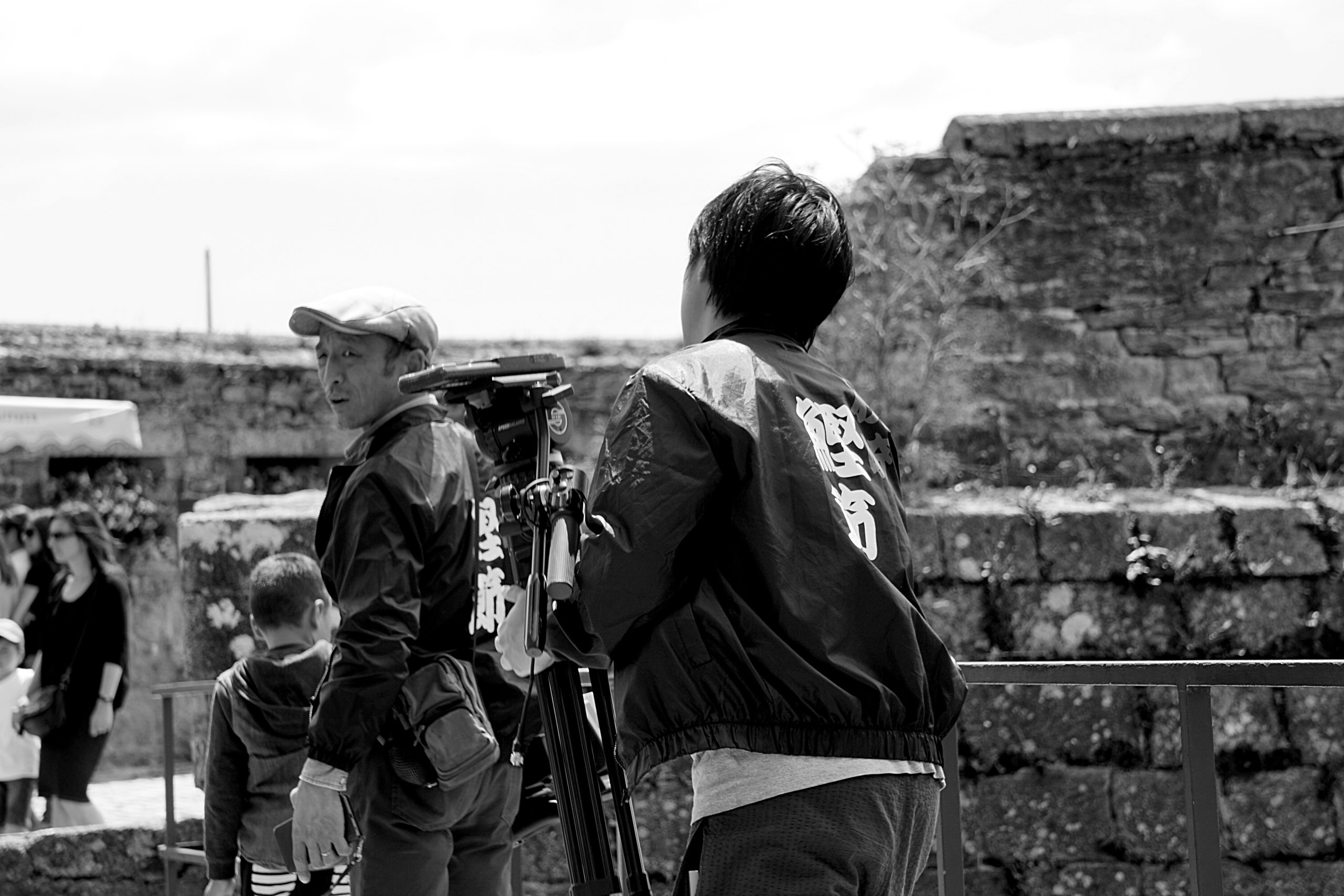
At Global Filmz Studios, we believe every powerful documentary begins with something real a lived experience, a defining moment, a social issue, or a deeply human journey. Real-life stories have an unmatched ability to connect with audiences because they reflect truth, emotion, and authenticity.
But transforming reality into a compelling documentary requires more than simply recording events. It demands structure, intention, ethical awareness, and cinematic storytelling. A meaningful documentary doesn’t just show what happened it helps audiences understand why it matters.
In this guide, we walk you through how to turn a real-life story into a documentary that resonates, engages, and leaves a lasting impact.
Understanding What Makes a Real-Life Story Documentary-Worthy
Not every real-life experience automatically becomes a documentary. The first step is identifying whether the story carries elements that translate effectively to visual storytelling.
A documentary-worthy story typically includes change, conflict, discovery, or transformation. It may explore a personal journey, examine a social issue, or reveal something hidden or misunderstood. What matters most is that the story offers insight something viewers can learn, feel, or reflect on.
At Global Filmz Studios, we look for stories that answer meaningful questions. Does the story reveal something about people, culture, or the human condition? Does it offer emotional depth? Does it evolve over time?
If the answer is yes, you likely have the foundation for a documentary.
Finding the Core Message Behind the Story
Every documentary needs a clear purpose. Before filming begins, it is essential to define what the story is truly about beneath the surface.
A real-life story may contain many events, perspectives, and details, but a documentary requires focus. The filmmaker must decide what idea or theme will guide the narrative. This becomes the emotional and intellectual anchor of the film.
The core message might explore resilience, injustice, innovation, identity, or transformation. It might raise awareness, challenge assumptions, or inspire change. Whatever the message, it shapes every creative decision that follows.
When the message is clear, the story becomes more than documentation it becomes storytelling with direction and meaning.
Conducting Deep Research and Exploration
Real-life storytelling requires understanding. Before filming, documentary creators must immerse themselves in the world of the story.
Research provides context, accuracy, and perspective. It helps filmmakers understand the timeline of events, the environment in which the story unfolds, and the experiences of the people involved. It also reveals nuances that may not be immediately visible.
Exploration often includes conversations with participants, review of historical material, and observation of relevant locations or communities. This process helps identify important narrative threads and potential visual moments.
At Global Filmz Studios, we treat research as an ongoing process rather than a preliminary task. The deeper the understanding, the more authentic and layered the final documentary becomes.
Identifying the Central Characters
Audiences connect with people more than information. Even documentaries about broad issues or complex systems benefit from human perspective.
Real-life stories often involve multiple individuals, but most documentaries center around key participants who guide the narrative. These individuals provide emotional continuity and personal insight.
Strong documentary subjects are not necessarily performers or speakers. What matters is openness, authenticity, and relevance to the story’s central theme. Viewers engage most deeply when they witness genuine experiences rather than scripted responses.
Choosing the right participants helps transform abstract ideas into relatable human journeys.

Shaping the Narrative Structure
Reality does not unfold in tidy story arcs but documentaries still require structure. One of the most important creative steps is organizing real-life material into a cohesive narrative.
This does not mean altering truth. Instead, it means selecting moments that illustrate progression, tension, and resolution. A well-structured documentary guides viewers through an experience that feels purposeful and emotionally engaging.
Many real-life documentaries follow a progression that includes introduction, development, challenge, and reflection. However, structure can be linear, thematic, or exploratory depending on the nature of the story.
The goal is clarity. The audience should understand where the story begins, what changes, and what it ultimately reveals.
Planning How the Story Will Be Filmed
Once the narrative direction is clear, filmmakers must determine how the story will be captured visually. Documentary filmmaking is not only about what is filmed but how it is filmed.
Visual planning includes identifying interview approaches, observational scenes, environmental footage, and supporting material. Filmmakers consider how locations, lighting, and camera movement contribute to mood and meaning.
Real-life storytelling often requires flexibility. Events may unfold unpredictably, and access may change. Planning provides direction while allowing space for spontaneity.
A thoughtful filming approach ensures that the visual language of the documentary supports its emotional and thematic goals.
Balancing Observation and Interpretation
One of the defining characteristics of documentary filmmaking is the balance between showing and explaining.
Some moments are best captured through direct observation allowing viewers to witness events as they happen. Other moments require context through interviews, narration, or visual explanation.
Finding the right balance helps maintain authenticity while ensuring clarity. Too much explanation can feel instructive, while too little context can leave audiences confused.
At Global Filmz Studios, we approach this balance intentionally. The documentary should feel immersive, but it should also guide viewers toward understanding.
Filming Real Moments With Sensitivity and Awareness
Working with real people and real experiences carries responsibility. Documentary filmmaking often involves emotional, personal, or complex subject matter.
Filmmakers must approach participants with respect, transparency, and ethical awareness. Trust is essential. When individuals feel safe and respected, their stories emerge with honesty and depth.
Sensitivity also applies to timing. Some moments should be filmed immediately, while others require patience or distance. Knowing when to observe and when to step back is part of responsible storytelling.
Ethical awareness protects both the participants and the integrity of the documentary.
Capturing Supporting Visual Elements
Beyond interviews and main events, documentaries rely on visual context. These supporting elements help create atmosphere, establish setting, and reinforce meaning.
Environmental footage, daily routines, symbolic details, and transitional visuals all contribute to storytelling. They allow audiences to experience the world of the documentary rather than simply hear about it.
These visual layers add texture and immersion. They transform information into lived experience.
Transforming Raw Footage Into a Story
Filming generates material. Editing creates narrative.
During post-production, filmmakers review footage, identify meaningful moments, and assemble them into a cohesive structure. This process often reveals connections and themes that were not fully visible during filming.
Editing shapes pacing, emotional rhythm, and narrative clarity. Sound design, music, and visual refinement enhance atmosphere and continuity.
This stage requires both analytical and creative thinking. Editors must evaluate what serves the story and what does not, even when every moment feels meaningful.
The goal is not to include everything that happened but to include everything that matters.
Ensuring Authenticity Without Losing Engagement
Authenticity is the heart of documentary filmmaking, but authenticity alone does not guarantee audience engagement. A documentary must also be compelling, clear, and emotionally accessible.
This requires thoughtful storytelling choices. Scenes must flow logically. Emotional beats must be recognizable. Information must be understandable.
At Global Filmz Studios, we believe authenticity and engagement are not opposing forces. When structured thoughtfully, real-life storytelling becomes both truthful and captivating.
Preparing the Documentary for Audiences
A documentary achieves its purpose when it reaches viewers. Preparing for audiences involves refining the film’s presentation, tone, and clarity.
This stage may include test screenings, adjustments to pacing, or refinement of messaging. The goal is to ensure the story communicates effectively to people who are encountering it for the first time.
Audience preparation is not about altering truth it is about ensuring understanding.
Key Steps for Turning a Real-Life Story Into a Documentary
While every project is unique, the process typically follows several essential stages:
- Identify the story’s central message
- Research and understand the subject deeply
- Choose compelling participants
- Structure the narrative thoughtfully
- Capture authentic moments with care
- Shape the story through editing
These steps provide a framework that supports both creativity and clarity.
Overcoming Common Challenges in Real-Life Storytelling
Turning reality into a documentary often involves uncertainty. Stories evolve, access changes, and unexpected developments reshape the narrative.
Filmmakers must remain adaptable while maintaining focus on the central message. Patience, flexibility, and careful decision-making are essential.
Another common challenge is emotional complexity. Real-life stories may involve sensitive topics or deeply personal experiences. Navigating these responsibly requires empathy and professionalism.
Challenges are not obstacles to storytelling they are part of the documentary journey.
Why Real-Life Stories Have Lasting Impact
Documentaries based on real experiences resonate because they reflect truth. They allow audiences to witness lives, perspectives, and events they might never encounter otherwise.
Real-life storytelling builds empathy. It invites understanding. It preserves memory and sparks conversation.
When crafted thoughtfully, a documentary does more than inform it connects people to the realities of others in meaningful ways.
Final Thoughts: Turning Reality Into Meaningful Cinema
At Global Filmz Studios, we see documentary filmmaking as the art of transforming lived experience into shared understanding. Turning a real-life story into a documentary requires curiosity, discipline, empathy, and creative vision.
It begins with listening. It continues with careful observation. And it culminates in storytelling that helps audiences see the world differently.
Every real-life story contains meaning. Documentary filmmaking is the process of discovering that meaning, shaping it with intention, and presenting it in a way that resonates far beyond the screen.
When approached thoughtfully, reality becomes not just something we record but something we understand, remember, and carry forward.
Q&A on How to Turn a Real-Life Story Into a Documentary
At Global Filmz Studios, we believe that real-life stories hold extraordinary power. They capture truth, emotion, transformation, and perspective in ways fictional narratives simply cannot replicate. But while real experiences provide strong raw material, turning them into a compelling documentary requires thoughtful planning, ethical storytelling, and creative structure.
This Q&A guide answers the most common questions about transforming real-life experiences into engaging documentary films from identifying the right story to shaping footage into meaningful cinema.

What Makes a Real-Life Story Suitable for a Documentary?
Not every real-life experience naturally translates into a documentary. A strong documentary story typically includes change, conflict, discovery, or transformation. It offers a journey something that evolves over time and reveals insight along the way.
Stories that work best often explore human resilience, social issues, personal identity, innovation, or hidden perspectives. The key factor is relevance. The story must matter not only to the people involved but also to audiences who encounter it for the first time.
A compelling documentary subject invites curiosity. It makes viewers ask questions, reflect emotionally, or reconsider what they thought they understood. When a real-life story has depth, progression, and emotional resonance, it becomes a powerful candidate for documentary storytelling.
How Do You Identify the Main Message of the Documentary?
Every documentary needs a central idea that guides the storytelling. Real life contains many events, perspectives, and details, but a documentary requires focus.
The main message is the deeper meaning behind the story. It may explore themes such as perseverance, injustice, innovation, healing, or cultural change. This message shapes the narrative direction, influences creative decisions, and gives the film purpose.
Without a clear message, a documentary can feel like a collection of events rather than a meaningful story. When the message is defined early, every scene and interview contributes to a unified narrative experience.
Why Is Research So Important Before Filming Begins?
Research builds understanding, and understanding creates authenticity. Before filming, documentary creators must explore the full context surrounding the story.
This includes learning about timelines, environments, personal histories, and broader social or cultural influences. Research helps filmmakers avoid oversimplification and ensures that the story is presented with depth and accuracy.
It also reveals narrative opportunities. Through research, filmmakers often discover key moments, relationships, or perspectives that shape the direction of the documentary. In many cases, research continues throughout production as new insights emerge.
How Do You Choose the Right People to Feature in the Documentary?
Real-life documentaries are driven by human perspective. Even when exploring large issues, audiences connect most deeply through individual experiences.
Selecting participants involves identifying individuals whose lives or roles are central to the story’s progression. These people help audiences understand events through emotion, reflection, and lived experience.
The most effective documentary participants are not necessarily performers or public speakers. What matters most is authenticity. When people speak honestly and openly, viewers form genuine emotional connections with the story.
Choosing the right voices helps transform abstract ideas into relatable human journeys.
How Do You Structure a Story That Happened in Real Life?
Reality rarely unfolds in a neat narrative arc, but documentaries still require structure to be engaging and understandable.
Filmmakers organize real events into a coherent progression. This often includes introducing the subject, exploring development or challenges, and reflecting on outcomes or meaning. The structure does not change the truth it simply presents events in a way that viewers can follow and interpret.
Some documentaries follow chronological timelines, while others group moments by theme or perspective. The structure depends on what best communicates the story’s message.
Clarity is the goal. Audiences should understand how the story begins, what changes occur, and why those changes matter.
How Much Planning Is Needed Before Filming Real Events?
Planning provides direction, but documentary filmmaking must also remain flexible. Real life is unpredictable, and meaningful moments do not always happen on schedule.
Preparation includes identifying key locations, planning interview approaches, and determining what types of footage will support the story. At the same time, filmmakers must remain ready to capture unexpected developments.
Successful documentary production balances preparation with openness. Structure guides the process, but adaptability allows the story to unfold naturally.
 What Is the Difference Between Observing and Explaining in a Documentary?
Documentary storytelling involves both showing and interpreting. Some moments are best captured through direct observation, allowing audiences to witness events without commentary. Other moments require context through interviews or narrative explanation.
Observation creates immersion. Explanation creates understanding.
Finding the right balance ensures that the documentary feels both authentic and accessible. Too much explanation can feel instructional, while too little can leave viewers confused. Thoughtful storytelling integrates both elements seamlessly.
How Do Filmmakers Handle Sensitive or Emotional Real-Life Material?
Working with real people requires respect, empathy, and ethical awareness. Documentary participants often share personal experiences, and filmmakers must approach these moments with care.
Trust is essential. Participants should understand how their stories will be used and feel comfortable with the filmmaking process. Transparency and communication help maintain this trust throughout production.
Filmmakers must also recognize emotional boundaries. Some moments should be filmed immediately, while others require patience or distance. Ethical storytelling protects both the individuals involved and the integrity of the documentary itself.
What Types of Footage Are Needed Beyond Interviews?
Interviews provide insight, but documentaries rely on visual context to create immersion. Supporting footage helps audiences experience the world of the story.
This may include environmental scenes, daily routines, symbolic details, or transitional visuals that establish mood and atmosphere. These elements provide texture and continuity, allowing the story to unfold visually rather than only verbally.
Visual storytelling deepens engagement by helping viewers feel present within the documentary environment.
How Does Editing Turn Real Footage Into a Narrative?
Filming captures events. Editing creates meaning.
During post-production, filmmakers review all recorded material and identify the moments that best express the story’s progression and message. Scenes are arranged to create emotional flow, narrative clarity, and thematic coherence.
Editing also shapes pacing, tone, and rhythm. Sound design, music, and visual refinement enhance atmosphere and continuity.
This process often reveals connections that were not fully visible during filming. Editing transforms documentation into storytelling.
 How Do You Keep a Documentary Engaging While Staying Truthful?
Authenticity is essential, but engagement is equally important. A documentary must communicate clearly and hold audience attention while remaining faithful to real events.
This balance is achieved through thoughtful storytelling choices structuring scenes effectively, maintaining emotional pacing, and presenting information in a way that is both meaningful and accessible.
When truth is presented with intention and clarity, authenticity and engagement work together rather than competing.
What Are the Most Important Steps in Turning a Real-Life Story Into a Documentary?
While each project is unique, the core process typically includes:
- Defining the story’s central message
- Conducting deep research and exploration
- Selecting authentic participants
- Structuring events into a narrative
- Capturing meaningful visual moments
- Shaping the story through editing
These steps provide a framework for transforming lived experience into cinematic storytelling.
What Challenges Are Common When Filming Real-Life Stories?
Documentary filmmaking often involves uncertainty. Access may change, events may evolve, and emotional complexities may arise unexpectedly.
Filmmakers must remain adaptable while maintaining narrative focus. Patience is essential, as real-life developments do not always align with production schedules.
Another common challenge is emotional responsibility. Real stories involve real people, and their experiences must be handled with care and integrity.
These challenges are part of what makes documentary filmmaking both demanding and meaningful.
 Why Do Real-Life Documentaries Have Such Strong Emotional Impact?
Real-life stories resonate because they reflect genuine human experience. They allow audiences to witness perspectives, challenges, and transformations that might otherwise remain unseen.
Documentaries build empathy by connecting viewers to authentic voices and lived realities. They encourage reflection, conversation, and deeper understanding.
When audiences recognize truth on screen, the emotional connection is immediate and lasting.
How Do You Know When a Real-Life Documentary Is Complete?
A documentary is complete when the story’s message is clear, the narrative feels cohesive, and the emotional journey resonates with viewers.
Completion does not mean every detail has been included. Instead, it means the essential meaning of the story has been fully expressed.
The final film should help audiences understand not only what happened, but why it matters.
What Is the Most Important Principle in Real-Life Documentary Storytelling?
The most important principle is intentional authenticity. A documentary should present real experiences truthfully while shaping them into meaningful narrative form.
This requires listening carefully, observing thoughtfully, and crafting responsibly. Documentary filmmaking is not simply recording reality it is interpreting reality with purpose and care.
Final Thoughts on Turning Real Life Into Documentary Storytelling
At Global Filmz Studios, we view documentary filmmaking as the art of transforming lived experience into shared understanding. Turning a real-life story into a documentary requires curiosity, empathy, discipline, and creative vision.
It begins with identifying meaning within experience. It continues through careful observation and thoughtful structure. And it culminates in storytelling that allows audiences to connect with reality in powerful ways.
Every real-life story holds the potential to inform, inspire, and transform. Documentary filmmaking is the process of discovering that potential and bringing it to the screen with clarity, integrity, and impact.
Recent Comments