

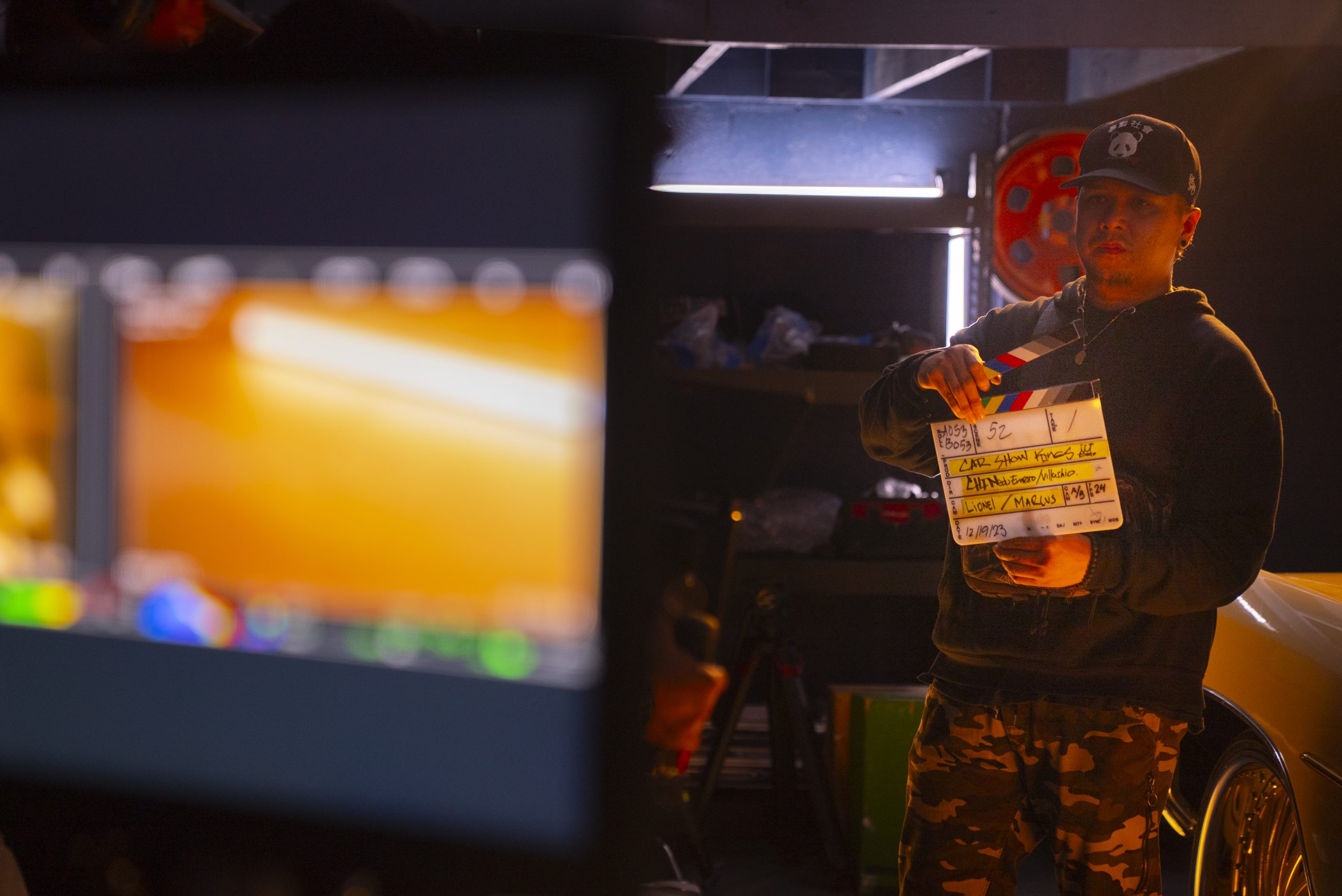
At Global Filmz Studios, documentary filmmaking is more than capturing reality it is about shaping meaningful stories that inform, inspire, and endure. Every documentary we produce follows a carefully structured journey designed to transform an idea into a compelling visual experience that reaches the right audience with maximum impact.
Our end-to-end documentary production process is built on strategy, creativity, and precision. From the earliest spark of an idea to the final delivery of a finished film, each stage is thoughtfully planned to ensure quality, clarity, and emotional resonance. This comprehensive approach allows us to guide every project seamlessly from concept to completion.
Below, we walk you through how our full documentary production process works — and why each phase plays a vital role in storytelling success.
Concept Development and Story Discovery
Every documentary begins with a story worth telling. This initial stage is where ideas take shape and purpose becomes clear. At Global Filmz Studios, we start by exploring the heart of the narrative the message, the people, and the impact the film is meant to create.
Story discovery involves deep research, interviews, and thematic exploration. We work to understand not just what happened, but why it matters and how it connects to audiences. This stage defines the emotional and intellectual direction of the documentary.
We also identify the core narrative structure early. Whether the story unfolds chronologically, thematically, or through personal perspectives, establishing the storytelling framework helps guide all future creative decisions.
Strong documentaries are built on strong foundations. When the concept is clear and meaningful, every production step becomes more focused and purposeful.
Strategic Planning and Pre-Production
Once the story is defined, we move into pre-production the most important planning phase of the entire process. This is where creative vision meets logistical strategy.
Pre-production transforms ideas into actionable plans. We map out filming requirements, production timelines, location needs, interview structures, and visual style. Every detail is considered to ensure filming runs smoothly and efficiently.
During this stage, we also refine narrative flow and visual direction. Decisions about tone, pacing, and storytelling approach are carefully aligned with the documentary’s purpose. Preparation at this level allows the production team to work with clarity and confidence once cameras begin rolling.
Key pre-production priorities typically include:
- Story structure and narrative outline
- Interview planning and subject preparation
- Visual style development
- Scheduling and production coordination
Thoughtful preparation minimizes uncertainty and allows creative energy to remain focused on storytelling rather than problem-solving during filming.
Visual Style and Creative Direction
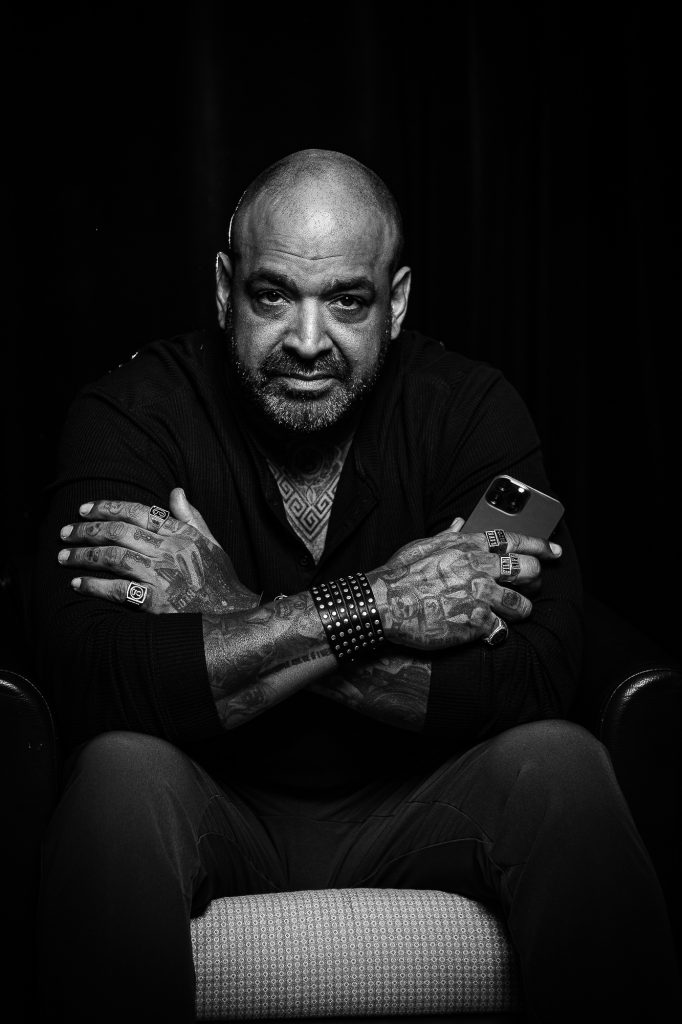
A documentary’s visual identity plays a powerful role in how audiences experience the story. At Global Filmz Studios, we treat visual design as an extension of narrative meaning.
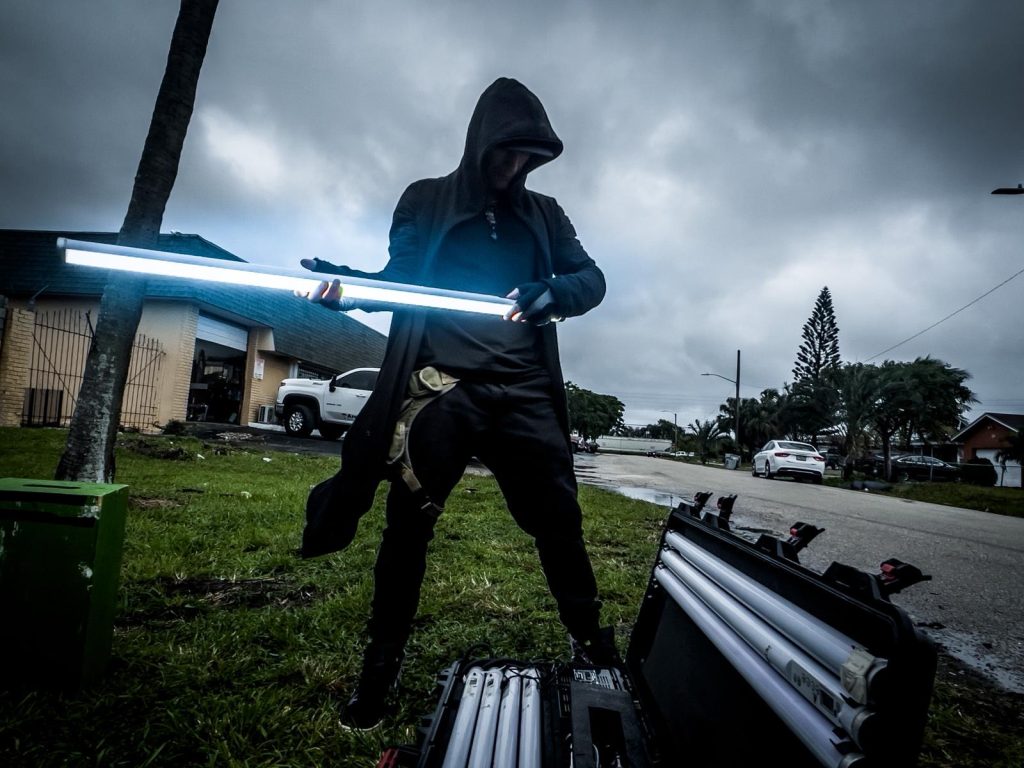
Creative direction defines how the documentary will look and feel on screen. This includes decisions about cinematography style, lighting approach, color palette, camera movement, and composition. Each visual element supports the emotional tone of the film.
For example, intimate handheld footage may create immediacy and realism, while carefully framed compositions may convey reflection and depth. Visual storytelling shapes how audiences interpret the narrative without a single word being spoken.
By establishing creative direction early, we ensure consistency throughout filming and post-production.
Production and On-Location Filming
Production is where the story comes to life. Cameras capture real moments, authentic voices, and meaningful environments that form the core of the documentary experience.
Our filming approach is both structured and flexible. While preparation guides the process, documentaries often involve unpredictable real-world conditions. Being adaptable allows us to capture genuine moments that cannot be scripted or staged.
During production, we focus on three key storytelling elements: people, place, and perspective. Interviews reveal personal insight, environments provide context, and observational footage adds authenticity.
Filming is not simply about recording events it is about capturing truth with clarity and emotional depth.
Interview Capture and Narrative Authenticity
Interviews are often the emotional backbone of a documentary. They provide personal insight, expert perspective, and human connection.
At Global Filmz Studios, we approach interviews as conversations rather than formal questioning. This creates a natural environment where subjects feel comfortable sharing genuine experiences and reflections.
Authenticity is essential. Viewers connect most deeply with honesty, vulnerability, and real emotion. Our role is to create the conditions where those moments can emerge organically.
Careful framing, thoughtful pacing, and attentive listening ensure that each interview contributes meaningfully to the larger narrative.
Managing Real-Time Story Evolution
One of the defining characteristics of documentary filmmaking is that stories often evolve during production. New information may emerge, unexpected events may occur, or perspectives may shift.
Rather than viewing these changes as challenges, we see them as opportunities to deepen the narrative. Flexibility allows the documentary to reflect reality more accurately and meaningfully.
Our production process is designed to adapt while maintaining narrative coherence. When new developments arise, we evaluate how they strengthen the story and adjust accordingly.
This responsiveness is what gives documentaries their power they grow alongside the truth they capture.
Post-Production and Story Assembly
Editing is where storytelling truly takes shape. Hours of footage are carefully reviewed, selected, and arranged to create pacing, clarity, and emotional flow. Every scene is positioned intentionally to guide the audience’s understanding and engagement.
Post-production involves multiple layers of refinement, including:
- Narrative editing and scene sequencing
- Sound design and audio clarity
- Music integration
- Visual color enhancement
- Graphic elements and titles
Each element works together to create a cohesive and immersive viewing experience.
Sound Design and Emotional Atmosphere
Sound is one of the most powerful yet often underestimated aspects of documentary storytelling. It shapes mood, tension, and emotional response.
Careful sound design enhances realism while guiding audience perception. Natural ambience, dialogue clarity, and carefully chosen music create depth and atmosphere.
At Global Filmz Studios, we treat sound as a storytelling instrument. Silence, tone, rhythm, and texture all contribute to how viewers feel as they experience the film.
When sound and visuals work in harmony, the documentary becomes fully immersive.
Color Grading and Visual Consistency
Color grading refines the visual tone of the documentary and ensures consistency across all footage. It enhances mood, emphasizes visual storytelling, and creates a polished cinematic finish.
Different color treatments can evoke different emotional responses warmth may convey intimacy, cooler tones may suggest reflection, and contrast can heighten drama.
This stage ensures that the visual identity established during pre-production is fully realized in the final film.
Audience Positioning and Distribution Preparation
Completing a documentary is only part of the journey. Ensuring it reaches the right audience is equally important.
As part of our end-to-end process, Global Filmz Studios prepares each documentary for effective distribution. This includes formatting, technical delivery standards, and strategic audience positioning.
Understanding who the documentary is for and how they will experience it shapes how it is presented and shared. Distribution preparation ensures the film is ready for viewing environments ranging from digital platforms to curated screenings.
A documentary achieves its purpose only when it connects with viewers.
Quality Control and Final Delivery
Before release, every documentary undergoes comprehensive quality review. We evaluate technical precision, narrative clarity, sound balance, and visual consistency.
This final stage ensures the film meets the highest storytelling and production standards. Every detail is refined so the documentary is ready for presentation without compromise.
Final delivery includes mastering the film in formats suitable for its intended viewing channels. The documentary is prepared to perform seamlessly wherever audiences encounter it.
Continuous Collaboration Throughout the Process
A defining feature of our end-to-end production approach is collaboration. Documentary filmmaking involves creative alignment between storytellers, subjects, and production teams.
At Global Filmz Studios, collaboration continues through every phase from concept discussions to final review. Open communication ensures that the documentary remains true to its vision while benefiting from creative insight at every step.
This collaborative model strengthens both the storytelling process and the final outcome.
Why an End-to-End Process Matters in Documentary Production
A documentary is not created in isolated stages. Each phase influences the next, and success depends on how seamlessly they connect.
An end-to-end production process ensures:
- Narrative consistency from concept to completion
- Efficient coordination between creative and technical teams
- Clear strategic direction throughout production
- Strong alignment between storytelling and audience experience
When every stage works together, the documentary becomes more cohesive, impactful, and meaningful.
Our Commitment to Purpose-Driven Storytelling
At Global Filmz Studios, documentary production is guided by purpose. Every project is approached with the intention to inform, engage, and inspire audiences through authentic storytelling.
Our end-to-end process allows us to maintain creative integrity while delivering professional excellence. From early development to final distribution readiness, we ensure each documentary receives the attention, strategy, and craftsmanship it deserves.
We believe powerful stories deserve thoughtful production and that thoughtful production transforms stories into lasting experiences.
Final Thoughts on Our Documentary Production Approach
Creating a documentary is a journey that requires vision, preparation, creativity, and precision. Each stage from discovery to delivery contributes to how the story is understood and remembered.
Our end-to-end documentary production process is designed to support storytellers at every step. By integrating planning, filming, editing, and audience preparation into one cohesive framework, Global Filmz Studios ensures that every documentary reaches its full potential.
Because when real stories are told with care, clarity, and purpose, they don’t just inform audiences they stay with them.
FAQs on Our End-to-End Documentary Production Process
At Global Filmz Studios, we believe that understanding how a documentary is created helps storytellers, organizations, and audiences fully appreciate the craft behind impactful nonfiction filmmaking. Our end-to-end documentary production process is designed to guide each project from the earliest concept to final delivery with clarity, creativity, and purpose.
Because many clients and collaborators want to understand how everything works behind the scenes, we’ve compiled this comprehensive FAQ guide. These frequently asked questions explain how our production workflow functions, why each stage matters, and how the entire process comes together to transform real stories into powerful visual experiences.
Whether you are planning a documentary, participating as a subject, or simply curious about professional production workflows, this guide offers detailed insight into how we approach storytelling from start to finish.
What Does “End-to-End Documentary Production” Actually Mean?
End-to-end documentary production refers to a complete, fully integrated filmmaking process that covers every stage of creating a documentary. Instead of treating development, filming, editing, and delivery as separate activities, the entire workflow is structured as one continuous creative journey.
At Global Filmz Studios, this means we oversee everything from early story discovery and strategic planning to filming, post-production, and final presentation readiness. Each phase is carefully aligned with the overall storytelling vision so the project remains cohesive and purposeful from beginning to end.
This comprehensive approach ensures consistency, efficiency, and narrative clarity. Every decision supports the larger story rather than existing in isolation.
Why Is a Structured Production Process Important for Documentaries?
Documentary filmmaking involves real people, real environments, and often unpredictable situations. Without a structured process, storytelling can become fragmented or unfocused.
A clearly defined production workflow helps maintain direction, even when circumstances evolve. It ensures that creative vision, technical execution, and logistical planning all work together seamlessly.
Structure does not limit creativity it supports it. When planning is strong, filmmakers can focus more fully on capturing authentic moments rather than managing avoidable complications.
 How Does the Documentary Process Begin at Global Filmz Studios?
Every project begins with story exploration. Before cameras roll or production plans are created, we focus on understanding the purpose of the documentary and the message it aims to communicate.
This phase involves research, discussion, and narrative shaping. We examine the subject matter, identify key perspectives, and explore what makes the story meaningful for audiences.
By the end of this stage, the documentary has a clear narrative direction. This foundation guides all creative and technical decisions moving forward.
What Happens During the Pre-Production Phase?
Pre-production is where planning transforms creative vision into practical strategy. It is one of the most critical stages in the entire process because it prepares the production team for smooth and efficient filming.
During pre-production, we refine story structure, identify filming needs, plan interview approaches, and determine the visual tone of the documentary. Scheduling, coordination, and creative alignment all take place here.
This preparation ensures that production unfolds with purpose and clarity rather than uncertainty.
 How Is Visual Style Determined for a Documentary?
Visual storytelling plays a powerful role in shaping how audiences interpret a documentary. The look and feel of the film influence emotional tone, pacing, and narrative impact.
At Global Filmz Studios, visual style is developed early in the process. Decisions about camera movement, framing, lighting, and overall aesthetic are guided by the story’s emotional character.
A documentary exploring personal experiences may emphasize intimacy and closeness, while a broader investigative narrative may use wider perspectives and observational imagery. Visual style always serves the story rather than distracting from it.
What Makes Documentary Filming Different From Other Types of Production?
Documentary filming captures reality as it unfolds. Unlike scripted productions, moments cannot be rehearsed or repeated in the same way. This makes flexibility and awareness essential.
Production teams must be prepared to adapt to changing circumstances while still maintaining narrative direction. Authenticity is the priority the goal is to document truth rather than stage it.
Because of this, preparation and responsiveness must work together. Planning provides structure, while adaptability allows the story to develop naturally.
How Are Interviews Conducted in Documentary Production?
Interviews are often central to documentary storytelling because they provide personal insight and emotional depth. They help audiences connect with real experiences and perspectives.
At Global Filmz Studios, interviews are approached as conversations rather than formal interrogations. This creates a comfortable environment where subjects can speak naturally and reflectively.
The goal is not simply to gather information, but to capture genuine emotion, memory, and meaning. Authentic responses strengthen the narrative and help audiences connect more deeply with the story.
 Can the Story Change During Production?
Yes, and this is one of the defining characteristics of documentary filmmaking.
Real-world stories often evolve as filming progresses. New insights may emerge, events may unfold unexpectedly, or perspectives may shift. These developments can deepen the narrative and reveal new layers of meaning.
Our production process is designed to accommodate this evolution. We remain attentive to emerging opportunities while ensuring the overall narrative remains coherent and focused.
What Happens After Filming Is Complete?
Once production ends, the documentary enters post-production the stage where raw footage is shaped into a structured narrative.
Editing involves reviewing all captured material, selecting meaningful moments, and arranging them to create emotional flow and clarity. This is where pacing, tone, and storytelling rhythm are fully developed.
Post-production also includes sound refinement, visual enhancement, and integration of supporting elements that strengthen the viewing experience.
Why Is Sound Design So Important in Documentaries?
Sound shapes how audiences feel while watching a documentary. Dialogue clarity, environmental ambience, and carefully integrated music all contribute to emotional impact.
Even subtle sound elements influence perception. Silence can create reflection, natural ambience can add realism, and musical tone can guide emotional response.
Thoughtful sound design ensures that the documentary feels immersive rather than simply observed.
What Is the Role of Color Grading in Documentary Production?
Color grading enhances visual consistency and emotional tone. It refines how footage appears on screen and helps unify material captured in different environments or lighting conditions.
Beyond technical balance, color also supports storytelling. Visual tone can reinforce mood, highlight thematic elements, and create a cohesive cinematic experience.
This final visual refinement ensures that the documentary’s aesthetic matches its narrative intention.
How Is the Documentary Prepared for Viewing and Distribution?
Completing a documentary is only part of the journey. Preparing it for audiences is equally important.
Final preparation includes technical mastering, format optimization, and ensuring the film meets presentation standards. The documentary must be ready to perform smoothly across viewing environments.
Audience positioning is also considered. Understanding how viewers will encounter the documentary helps guide how it is finalized and presented.
What Does Quality Control Involve Before Final Delivery?
Quality control is the final review stage where every detail is carefully evaluated. The documentary is assessed for technical precision, narrative clarity, sound balance, and visual consistency.
This stage ensures the film represents the highest storytelling and production standards before release. Any refinements needed to enhance clarity or cohesion are completed here.
Final delivery occurs only after the documentary meets all creative and technical expectations.
How Does Collaboration Work Throughout the Production Process?
Documentary filmmaking is inherently collaborative. Storytellers, subjects, and production teams all contribute to the narrative.
At Global Filmz Studios, collaboration continues from concept development through final review. Open communication ensures that creative vision remains aligned while allowing for thoughtful input at every stage.
This shared approach strengthens both the storytelling process and the final film.
What Are the Key Benefits of an End-to-End Production Approach?
An integrated production process provides several important advantages:
- Strong narrative consistency from start to finish
- Efficient coordination between planning, filming, and editing
- Clear alignment between creative vision and technical execution
- A seamless experience for everyone involved in the project
By managing the full journey of the documentary, we ensure every stage supports the story’s purpose and impact.
Who Can Benefit From Understanding the Production Process?
Understanding how documentaries are produced benefits more than filmmakers. Participants, collaborators, and organizations all gain clarity about what to expect and how their contributions fit into the larger storytelling framework.
Transparency builds confidence. When people understand the process, they engage more fully and meaningfully with the project.
How Long Does the Entire Production Process Take?
The timeline for documentary production varies depending on the story’s complexity, scope, and evolving nature. Some stories unfold quickly, while others require extended observation and development.
Rather than focusing on fixed timelines, we prioritize narrative depth and storytelling integrity. The process moves at the pace required to capture the story authentically and present it effectively.
What Makes Global Filmz Studios’ Production Process Unique?
Our approach is defined by integration, intention, and storytelling focus. Every phase of production is guided by the same central goal to tell meaningful stories with clarity and impact.
We do not treat development, filming, editing, and delivery as separate tasks. Instead, we view them as interconnected stages of one continuous creative journey.
This holistic perspective ensures that the final documentary reflects both the reality it captures and the purpose it serves.
Why Is Story Purpose Central to the Entire Process?
A documentary without purpose risks becoming a collection of events rather than a meaningful narrative. Purpose defines what the story communicates and why it matters.
At Global Filmz Studios, purpose guides every decision from visual style to editing choices to audience preparation. It ensures the documentary is not only informative but also emotionally resonant and memorable.
Final Thoughts on Our End-to-End Documentary Production Process
Documentary filmmaking is a complex yet deeply rewarding journey. It requires thoughtful planning, creative insight, technical precision, and the ability to adapt to real-world storytelling.
Our end-to-end production process ensures that every stage works in harmony, supporting a cohesive and compelling narrative. From the earliest concept to final delivery, each step is designed to honor authenticity while achieving professional excellence.
At Global Filmz Studios, we believe powerful stories deserve a production process that is just as intentional as the message they carry. By guiding every documentary through a structured yet flexible creative journey, we help transform real experiences into lasting cinematic impact.
Recent Comments