
CURRENTLY STREAMING LIVE FOR 30 DAYS
The Block Chart refects Ticket Sales Only.
Does not include the Gofundme Campaign.
AWARENESS:
Proceeds from the “A Dot in the Ocean online documentary premiere will support The Utila Project,” helping fund the removal of decades of accumulated landfill waste from the mangrove ecosystem of Utila, Bay Islands, Honduras, and contributing to the restoration of one of the island’s most fragile natural environments.The Utila Bay Islands Marine Conservation Documentary “A Dot in the Ocean” IS NOW LIVE on Gdocs: https://gdocs.tv/product/a-dot-in-the-ocean-documentary/?v=0b3b97fa6688
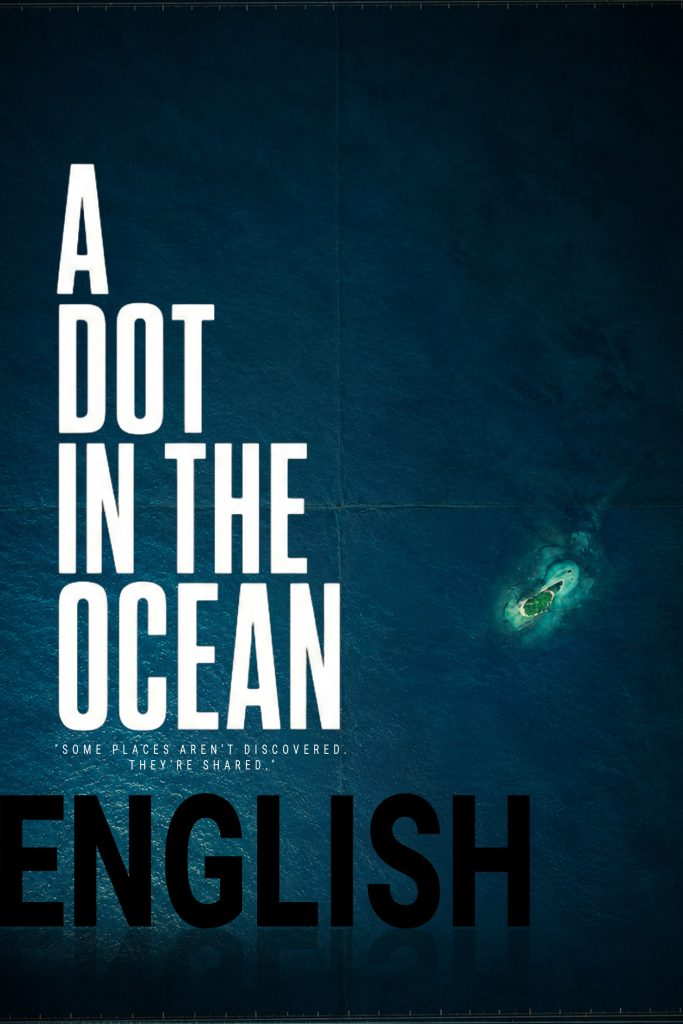
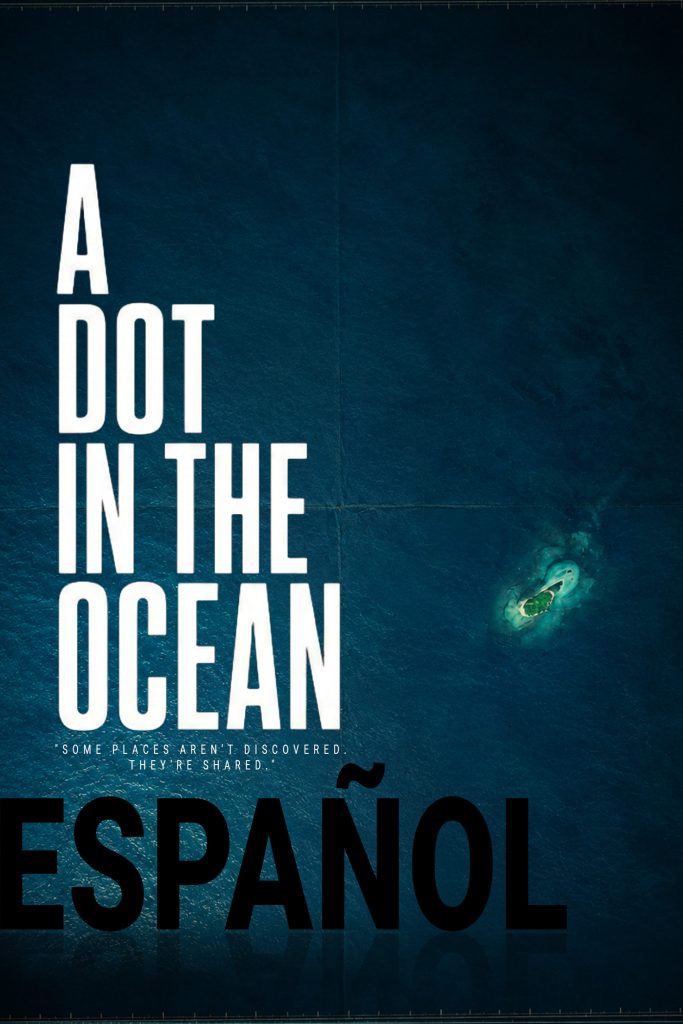
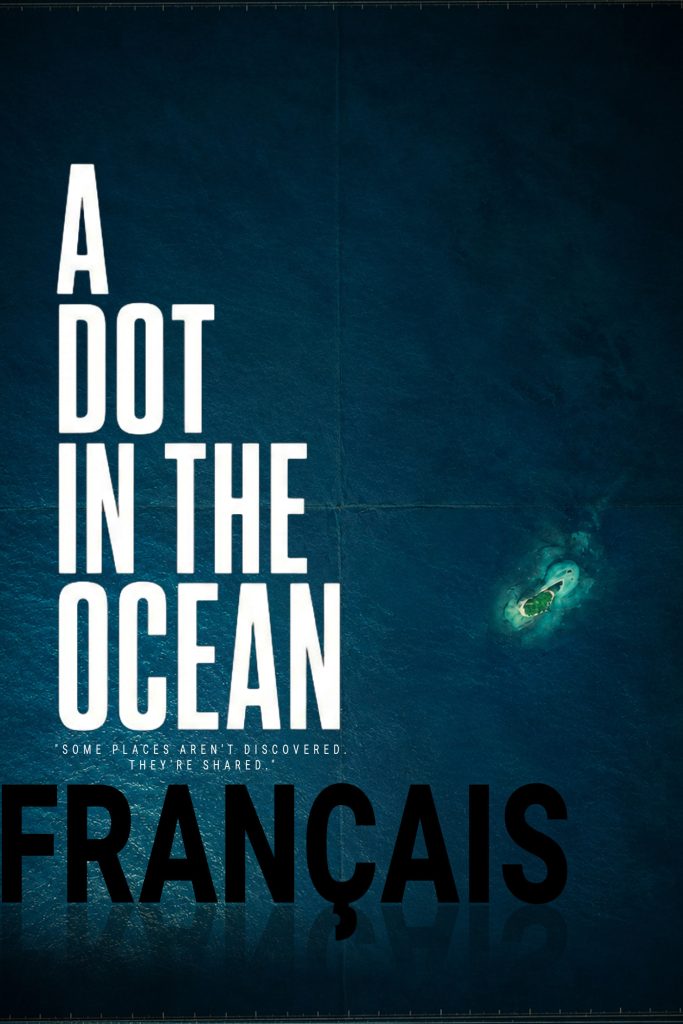
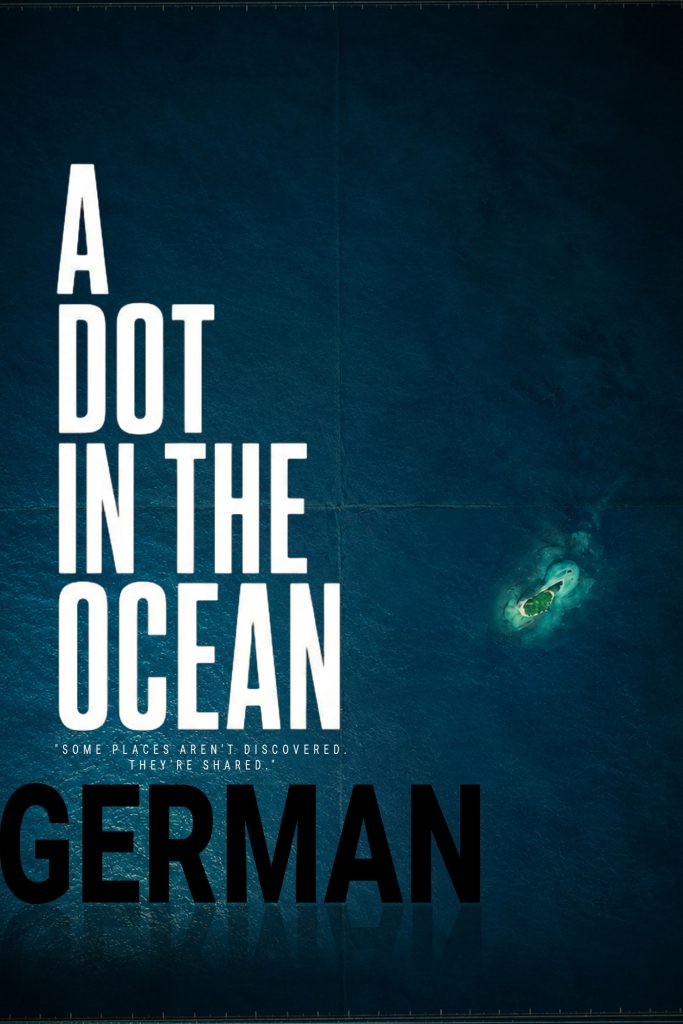
Runtime: 60mins 40 sec
Genre: Adventure Documentary, Environmental Documentary, Conservation Documentary, Social Impact Documentary
Logline: A Dot in the Ocean is a feature-length adventure and conservation documentary that follows an unexpected journey to one of the Caribbean’s most overlooked islands, where a hidden environmental crisis transforms a routine film production into a mission to protect paradise.
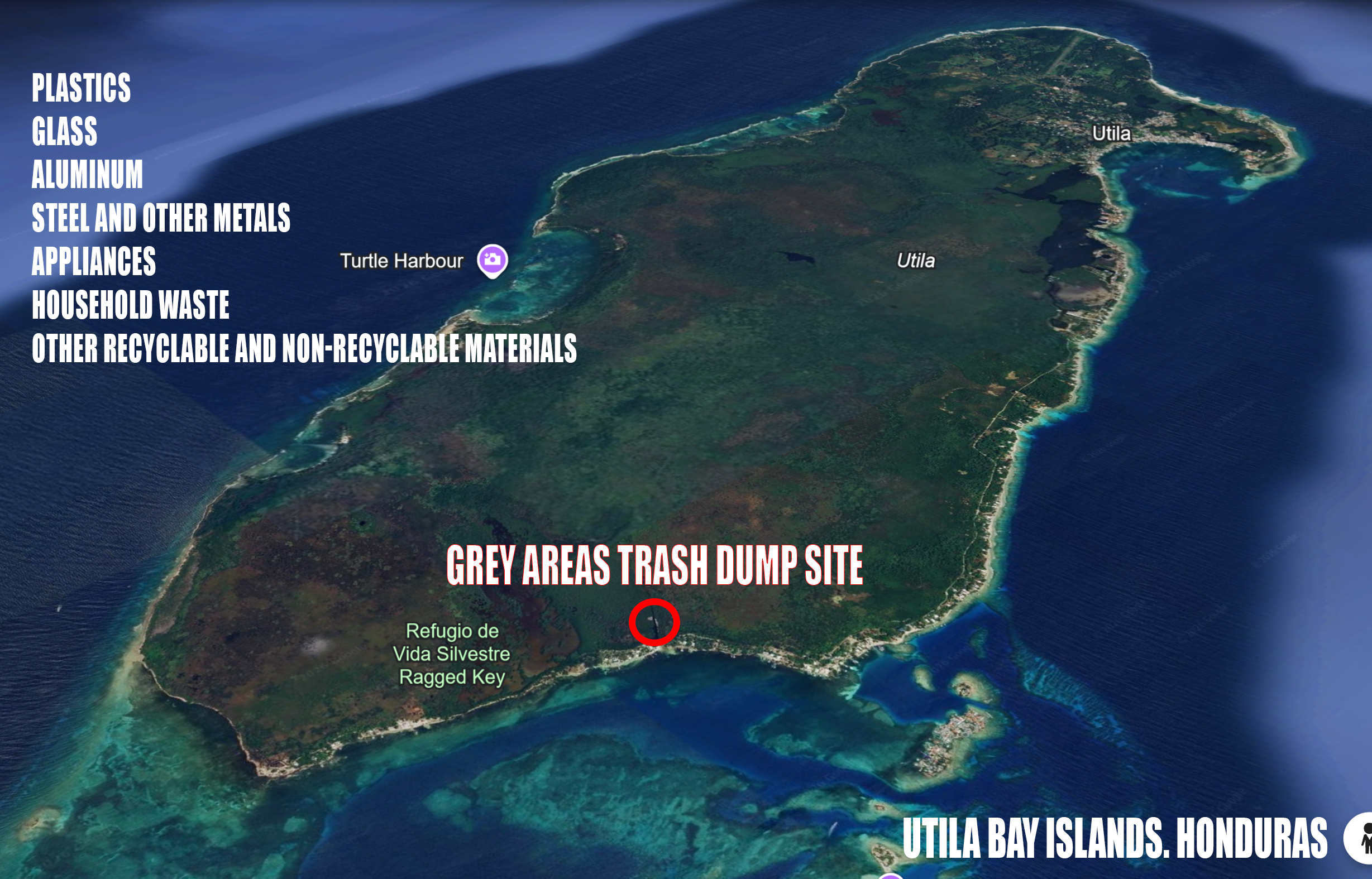
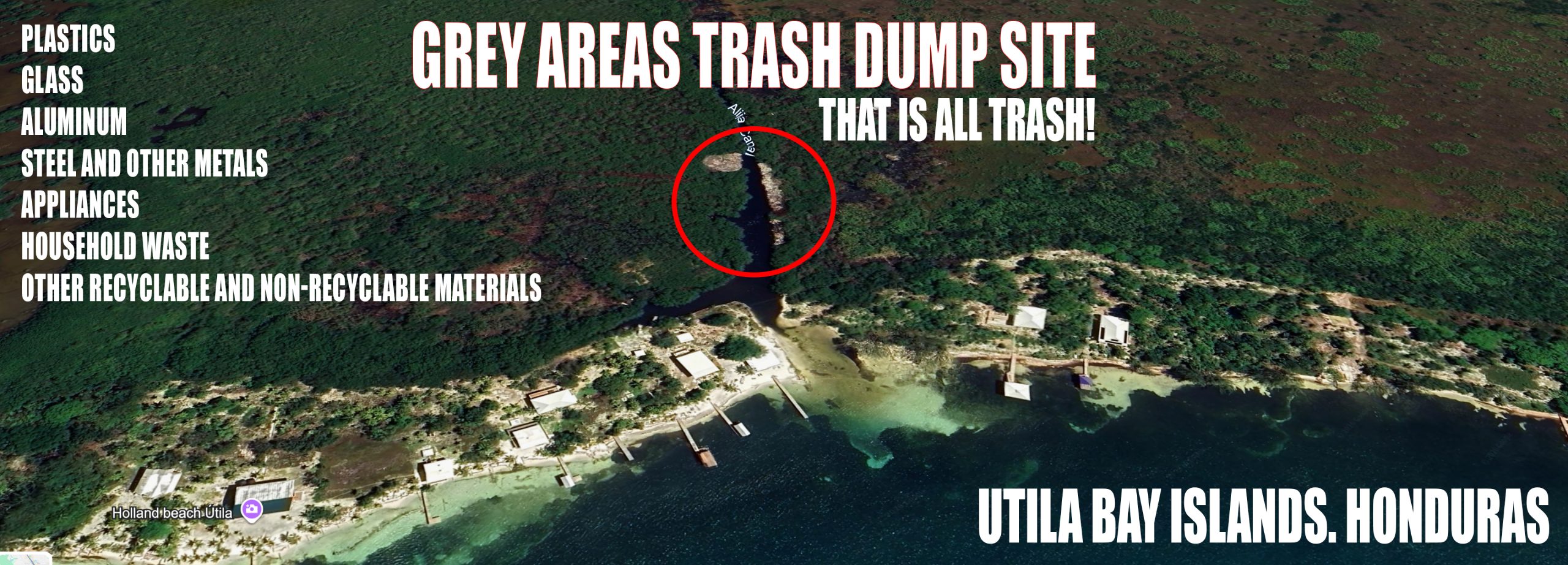
A Dot in the Ocean - The Utila Project (The Trash Dump Site).
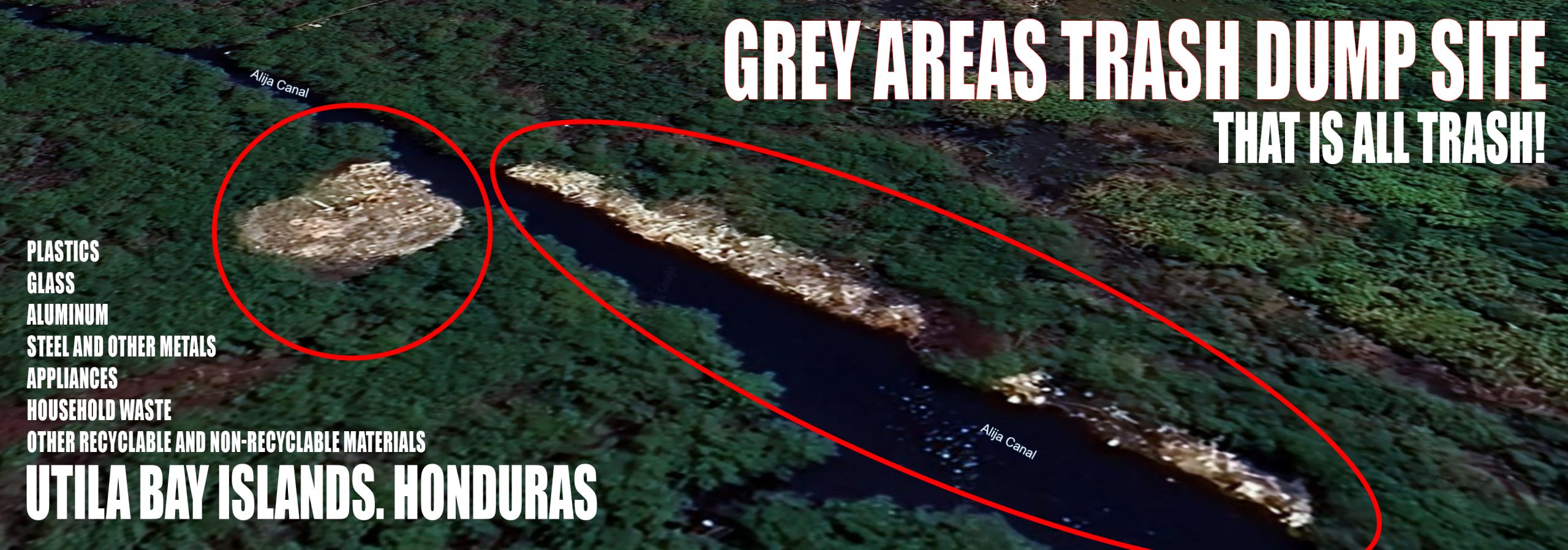
This Is Why We Made the Film.
Most people will never see what you’re looking at.
Hidden behind the mangroves are decades of accumulated waste that continue to threaten one of the Caribbean’s most important ecosystems.
We could have just documented it.
Instead…
We chose to do something about it.
Your support helps transform A Dot in the Ocean from a documentary into a real-world conservation mission.
ACTION
In September 2026, Think Global Media Group plans to return to Utila to oversee, execute, and document the removal of the accumulated waste from the island’s mangrove ecosystem.
This mission will become Part Two of A Dot in the Ocean – The Utila Project, capturing the cleanup efforts and demonstrating the lasting impact that can be achieved when storytelling is transformed into action.
Fundraising Disclaimer
Think Global Media Group is conducting this fundraising campaign in support of The Utila Project with the goal of raising funds to help clean and restore the mangrove ecosystem in Utila, Bay Islands, Honduras.
If the fundraising goal is not reached during the 30-day documentary premiere campaign or through the associated GoFundMe campaign, Think Global Media Group will use all funds raised to begin Phase One of the cleanup efforts.
The scope of work may or may not include waste removal, barges, equipment, labor, transportation, logistics, environmental support services, permitting, and other project-related expenses. The extent of the cleanup efforts will depend entirely on the total amount of funds raised and the resources available at the time the project is executed.
All proceeds from this fundraising campaign will be used exclusively to support The Utila Project and maximize the environmental impact of the funds received.
Lorem ipsum dolor sit amet, consectetur adipiscing elit. Ut elit tellus, luctus nec ullamcorper mattis, pulvinar dapibus leo.

Project Overview
The Utila Project is a community-driven environmental restoration initiative focused on cleaning and rehabilitating a long-standing illegal dumping area located within the mangrove ecosystem of Utila, Bay Islands, Honduras. The objective of Phase One is to remove as much accumulated waste as possible, responsibly process recyclable materials, and begin restoring the affected environment using sustainable practices.
Proposed Scope of Work
1. Site Access & Waterway Clearance
- Conduct an initial environmental assessment of the project area.
- Clear debris, fallen vegetation, and obstructions from the narrow mangrove waterways to establish safe navigation routes.
- Create sufficient access for barges and work boats to reach the landfill site.
- Identify staging areas for loading and transporting debris.
2. Waste Removal Operations
- Mobilize cleanup crews, volunteers, boats, barges, and equipment.
- Remove accumulated landfill waste from within the mangrove ecosystem.
- Conduct multiple transport trips between the cleanup site and designated processing locations until the project phase is complete.
- Continue removal operations based on available funding and project resources.
3. Waste Sorting & Material Separation
All recovered materials will be sorted to maximize recycling opportunities whenever practical.
Materials may include:
- Plastics
- Glass
- Aluminum
- Steel and other metals
- Appliances
- Tires
- Construction debris
- Household waste
- Organic materials
- Other recyclable and non-recyclable materials
4. Recycling & Material Recovery
Whenever feasible and economically practical:
- Separate recyclable materials from non-recyclable waste.
- Prepare recyclable materials for processing.
- Repurpose recyclable plastics into recycled construction materials, including concrete additives or composite products, where appropriate and available.
- Utilize recycled materials to assist with roadway repairs and other community infrastructure improvements when practical.
5. Disposal of Non-Recyclable Waste
- Transport non-recyclable waste to approved waste management facilities on the Honduran mainland.
- Dispose of materials in accordance with applicable environmental regulations and best practices.
- Minimize the amount of waste requiring landfill disposal through recycling and material recovery whenever possible.
6. Site Restoration
Following debris removal, the project may include:
- Stabilizing disturbed areas.
- Filling and grading portions of the former dumping site using environmentally appropriate fill materials.
- Restoring natural drainage where practical.
- Preparing the site for long-term environmental recovery.
- Supporting future mangrove restoration efforts where feasible.
7. Environmental Documentation
Throughout the project, Think Global Media Group will document the cleanup process for Part Two of A Dot in the Ocean – The Utila Project, capturing:
- Before-and-after conditions
- Cleanup operations
- Community participation
- Environmental progress
- Interviews with local residents, volunteers, and project partners
- The ongoing restoration of Utila’s mangrove ecosystem
Project Objective
The primary objective of Phase One is to remove as much accumulated waste as funding and available resources allow while restoring safe access to the mangrove ecosystem, maximizing recycling opportunities, responsibly disposing of non-recyclable materials, and laying the foundation for future environmental restoration efforts in Utila.
Recent Comments