


In an era where audiences are more informed, more selective, and more skeptical than ever before, traditional advertising is no longer enough to build lasting trust. Consumers don’t just want to hear what brands say they want to see what brands do, understand what they stand for, and feel a genuine connection to their purpose.
That shift in audience expectations is one of the primary reasons documentary-style filmmaking has become such a powerful communication tool for modern brands. Rather than delivering polished promotional messaging, documentary storytelling reveals real people, real experiences, and real impact.
At Global Filmz Studios, we’ve seen firsthand how documentary-style films are transforming brand communication. Organizations across industries are turning to this storytelling format to build credibility, deepen engagement, and communicate values in ways that resonate on a human level.
This article explores why documentary-style filmmaking has become such a strategic investment for brands and why its influence continues to grow.
The Shift from Advertising to Authentic Storytelling
For decades, brand communication relied heavily on traditional advertising techniques controlled messaging, scripted visuals, and carefully constructed narratives designed to persuade audiences. While this approach still plays a role, it no longer holds the same power it once did.
Modern audiences are highly aware of marketing tactics. They recognize when messaging is overly polished or purely promotional. As a result, they are more likely to engage with content that feels genuine, transparent, and emotionally real.
Documentary-style films meet this need by prioritizing authenticity. Instead of presenting an idealized brand image, they reveal real experiences connected to the brand’s work, mission, or impact. This creates a sense of openness that audiences find far more trustworthy than traditional marketing formats.
Authenticity is no longer optional it is expected. Documentary storytelling delivers it naturally.
Building Trust Through Transparency
Trust is one of the most valuable assets a brand can possess. Without it, even the most sophisticated marketing campaigns struggle to create lasting influence. Documentary-style films help build trust by allowing audiences to see reality rather than interpretation.
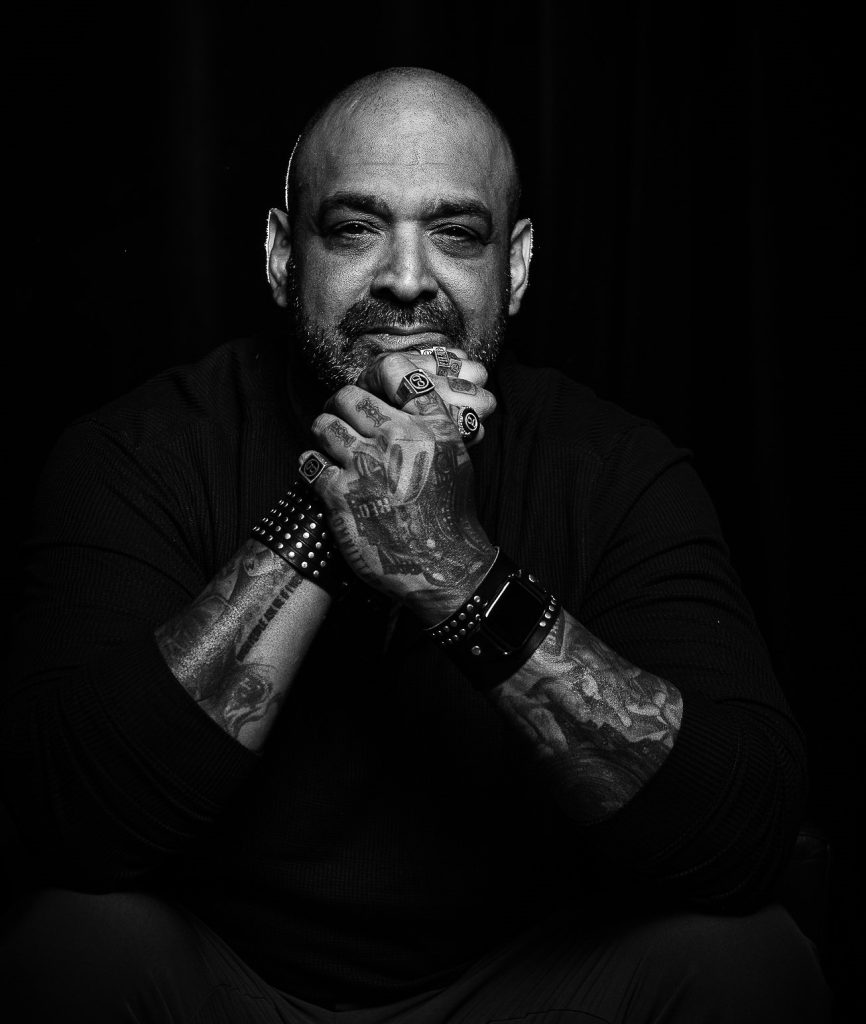
When viewers witness real environments, unscripted conversations, and genuine human experiences, they perceive the brand as more transparent. The storytelling feels less like persuasion and more like observation.
Transparency fosters credibility. Instead of asking audiences to believe claims, documentary storytelling shows evidence of impact and values in action. This visual proof strengthens confidence and encourages long-term loyalty.
Brands that embrace documentary storytelling demonstrate a willingness to be seen honestly and that openness builds meaningful relationships.
Humanizing the Brand Experience
One of the most significant advantages of documentary-style filmmaking is its ability to humanize brands. Organizations often communicate through products, services, or statistics, but audiences connect most strongly with people.
Documentary storytelling focuses on individuals employees, customers, communities, and partners whose experiences illustrate the brand’s influence. These human-centered narratives make abstract concepts tangible and relatable.
When audiences see real people benefiting from a brand’s work or contributing to its mission, they develop emotional connection. The brand becomes more than an entity; it becomes part of a lived experience.
Human connection drives engagement more effectively than messaging alone. Documentary films create that connection naturally.
Communicating Purpose and Values More Effectively
Many brands today emphasize purpose their commitment to social responsibility, community impact, sustainability, or innovation. However, communicating purpose convincingly can be challenging.
Statements and written commitments often lack emotional depth. Documentary storytelling, by contrast, allows audiences to witness purpose in action.
Instead of describing values, documentary-style films show how those values shape real decisions and real outcomes. They capture the environments where change happens and the individuals who experience that change firsthand.
This visual and emotional evidence makes purpose tangible. It transforms values from abstract concepts into observable reality.
Creating Deeper Emotional Engagement
Emotion plays a central role in how audiences perceive and remember content. Documentary storytelling excels at creating emotional resonance because it reflects authentic human experiences.
Viewers are more likely to empathize with real journeys, challenges, and transformations than with scripted promotional narratives. This empathy strengthens memory and increases the likelihood of meaningful response.
Emotionally engaged audiences are more attentive, more receptive, and more invested. They don’t just observe the story they feel connected to it.
That emotional connection can influence perception, loyalty, and long-term brand relationship.
Standing Out in a Saturated Media Landscape
Digital platforms have dramatically increased the volume of content audiences encounter daily. With so many messages competing for attention, brands must find ways to stand out meaningfully.
Documentary-style films offer depth in a landscape often dominated by speed and brevity. They provide immersive storytelling that encourages viewers to slow down, reflect, and engage more thoughtfully.
This depth differentiates documentary content from traditional promotional material. It signals that the brand values storytelling substance rather than surface-level messaging.
Distinctiveness in communication helps brands remain memorable and documentary storytelling provides a powerful way to achieve that distinction.
Strengthening Long-Term Brand Identity
Brand identity is shaped not only by visual design or messaging, but by the stories audiences associate with the organization. Documentary-style films contribute to identity by capturing moments that reflect who the brand truly is.
These stories become part of the brand’s narrative history. They show how the organization operates, what it prioritizes, and how it interacts with the world around it.
Over time, documentary storytelling helps establish a consistent and recognizable narrative voice. This strengthens brand identity and reinforces credibility across all communication channels.

Supporting Meaningful Audience Relationships
Today’s audiences seek more than transactional relationships with brands. They want alignment shared values, shared goals, and shared understanding.
Documentary storytelling fosters this alignment by revealing the motivations and intentions behind brand actions. It invites audiences into the brand’s world rather than speaking at them from a distance.
This sense of inclusion encourages dialogue, engagement, and long-term connection. Viewers feel they understand the brand’s purpose, which strengthens emotional investment.
Meaningful relationships are built through shared understanding and documentary storytelling creates that understanding.
Enhancing Content Versatility Across Platforms
Another reason brands invest in documentary-style films is their versatility. A single documentary project can support multiple communication strategies over time.
Long-form storytelling can be adapted into shorter segments, thematic clips, or educational content. The narrative can be shared in presentations, digital campaigns, internal communications, and community outreach.
Because documentary content captures authentic experiences rather than time-sensitive promotions, it often remains relevant long after initial release. This longevity increases its strategic value.
Brands benefit from storytelling that continues to engage audiences across different contexts and timeframes.
Aligning with Audience Demand for Meaningful Content
Audience preferences have evolved significantly. Many viewers actively seek content that informs, educates, or inspires rather than simply entertains.
Documentary-style films meet this demand by offering insight, perspective, and emotional depth. They provide substance that audiences perceive as meaningful rather than purely promotional.
This alignment with viewer expectations increases engagement and enhances brand perception. When content feels valuable, audiences are more likely to watch, share, and remember it.
Meaningful storytelling earns attention it does not have to compete for it.
Demonstrating Real-World Impact
Impact is one of the most compelling aspects of documentary storytelling. Brands can show how their work influences communities, industries, or individuals in tangible ways.
Visual evidence of real-world outcomes creates clarity. It helps audiences understand not only what a brand does, but why it matters.
Impact-driven storytelling reinforces credibility and strengthens emotional connection simultaneously. It bridges the gap between intention and outcome.
Supporting Internal Culture and Alignment
Documentary-style films are not only powerful for external audiences. They also play an important role in internal communication.
When employees see authentic stories that reflect the organization’s purpose and impact, it reinforces shared identity and motivation. It helps teams understand how their work contributes to broader goals.
This internal alignment strengthens culture and fosters a sense of collective purpose an often overlooked benefit of documentary storytelling.
Key Reasons Brands Choose Documentary-Style Storytelling
While motivations vary across industries, several consistent factors drive the decision to invest in documentary filmmaking:

- Strengthening trust through authenticity and transparency
- Communicating purpose through real-world storytelling
- Building emotional connection with audiences
These strategic advantages make documentary-style films an increasingly valuable component of modern brand communication.
The Long-Term Strategic Value of Documentary Films
Unlike short-lived promotional campaigns, documentary-style storytelling creates enduring narrative assets. These films capture moments that define the brand’s journey, impact, and identity.
They can be revisited, shared, and repurposed as the organization evolves. Their relevance often grows over time as audiences seek deeper understanding of brand history and purpose.
This long-term value makes documentary filmmaking not just a communication tactic, but a strategic investment in narrative legacy.
The Future of Brand Storytelling
As audiences continue to prioritize authenticity, transparency, and emotional resonance, documentary-style filmmaking is likely to become even more central to brand communication strategies.
Brands that embrace this storytelling approach position themselves to build deeper trust, stronger relationships, and more meaningful engagement with their audiences.
Documentary storytelling reflects a broader shift from persuasion to connection, from messaging to experience, from promotion to authenticity.
Final Thoughts: Why Documentary-Style Films Matter More Than Ever
Documentary-style filmmaking represents a fundamental evolution in how brands communicate with the world. It replaces polished messaging with lived experience, abstract values with visible impact, and promotional claims with authentic stories.
At Global Filmz Studios, we believe documentary storytelling empowers brands to communicate with honesty, depth, and emotional clarity. When organizations allow their real stories to be seen and heard, they create connections that extend far beyond traditional marketing.
In a world where trust defines influence and authenticity defines relevance, documentary-style films are not just a creative choice they are a strategic necessity.
Q&A on Why Brands Are Investing in Documentary-Style Films
As audiences become more discerning about the content they consume, traditional brand communication methods are evolving. Consumers are no longer satisfied with polished promotional messaging alone they want authenticity, transparency, and meaningful stories that reflect real experiences. This shift has led to a growing surge in documentary-style filmmaking across industries.
At Global Filmz Studios, we’ve seen brands increasingly turn to documentary storytelling to communicate their values, showcase impact, and build deeper connections with audiences. But many organizations still have questions about why this format is gaining momentum and how it delivers long-term value.
In this comprehensive Q&A guide, we answer the most common questions brands ask about documentary-style films and explain why they have become such a powerful strategic communication tool.
What exactly is a documentary-style brand film?
A documentary-style brand film is a form of storytelling that captures real people, real experiences, and authentic situations connected to an organization’s work, mission, or impact. Rather than relying on scripted messaging or traditional advertising formats, this approach focuses on observation and genuine human narratives.
The emphasis is on authenticity. The film reveals lived experiences rather than presenting staged promotional scenes. Viewers witness real environments, conversations, and outcomes that reflect how a brand operates in the world.
This storytelling format prioritizes emotional truth over marketing polish, which is one of the main reasons audiences respond so strongly to it.
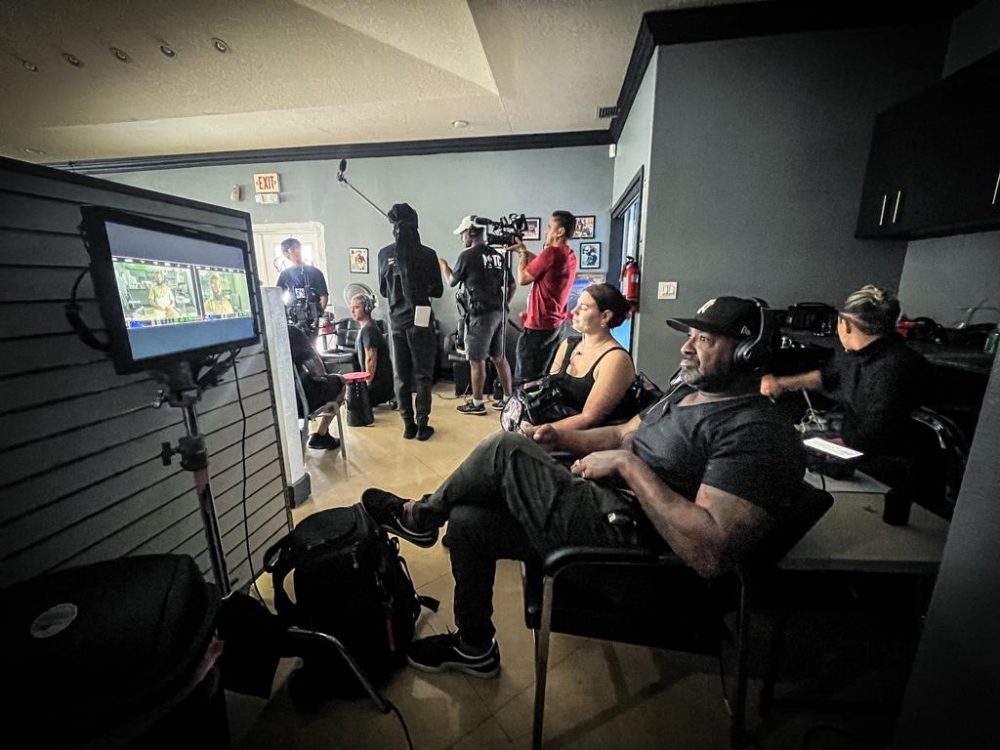
Why are brands shifting toward documentary-style storytelling?
Brands are adapting to changing audience expectations. Today’s viewers are highly aware of marketing strategies and often approach traditional advertising with skepticism. They want transparency and meaningful content that feels credible.
Documentary-style storytelling provides a way to communicate without appearing overly promotional. Instead of telling audiences what to think, brands show real situations and allow viewers to form their own impressions.
This shift from persuasion to observation creates a sense of trust. When people feel they are seeing reality rather than messaging, they engage more openly and more deeply.
How does documentary storytelling build trust with audiences?
Trust develops when audiences perceive honesty and transparency. Documentary-style films allow viewers to see what happens behind the scenes how people work, how decisions are made, and how real experiences unfold.
This visibility removes distance between the brand and the audience. Instead of presenting a controlled image, the organization allows its reality to be seen.
When viewers witness authentic moments genuine reactions, unscripted interactions, and real environments they feel confident that the brand is not hiding behind carefully crafted messaging. This openness strengthens credibility and fosters long-term trust.
 Why do audiences connect more emotionally with documentary-style films?
Emotion is rooted in human experience. Documentary storytelling centers on people their challenges, achievements, growth, and transformation. These experiences are inherently relatable.
When viewers see real individuals navigating meaningful situations, they recognize emotions that feel familiar and genuine. This emotional recognition creates empathy, which strengthens engagement.
Unlike traditional marketing that often focuses on features or outcomes, documentary storytelling reveals journeys. It shows progress over time, obstacles overcome, and tangible change. These narrative elements naturally evoke emotional response.
Emotional engagement makes stories more memorable and meaningful, which is why documentary-style films resonate so strongly.
How do documentary-style films help brands communicate their purpose?
Many organizations today emphasize purpose the values that guide their decisions and actions. However, purpose can be difficult to communicate through statements alone.
Documentary storytelling makes purpose visible. Instead of describing what a brand believes, it shows how those beliefs shape real-world outcomes.
Viewers can see how employees act, how communities are impacted, and how initiatives unfold in practice. This visual evidence transforms abstract values into concrete experiences.
Purpose becomes something audiences can witness rather than something they are asked to accept.
Are documentary-style films only useful for socially driven brands?
Not at all. While documentary storytelling is especially effective for organizations focused on social impact, it is valuable for any brand that wants to communicate authenticity, expertise, or meaningful influence.
Documentary-style films can explore innovation, craftsmanship, workplace culture, customer experiences, or industry transformation. Any situation where real experiences reveal deeper insight can benefit from documentary storytelling.
The format is flexible because it focuses on truth and human perspective, which exist in every industry.
How do documentary-style films differ from traditional promotional videos?
Traditional promotional videos are typically structured to deliver specific messaging quickly and clearly. They often use scripted narration, controlled visuals, and direct calls to action.
Documentary-style films take a different approach. They prioritize exploration rather than presentation. Instead of controlling every element, they allow real situations to unfold naturally.
This creates a narrative that feels less like advertising and more like storytelling. The audience experiences the story rather than receiving a message.
The difference lies not only in style but in intention. Documentary storytelling seeks understanding and connection rather than immediate persuasion.
Why are documentary-style films effective for long-term brand strategy?
Short-form marketing campaigns often have limited lifespan. They are designed for specific promotions or time-sensitive messaging. Documentary-style films, however, capture stories that remain meaningful over time.
Because they focus on real experiences and enduring themes, these films can continue engaging audiences long after initial release. They become part of the brand’s narrative history.
This longevity makes documentary storytelling a strategic asset rather than a temporary communication tool.
How do documentary-style films strengthen brand identity?
Brand identity is shaped by the stories audiences associate with an organization. Documentary storytelling captures moments that reveal how a brand behaves, what it prioritizes, and how it interacts with people.
These stories create a narrative framework that defines the brand’s character. Over time, consistent storytelling reinforces that identity and makes it more recognizable.
Instead of relying solely on visual design or messaging, documentary films build identity through lived experience.
Do documentary-style films influence audience perception differently than advertising?
Yes. Advertising often aims to persuade directly, which can sometimes create resistance if audiences feel they are being sold to. Documentary storytelling invites observation, which reduces defensiveness.
When viewers feel they are discovering information rather than receiving messaging, they are more receptive. They interpret the story on their own terms, which increases trust and acceptance.
This shift in perception makes documentary-style content especially powerful for shaping long-term brand reputation.
How do brands typically use documentary-style films?
Organizations use documentary storytelling in many ways across communication channels. These films may support brand storytelling campaigns, internal culture initiatives, audience education, or community engagement.
They are often integrated into digital platforms, live presentations, and long-term narrative strategies. Because the content is adaptable, it can be shared in multiple formats and contexts.
Common uses include:
- Communicating mission and values
- Showcasing real-world impact
- Strengthening audience relationships
This versatility makes documentary storytelling highly practical as well as emotionally powerful.
 Why is authenticity such an important factor in modern brand communication?
Audiences today have access to vast amounts of information and are skilled at recognizing messaging that feels overly controlled. Authenticity signals honesty and builds confidence.
When a brand communicates authentically, it demonstrates respect for its audience’s intelligence and awareness. It shows willingness to present reality rather than illusion.
Documentary storytelling naturally supports authenticity because it relies on real experiences rather than constructed narratives.
Can documentary-style films influence internal company culture?
Yes, and often in profound ways. When employees see authentic stories that reflect their work and impact, it reinforces shared purpose and identity.
Documentary storytelling helps teams understand how their efforts contribute to broader goals. It creates pride, alignment, and motivation by making impact visible from within the organization.
This internal engagement can be just as valuable as external audience connection.
Why are documentary-style films becoming more common across industries?
The rise of documentary storytelling reflects broader cultural change. Audiences increasingly seek meaning, transparency, and emotional connection in the content they consume.
Brands that adapt to these expectations remain relevant. Documentary-style films offer a way to communicate with depth and sincerity in a media environment often dominated by rapid, surface-level messaging.
As attention spans fragment, meaningful storytelling becomes a powerful differentiator.
What is the biggest advantage of documentary-style storytelling for brands?
The greatest advantage is the ability to create genuine connection. Documentary storytelling transforms communication from transactional to relational.
Instead of simply delivering information, it invites audiences to experience reality alongside the brand. This shared experience builds empathy, trust, and long-term engagement.
Connection is the foundation of loyalty, and documentary storytelling fosters that connection naturally.
 Will documentary-style films continue growing in importance?
All indicators suggest that they will. As audiences continue prioritizing authenticity and meaningful content, brands will need communication strategies that reflect those values.
Documentary storytelling aligns perfectly with this direction. It offers depth in a fast-moving media landscape and honesty in an environment often shaped by promotion.
The demand for genuine stories is unlikely to diminish which means documentary-style filmmaking will remain highly relevant.
Final Thoughts: Why Documentary Storytelling Defines Modern Brand Communication
Documentary-style films represent more than a creative trend. They reflect a fundamental shift in how brands relate to audiences moving from messaging to meaning, from promotion to authenticity, from presentation to experience.
At Global Filmz Studios, we believe the growing investment in documentary storytelling is a direct response to what audiences truly want: transparency, emotional connection, and real-world insight. Brands that embrace this approach are not just communicating they are building relationships grounded in trust and understanding.
As communication continues to evolve, documentary-style filmmaking stands out as one of the most powerful ways brands can share who they are, what they believe, and how they make a difference in the world.
Recent Comments