

Producing a documentary film is a structured yet dynamic process that unfolds over multiple phases. While audiences experience the final story in a seamless viewing journey, the path from idea to completed film involves careful planning, strategic execution, and detailed refinement at every stage.
At Global Filmz Studios, documentary production is approached as a timeline-driven creative process. Each phase builds on the previous one, guiding the project from initial concept through filming, editing, and final release. Understanding this timeline is essential for anyone involved in documentary filmmaking from creators and collaborators to stakeholders and participants.
This guide explores the complete documentary production timeline, explaining what happens from pre-production to post-production and why every phase plays a vital role in bringing real stories to the screen.

The Importance of a Structured Documentary Production Timeline
Documentary filmmaking captures real life, but the process of producing a documentary must be carefully organized. A structured timeline ensures that creative goals remain clear, production activities stay coordinated, and the storytelling process unfolds efficiently.
Unlike scripted productions, documentaries often involve unpredictable variables. People, locations, and events evolve naturally, which means planning must balance structure with adaptability. A well-designed timeline provides direction while allowing flexibility when real-world conditions change.
Without a clear timeline, projects can lose focus, production may become inefficient, and storytelling continuity may suffer. With a structured approach, each stage supports the next, creating a smooth transition from concept to completion.
Pre-Production Phase: Laying the Creative and Strategic Foundation
Pre-production is the first major stage in the documentary timeline. It is where ideas are clarified, research is conducted, and logistical preparation takes place before filming begins.
This phase begins with defining the documentary’s purpose. The creative team identifies the central message, the themes that will shape the narrative, and the audience the film is meant to reach. Establishing this foundation ensures that every later decision aligns with the same storytelling objective.
Research is a core component of pre-production. Understanding the subject deeply allows filmmakers to capture meaningful moments rather than simply recording surface-level observations. Background context, timelines, and key contributors are identified during this period.
Planning logistics is another major focus. Filming locations are evaluated, schedules are developed, and necessary permissions are arranged. Because documentaries often take place in real environments, preparation must account for access, timing, and environmental conditions.
Visual and stylistic direction is also established. The team determines how the story will be presented visually, whether through observational filming, interviews, or cinematic storytelling techniques.
Pre-production concludes when the project has a clear roadmap that guides filming and ensures the production team is fully prepared.
Story Development Timeline Within Pre-Production
Story development is not a single step but an ongoing process that evolves throughout pre-production. During this time, filmmakers shape how information, events, and perspectives will connect to form a coherent narrative.
Rather than writing a fixed script, documentary storytelling relies on a flexible framework. This framework identifies potential story arcs, emotional progression, and thematic focus while leaving room for discoveries that may occur during filming.
Story development ensures that production remains intentional. It prevents the collection of unnecessary footage and helps guide interview questions, filming priorities, and narrative direction.
Even though the story may evolve later, the groundwork laid during this stage provides clarity and purpose.
Production Phase: Capturing Real-Life Events and Experiences
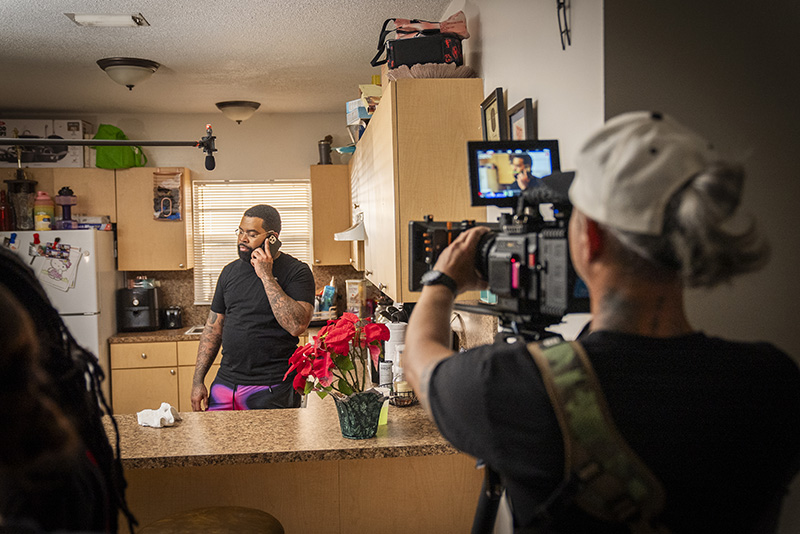
Production is the stage where filming takes place. Cameras, audio equipment, and production teams move into real environments to capture the people, places, and events that form the documentary’s content.
Unlike scripted productions, documentary filming is shaped by real-life conditions. Schedules may shift, events may unfold unexpectedly, and subjects may respond in unpredictable ways. Because of this, the production timeline must remain flexible.
Filmmakers capture planned material such as interviews and key environments while remaining attentive to spontaneous moments that reveal authenticity. These unscripted moments often provide the emotional depth that makes documentaries compelling.
Production may occur continuously or in intervals depending on the nature of the story. Some documentaries document specific events over a short period, while others follow subjects or developments over extended timeframes.
Throughout production, footage is reviewed regularly to ensure that essential story elements are being captured. This ongoing evaluation helps prevent gaps that could affect narrative clarity later.
Production ends when the story has been sufficiently documented and the creative team is confident that the material needed for storytelling has been captured.
Footage Organization and Review Phase
After filming, documentary production enters a transitional period focused on organizing and reviewing recorded material. This phase is essential because documentaries often generate large volumes of footage across multiple locations and time periods.
Every recorded segment must be cataloged and labeled to ensure it can be easily located during editing. Without systematic organization, valuable moments may be overlooked or difficult to retrieve.
Reviewing footage also allows filmmakers to identify emerging themes, emotional highlights, and narrative connections. The story often begins to take clearer shape during this stage, as patterns become visible across recorded material.
This review period bridges the gap between production and post-production, preparing the creative team to construct the film’s final structure.
Post-Production Phase: Transforming Footage Into Story
Post-production is where the documentary is shaped into its final form. This phase focuses on constructing narrative flow, refining technical elements, and enhancing the viewing experience.
Editing is the central activity during post-production. Recorded material is reviewed, selected, and arranged into a sequence that guides the audience through the story logically and emotionally.
Documentaries often discover their final structure during editing. Scenes are rearranged, themes are clarified, and pacing is refined to create engagement and coherence.
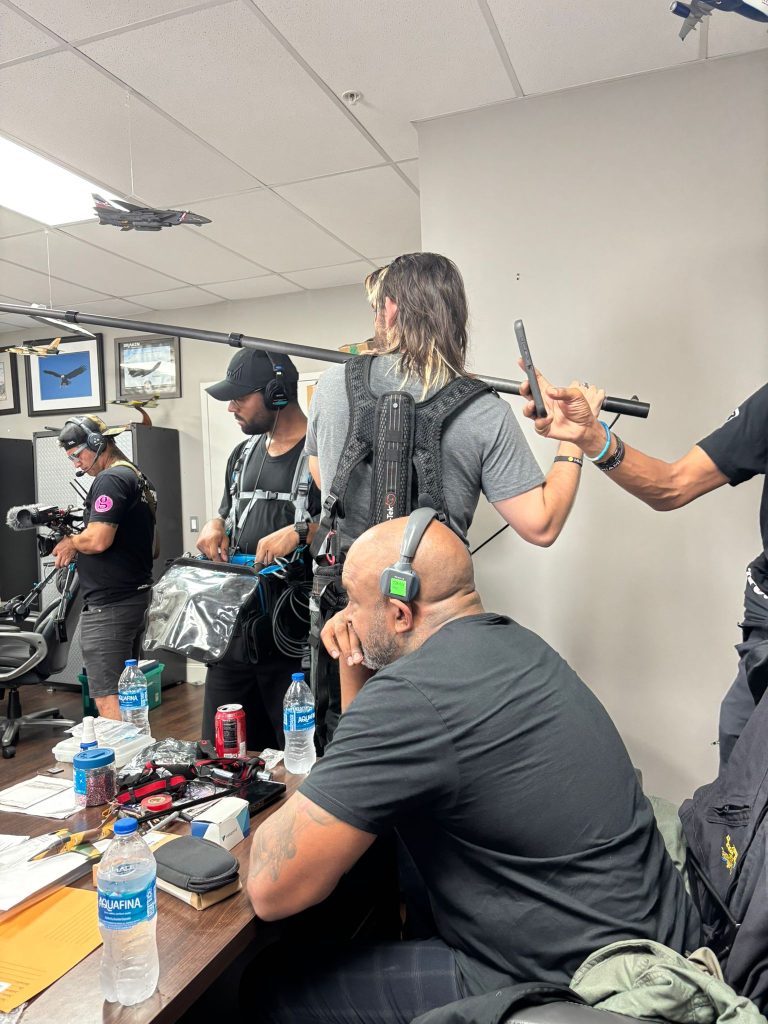
Once the narrative structure is established, sound and visual refinement begin. Dialogue is balanced and clarified, environmental audio is layered to create immersion, and visual consistency is achieved across different filming conditions.
Music and sound elements may be integrated to support emotional tone without overshadowing authenticity.
Post-production concludes when the documentary communicates its story clearly and cohesively from beginning to end.
Finalization Phase: Preparing the Documentary for Release
Once editing and refinement are complete, the documentary enters final preparation. This phase ensures that the film is technically ready for presentation and that every detail meets professional standards.
Quality review is conducted to confirm visual clarity, sound consistency, and narrative pacing. Adjustments are made if necessary to ensure the viewing experience is seamless.
Distribution preparation may also take place during this stage. This includes planning how the film will reach audiences and ensuring it is formatted appropriately for its intended release environment.
The finalization phase marks the transition from production work to audience experience.
How the Full Documentary Timeline Connects Each Stage
Although documentary production is divided into phases, the timeline functions as a continuous progression. Each stage supports the next, creating a cohesive workflow that guides the project from idea to completion.
The major phases typically unfold in this sequence:
- Pre-production planning and research
- Filming and production
- Footage organization and review
- Post-production editing and refinement
- Final preparation and release
This structured progression ensures that the documentary develops logically while remaining responsive to real-world events.
Why Flexibility Is Essential Throughout the Timeline
Documentary filmmaking depends on reality, and reality rarely follows a predictable schedule. Events evolve, access changes, and new perspectives emerge.
Flexibility allows filmmakers to respond to these changes without losing narrative focus. While the timeline provides structure, adaptability ensures authenticity.
Balancing preparation with responsiveness is one of the defining characteristics of successful documentary production.
The Role of Timeline Planning in Storytelling Quality
A well-managed timeline protects storytelling quality. It ensures that important moments are captured, narrative clarity is maintained, and technical standards remain consistent.
Timeline planning also supports creative decision-making. Knowing when each phase begins and ends allows filmmakers to allocate attention appropriately and maintain momentum throughout production.
Effective time management is not just logistical it is a creative advantage.
Final Thoughts: The Complete Documentary Production Journey
Producing a documentary film is a gradual and carefully structured process that unfolds from preparation through completion. Each stage contributes to shaping real-life experiences into meaningful cinematic storytelling.
At Global Filmz Studios, the documentary timeline is more than a schedule it is a creative framework that guides every project from concept to screen with intention and precision.
When each phase is thoughtfully managed, the result is a documentary that feels cohesive, authentic, and impactful a story that not only captures reality but presents it with clarity, purpose, and lasting significance.
Q&A on the Timeline for Producing a Documentary Film (Pre to Post)
Creating a documentary is a journey that blends research, storytelling, technical craft, and emotional truth. At Global Filmz Studios, we guide every project from the earliest spark of an idea to the final polished film ready for audiences. While every documentary has its own rhythm, there is a clear timeline that shapes how a concept transforms into a finished production.
In this Q&A guide, we walk you through the complete documentary production timeline from pre-production to post-production and explain how each stage contributes to a powerful and cohesive film.
What Are the Main Stages in a Documentary Production Timeline?
Every documentary moves through three core phases: pre-production, production, and post-production. These stages form the structural backbone of the filmmaking process.
Each phase builds on the previous one. Strong planning leads to efficient filming, and thoughtful filming leads to impactful editing. When these stages work together seamlessly, the final film feels purposeful, immersive, and authentic.
At Global Filmz Studios, we treat the timeline not as a rigid checklist but as a guided creative framework. It ensures nothing essential is overlooked while leaving room for discovery and spontaneity both of which are vital to documentary storytelling.
How Long Does Pre-Production Usually Take?
Pre-production is often the most underestimated phase, yet it is one of the most important. This is where the foundation of the entire documentary is built.
During pre-production, we clarify the story, identify key voices, secure access to locations, and design the visual and narrative approach. The goal is to enter production fully prepared not just technically, but creatively.
The duration of pre-production depends on the complexity of the subject. A documentary centered on a single individual may require a shorter preparation period, while investigative or historical projects often require extensive research and planning.
Regardless of scope, we approach pre-production as the stage where the film truly takes shape. It’s where vision becomes structure.
Read More
Concept development is the starting point of the documentary timeline. It’s where ideas are explored, refined, and shaped into a compelling narrative direction. We begin by identifying the core message of the film. What story needs to be told? Why does it matter now? Who will connect with it? This stage often involves early research, exploratory conversations, and creative brainstorming. We evaluate the emotional center of the story and determine how it will unfold visually and narratively. By the end of concept development, the documentary has a clear identity its purpose, tone, and storytelling approach are defined. Research gives documentaries their depth and credibility. It ensures the story is grounded in truth while also revealing layers that make the narrative meaningful. At Global Filmz Studios, research is not just about gathering information. It is about understanding context, perspective, and human experience. It helps us identify the most compelling angles, uncover hidden connections, and prepare thoughtful interview questions. Strong research also prevents costly production challenges. When we understand the subject thoroughly, we can anticipate logistical needs, narrative structure, and visual opportunities before filming begins. Story development transforms raw information into narrative structure. This is where we determine how the documentary will unfold from beginning to end. We map out key themes, emotional beats, and story arcs. Even though documentaries capture real events, storytelling still requires intentional structure. Viewers need progression, tension, and resolution. During story development, we also consider visual storytelling. How will scenes be captured? What environments will support the narrative? What emotional tone should the cinematography convey? By the time production begins, the documentary has a clear storytelling roadmap. Preparation for filming involves both creative and logistical coordination. Every detail must be aligned to ensure production runs smoothly. This preparation typically includes: Thorough preparation allows filming to remain focused on capturing authentic moments rather than solving preventable problems. Production is the stage where planning meets reality. It is when the documentary is physically captured interviews recorded, scenes filmed, and real-world moments documented. This phase requires flexibility. Even with careful planning, documentaries often reveal unexpected developments. New perspectives emerge, emotional moments unfold, and the story may evolve in surprising ways. At Global Filmz Studios, we approach production as both structured and responsive. We follow the plan while remaining open to discovery. Some of the most powerful documentary moments happen when reality exceeds expectations. Interviews are often the emotional core of a documentary. They provide firsthand insight, personal experience, and authentic voice. Our interview approach is designed to create comfort and trust. When participants feel at ease, their stories become more honest and expressive. We carefully consider setting, lighting, framing, and tone to ensure interviews feel natural while maintaining visual consistency with the film’s style. More importantly, we listen. Documentary storytelling depends on genuine human expression, and meaningful interviews emerge from thoughtful conversation rather than rigid questioning. In addition to interviews, production captures visual storytelling elements that support the narrative. These may include observational footage, environmental scenes, and contextual visuals. This footage helps audiences experience the world of the documentary rather than simply hearing about it. It adds atmosphere, realism, and emotional depth. Production is not just about recording events it is about building visual language that communicates meaning beyond words. When filming ends, the documentary enters post-production the phase where the story is shaped into its final form. This stage is where raw footage becomes a cohesive narrative. Editing, sound design, visual refinement, and narrative pacing all come together to create the finished film. Post-production is often where the documentary truly finds its voice. Editing is where storytelling becomes precise and intentional. Hours of footage are carefully reviewed, selected, and arranged to form a clear and engaging narrative. During editing, we evaluate: Editing is both technical and creative. It requires structure, intuition, and storytelling sensitivity. At Global Filmz Studios, we treat editing as a discovery process. Sometimes the story reveals new meaning once footage is assembled. We refine until the narrative feels both truthful and compelling. Sound design shapes how audiences experience the film emotionally. It includes dialogue clarity, environmental sound, and musical elements that support tone and pacing. Careful sound work can intensify emotion, create atmosphere, and guide viewer attention. Even subtle adjustments can transform how a scene feels. Sound design ensures the documentary is immersive, balanced, and engaging from beginning to end. Visual refinement enhances consistency and mood. This includes color balancing, image correction, and stylistic adjustments that unify the film’s look. Visual consistency helps maintain immersion. It ensures that scenes filmed at different times or locations feel cohesive when viewed together. These refinements give the documentary its final cinematic polish. A documentary is complete when its story feels clear, emotionally resonant, and technically refined. Every element visual, narrative, and auditory must work together seamlessly. Completion is not just about finishing edits. It is about achieving storytelling clarity and emotional impact. At Global Filmz Studios, we finalize a documentary only when it fully reflects the original vision while honoring the authenticity of the story captured. The production timeline ensures that creativity and organization work in harmony. Each phase supports the next, creating a natural progression from concept to completion. Without structure, important details can be overlooked. Without flexibility, authentic storytelling can be lost. The timeline balances both. It allows documentaries to be thoughtfully planned, carefully captured, and skillfully refined. A structured timeline improves storytelling by giving each creative decision the attention it deserves. Research becomes deeper, filming becomes more intentional, and editing becomes more precise. When every stage is given space to develop fully, the final documentary feels cohesive and purposeful. Structure does not limit creativity it strengthens it. While the overall framework remains consistent, each documentary has its own pace and complexity. Subject matter, location access, storytelling depth, and participant availability all influence timing. Some documentaries evolve gradually over extended filming periods. Others unfold within concentrated production windows. At Global Filmz Studios, we adapt the timeline to serve the story never the other way around. No single phase is more important than the others. Each stage plays a vital role in shaping the final film. Pre-production provides direction. Together, they form a continuous creative process. Our process is built on planning, communication, and creative alignment. Every stage is carefully coordinated while remaining adaptable to real-world developments. We focus on preparation without rigidity, structure without restriction, and storytelling without compromise. This balance allows each documentary to unfold naturally while maintaining professional precision. Producing a documentary is both an artistic and strategic journey. It requires curiosity, discipline, and a deep respect for real stories. The timeline from pre-production to post-production is not simply a sequence of steps it is the path through which ideas become experiences, and experiences become powerful visual narratives. At Global Filmz Studios, we view every documentary as a transformation from concept to screen, from raw truth to meaningful storytelling. And it all begins with understanding the timeline that brings it to life.What Happens During Concept Development?
Why Is Research So Critical in Early Production?
What Is Story Development in Pre-Production?
 How Do You Prepare for Filming?
What Defines the Production Phase?
 How Are Interviews Conducted During Production?
What Other Footage Is Captured During Production?
What Happens Once Filming Is Complete?
Why Is Editing the Heart of Post-Production?
How Does Sound Design Enhance a Documentary?
What Visual Refinements Happen in Post-Production?
When Is a Documentary Considered Complete?
Why Is the Timeline So Important to Documentary Success?
How Does a Structured Timeline Improve Storytelling Quality?
What Makes Every Documentary Timeline Unique?
What Is the Most Important Phase of Documentary Production?
Production captures reality.
Post-production creates narrative meaning.How Does Global Filmz Studios Ensure a Smooth Production Timeline?
Final Thoughts: From Vision to Finished Documentary
Recent Comments