

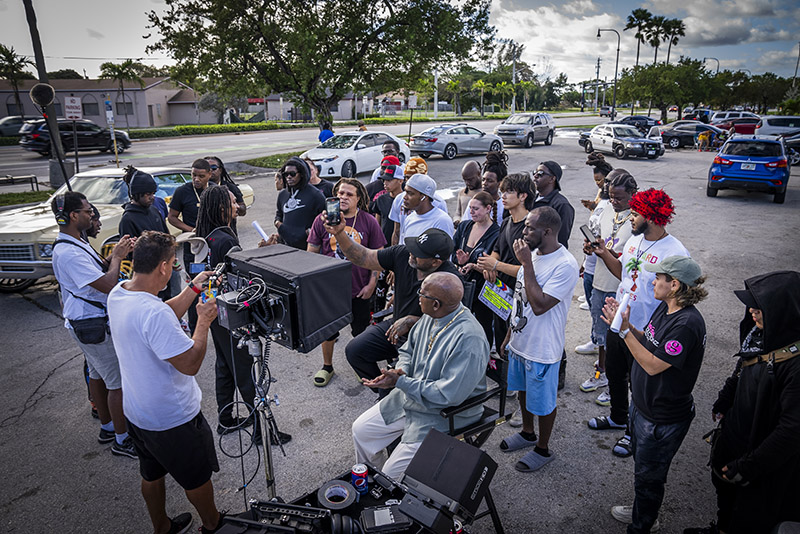
In today’s fast-moving communication landscape, organizations face an ongoing challenge: how to capture attention, build emotional connection, and inspire meaningful action. Traditional outreach methods often communicate information effectively, but they may not always create the depth of engagement needed to motivate long-term support.
That’s where documentary filmmaking becomes a transformative tool.
At Global Filmz Studios, we’ve seen firsthand how documentary storytelling can elevate fundraising efforts and expand awareness for important causes. When real stories are presented with authenticity and purpose, they do more than inform audiences — they invite them to connect, participate, and invest emotionally in a mission.
Documentary films are not simply visual content. They are powerful engagement tools that help organizations communicate impact, build trust, and inspire action in ways that traditional messaging cannot.
This article explores how documentary films support fundraising and awareness, why they are so effective, and how organizations can use them to create meaningful and lasting impact.
Why Documentary Films Are Powerful Communication Tools
Documentary storytelling stands apart from other forms of communication because it shows reality rather than describing it. Instead of presenting abstract ideas or general messages, documentaries reveal real people, real experiences, and real outcomes.
This visual and emotional immediacy makes complex issues easier to understand. Audiences don’t just learn about a cause they witness it. They see the environments, hear the voices, and experience the moments that define the story.
This level of immersion transforms passive viewers into emotionally engaged participants. When people feel connected to a story, they are more likely to remember it, discuss it, and respond to it.
For organizations focused on fundraising and awareness, this emotional engagement is invaluable. It creates the foundation for trust, empathy, and meaningful support.
The Emotional Connection That Drives Giving
Fundraising is not driven solely by logic. While facts and outcomes matter, people are often motivated by emotional connection. They give because they feel compelled to help, because they understand the human significance of an issue, or because they feel personally connected to a mission.
Documentary films create this emotional connection in a powerful and authentic way.
When viewers witness real individuals facing challenges or experiencing change, they begin to see the cause through a human lens. The story becomes personal rather than distant. Viewers can imagine themselves in the situation, understand the stakes, and feel the importance of action.
This emotional resonance encourages generosity, participation, and long-term commitment. Documentary storytelling helps people move from awareness to empathy and empathy is what often leads to giving.
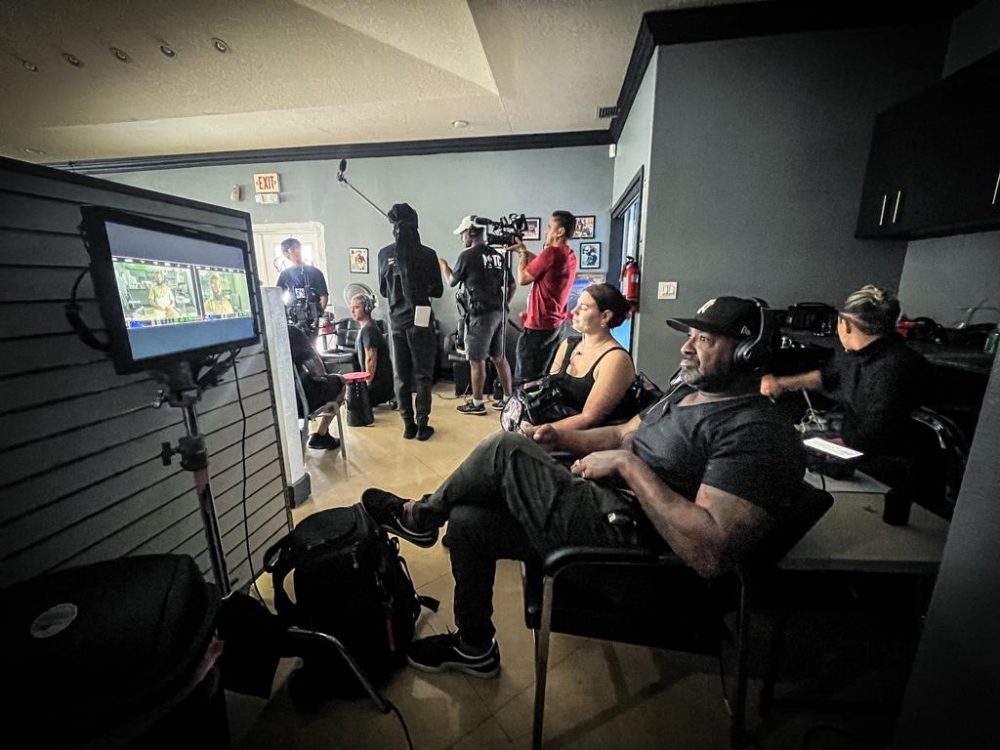
Building Trust Through Authentic Storytelling
Trust is essential for both fundraising and awareness. Supporters want to know that the organizations they engage with are transparent, credible, and genuinely committed to their mission.
Documentary films help build this trust by showing real experiences without filters or exaggeration. When audiences see authentic environments, hear genuine voices, and observe real outcomes, they perceive honesty and accountability.
This transparency strengthens credibility. Supporters feel confident that they understand the work being done and the impact being created.
Authenticity also communicates respect respect for the people whose stories are being told and for the audience receiving the message. This respect fosters deeper connection and long-term trust.
Turning Awareness Into Meaningful Engagement
Raising awareness is often the first step toward building support, but awareness alone is not enough. Organizations need audiences to care, respond, and remain involved over time.
Documentary films create awareness that feels meaningful because they present context, emotion, and lived experience together. They help viewers understand not only what is happening, but why it matters and how it affects real lives.
When awareness is emotionally grounded, it becomes more memorable and more motivating. Viewers are more likely to seek additional information, share the story with others, or take steps to support the cause.
In this way, documentary storytelling transforms awareness into engagement and engagement is the bridge to action.
Strengthening Fundraising Campaigns With Visual Impact
Fundraising campaigns often rely on messaging that explains goals, highlights needs, and communicates outcomes. Documentary films enhance these campaigns by providing visual evidence of impact.
Instead of describing a situation, organizations can show it. Instead of summarizing results, they can demonstrate transformation. This visual clarity strengthens understanding and reinforces credibility.
Documentary storytelling also helps create emotional continuity throughout a campaign. The story becomes a central narrative that supporters can follow, revisit, and share.
When fundraising is supported by compelling visual storytelling, communication becomes more persuasive, more memorable, and more impactful.

Humanizing Data and Outcomes
Many organizations rely on data to communicate success and progress. While data is essential for accountability, numbers alone rarely capture the full human significance of a cause.
Documentary films humanize outcomes by showing the people behind the statistics. They reveal how programs affect daily life, how communities evolve, and how change unfolds over time.
This human perspective helps audiences understand the real meaning behind measurable results. It connects abstract metrics to lived experience.
When supporters see the human dimension of impact, they gain a deeper appreciation for the importance of the work being done.
Expanding Reach Through Story Sharing
Documentary films are highly adaptable communication tools. They can be shared across digital platforms, presented at events, integrated into presentations, and used in educational settings.
This flexibility allows organizations to extend the reach of their message across multiple audiences and environments. Each viewing becomes an opportunity for awareness to grow and for new supporters to engage.
Because documentaries are emotionally engaging, audiences are more likely to share them with others. This organic sharing expands visibility and introduces the cause to new communities.
Storytelling becomes a ripple effect one viewing leads to many.
Creating Long-Term Fundraising Assets
A documentary film is not a one-time communication piece. It is a long-term storytelling asset that can support fundraising and awareness efforts for years.
Organizations can revisit the film during campaigns, events, or outreach initiatives. They can use it to introduce new supporters to the mission or to reconnect existing supporters with the impact of their involvement.
The longevity of documentary storytelling makes it a sustainable communication investment. Its value continues to grow as the story reaches new audiences over time.
Supporting Community Engagement
Documentary films also strengthen relationships within the communities connected to a cause. When individuals see their experiences represented respectfully and authentically, they feel recognized and valued.
This representation fosters pride, trust, and shared ownership of the narrative. Community members often become advocates who help amplify the story and encourage broader support.
Community engagement is not only beneficial for awareness it strengthens the social foundation of fundraising by creating authentic networks of connection.

Enhancing Events and Presentations
Events play a major role in both fundraising and awareness initiatives. Documentary films add emotional depth and visual impact to these experiences.
Instead of relying solely on speeches or written materials, organizations can present immersive stories that immediately capture attention. Viewers enter the narrative together, creating a shared emotional experience.
This shared experience often leads to stronger engagement, deeper reflection, and more meaningful discussion.
Key Ways Organizations Use Documentary Films
Organizations typically integrate documentary storytelling into their outreach strategies in several impactful ways:
- Communicating mission and impact to supporters
- Enhancing fundraising campaigns and events
- Educating audiences about complex issues
- Building emotional connection with communities
Each of these applications strengthens awareness while supporting long-term engagement.
Aligning Storytelling With Mission and Values
For documentary filmmaking to be effective in fundraising and awareness, it must align closely with the organization’s mission and values. Authentic representation, respectful storytelling, and clear purpose are essential.
When the story reflects the true spirit of the organization’s work, audiences perceive integrity. This alignment strengthens trust and reinforces credibility.
Storytelling becomes an extension of the mission rather than a separate communication tool.
Inspiring Long-Term Support
One of the greatest strengths of documentary storytelling is its ability to create lasting emotional impressions. Viewers often remember the people, moments, and experiences they witness long after the film ends.
These lasting impressions influence how audiences think about the cause over time. They encourage continued engagement, ongoing conversation, and sustained support.
Fundraising is most effective when relationships are long-term. Documentary films help nurture those relationships by keeping the story alive in memory.
Why Organizations Partner With Global Filmz Studios
At Global Filmz Studios, we believe documentary storytelling should do more than communicate information it should create connection, inspire empathy, and amplify impact.
We work closely with organizations to develop films that reflect real experiences with authenticity and purpose. Our approach focuses on understanding each mission deeply so that every story is told with clarity, respect, and emotional depth.
By combining cinematic storytelling with strategic communication, we help organizations create documentaries that strengthen awareness, build trust, and support meaningful fundraising efforts.
Final Thoughts
Documentary films are among the most powerful tools available for fundraising and awareness because they connect people to reality in a deeply human way. They transform abstract issues into lived experiences, data into stories, and awareness into engagement.
Through authentic storytelling, organizations can build trust, inspire generosity, and expand their reach across communities and audiences. Documentary filmmaking does not simply communicate a mission it brings that mission to life.
At Global Filmz Studios, we believe that when real stories are shared with honesty and purpose, they create more than visibility. They create understanding, connection, and momentum for change.
FAQs on Using Documentary Films for Fundraising & Awareness
Organizations today face increasing pressure to communicate their mission clearly, emotionally, and authentically. Traditional messaging alone is no longer enough to inspire action, build trust, or drive meaningful engagement. Documentary filmmaking has emerged as one of the most powerful tools for fundraising and awareness because it combines storytelling, emotion, and real-world impact into a single compelling experience.
At Global Filmz Studios, we work closely with organizations that want more than visibility they want connection, credibility, and measurable change. Below, we answer the most common questions organizations ask when exploring how documentary films can support fundraising and awareness efforts.
What makes documentary films effective for fundraising and awareness?
Documentary films work because they communicate truth through story. Unlike traditional promotional content, documentaries focus on real people, real challenges, and real impact. This authenticity builds emotional trust, which is the foundation of donor engagement.
When audiences see genuine experiences unfold on screen, they don’t just understand an issue intellectually they feel it. That emotional connection motivates action, whether that action is donating, sharing, volunteering, or advocating.
Documentary storytelling also allows organizations to demonstrate outcomes rather than simply claim them. Instead of stating what you do, you show it. Instead of describing impact, you make audiences witness it.
This shift from explanation to experience is what makes documentaries uniquely powerful for awareness campaigns and fundraising initiatives.

Read More
People give when they feel emotionally invested. Documentary films create that investment by helping viewers form a personal connection with the cause. When potential supporters see individuals whose lives have been changed, challenges being overcome, or communities being transformed, the cause becomes tangible and human. Donors no longer see an abstract mission — they see people. This emotional clarity reduces hesitation and strengthens motivation. Support becomes a natural response rather than a requested favor. Documentaries also reinforce credibility. By presenting real stories and verifiable impact, organizations demonstrate transparency. Trust increases, and trust drives giving. Yes, and this is one of their greatest strengths. A well-crafted documentary functions on multiple levels. In the short term, it can anchor a campaign, launch an initiative, or support a specific fundraising event. It provides a powerful centerpiece that captures attention and motivates immediate response. In the long term, the same film becomes a lasting awareness asset. It can be used for presentations, digital campaigns, stakeholder engagement, educational outreach, and community partnerships. Rather than serving a single moment, documentary content continues building visibility and trust over time. Its value grows as it reaches new audiences in different contexts. The most effective stories are human-centered, emotionally authentic, and transformation-driven. Audiences respond most strongly when they see change before and after, struggle and progress, challenge and resolution. Powerful documentary storytelling often includes: Stories that show transformation help viewers understand how their involvement creates meaningful results. This sense of cause and effect strengthens motivation to give or participate. There is no single ideal length, because documentaries serve multiple purposes. What matters most is clarity of message and emotional engagement. Some organizations benefit from a primary documentary supported by shorter versions designed for different platforms. A longer film may provide depth and context, while shorter segments deliver quick emotional impact for digital campaigns or events. The key is strategic storytelling shaping content that meets audiences where they are while maintaining narrative consistency. Effective documentaries are not defined by duration but by emotional resonance and clarity of purpose. Live fundraising events provide a powerful setting for documentary storytelling. A well-timed screening can transform the emotional atmosphere of the room. Documentaries help audiences transition from passive attendees to emotionally engaged supporters. When viewers experience the mission firsthand through film, they become more receptive to calls for action. Organizations often use documentary films to: By aligning storytelling with the emotional flow of the event, documentary content strengthens engagement and increases participation. Absolutely. Digital environments are saturated with content, making emotional authenticity more important than ever. Documentary storytelling cuts through noise by offering depth and meaning. Online audiences respond strongly to real stories presented in visually engaging ways. Documentary content can be adapted for multiple digital formats, including campaign pages, social platforms, email outreach, and virtual events. Because documentary storytelling is inherently shareable, it expands reach organically. Supporters who feel emotionally connected are more likely to share the story, amplifying awareness far beyond the organization’s existing audience. Trust is built through transparency and authenticity. Documentary filmmaking allows organizations to open their world to viewers, showing how work is done, who is affected, and why it matters. Rather than presenting polished messaging alone, documentaries reveal real environments, real people, and real challenges. This openness strengthens credibility. When audiences feel they are seeing the truth not just hearing claims confidence grows. That confidence leads to stronger relationships, deeper loyalty, and sustained support. Trust is not built through persuasion. It is built through visibility. Documentary films provide that visibility. Yes. In fact, organizations at every stage can benefit from documentary filmmaking. Emerging organizations often face the challenge of building recognition and credibility. Documentary storytelling accelerates this process by introducing audiences directly to the mission, the people behind it, and the impact being created. For growing organizations, documentary films help communicate progress, demonstrate outcomes, and attract new supporters. For established organizations, documentaries reinforce legacy, highlight long-term impact, and deepen community engagement. The value lies not in organizational size but in the strength of the story being told. Emotion is the bridge between information and action. Awareness alone does not inspire change unless people feel personally connected to the issue. Documentary storytelling uses emotion to transform understanding into empathy. When viewers feel empathy, they become more attentive, more engaged, and more willing to act. Emotion also improves memory. People remember stories that move them. This makes documentary films especially effective for long-term awareness, because the message stays with audiences long after viewing. Emotion does not replace information it activates it. Clarity of purpose is essential. Every storytelling decision should reflect the organization’s values, goals, and voice. Before filming begins, organizations should define what they want audiences to understand, feel, and do. These intentions guide narrative structure, visual style, and messaging. Mission alignment also requires authenticity. Documentary storytelling should reflect the true spirit of the organization rather than attempting to mimic external trends or expectations. When the story genuinely represents the mission, audiences sense that integrity and respond to it. Authenticity comes from observation rather than persuasion. Documentary storytelling allows moments to unfold naturally, capturing real experiences instead of staged messaging. Authentic documentaries prioritize people over branding. They focus on lived experiences, emotional realities, and meaningful change. Promotional content tells audiences what to think. Documentary storytelling invites audiences to witness and decide for themselves. This distinction is subtle but powerful. When viewers feel they are discovering the story rather than being sold a message, engagement deepens. The impact of a documentary extends far beyond its initial release. Unlike single-use marketing materials, documentaries remain relevant as long as the story they tell continues to matter. Organizations often use documentary content repeatedly across different initiatives, campaigns, and communication channels. Each new viewing introduces the story to fresh audiences. Over time, the film becomes part of the organization’s identity a visual representation of purpose, impact, and values. This lasting relevance makes documentary filmmaking one of the most enduring communication investments available. The first step is identifying the story that best represents your mission and impact. Every organization has many stories, but not all carry the same emotional or strategic weight. Effective documentary storytelling begins by asking: Once the central narrative is defined, production becomes a process of bringing that story to life with clarity and emotional honesty. Audiences today seek authenticity, transparency, and meaning. They want to understand not only what organizations do, but why they do it and who is affected. Documentary films meet these expectations by providing depth, context, and emotional connection. They transform fundraising from transactional interaction into relational engagement. As communication environments grow more crowded, organizations that tell real stories stand out. Those stories build trust, inspire empathy, and motivate action. For this reason, documentary filmmaking is no longer simply a creative option it is becoming a strategic necessity for organizations that want to grow awareness and increase impact. Fundraising and awareness are ultimately about connection. People support causes they believe in, trust, and feel emotionally connected to. Documentary filmmaking creates that connection in a way few other communication tools can. By revealing real experiences and meaningful transformation, documentaries make missions visible and impact tangible. They help audiences understand not just what organizations do, but why their work matters. At Global Filmz Studios, we believe every organization with a meaningful mission has a story worth telling and when that story is told with authenticity and intention, it becomes a catalyst for awareness, engagement, and lasting support. Documentary storytelling does more than communicate a message. It invites people to care and caring is where real change begins.How do documentary films influence donor behavior?
Can documentary films support both short-term fundraising and long-term awareness?
What types of stories are most effective for fundraising documentaries?
How long should a fundraising documentary be?
How can documentary films be used during fundraising events?
Do documentary films work for digital fundraising campaigns?
How do documentary films build trust with supporters?
Can small or emerging organizations benefit from documentary storytelling?
 What role does emotion play in awareness campaigns?
How can organizations ensure their documentary aligns with their mission?
 What makes a documentary feel authentic rather than promotional?
How long does the impact of a documentary film last?
 What is the first step in creating a fundraising documentary?
Why are documentary films becoming essential for modern fundraising?
Final Thoughts: The Power of Story in Driving Change
Recent Comments