

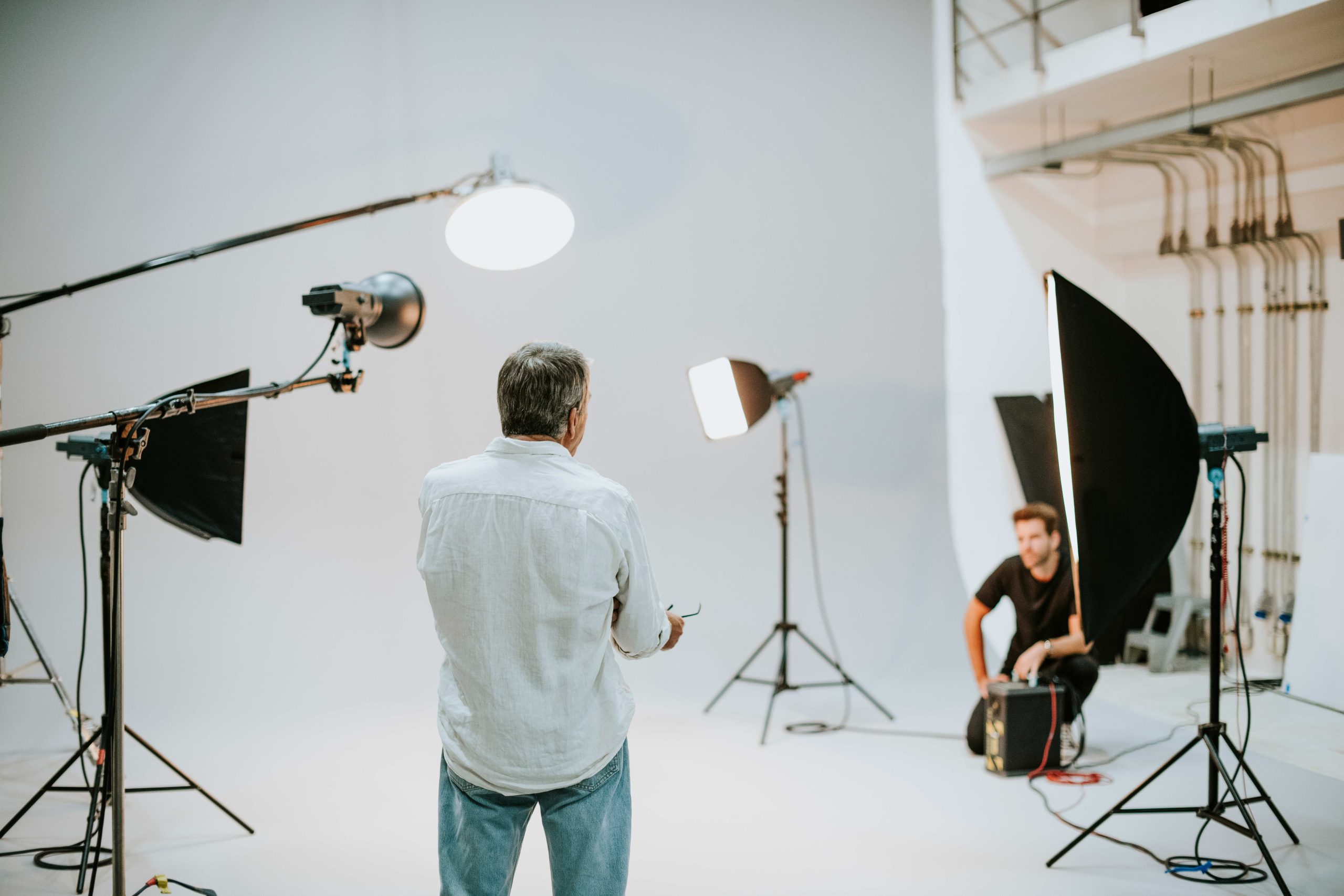
Documentary filmmaking is a powerful storytelling medium that captures real experiences, real people, and real events. While audiences often focus on the emotional and informational impact of documentaries, behind every finished film is a carefully structured production process that requires planning, resources, coordination, and strategic decision-making.
Understanding documentary production costs is not simply about budgeting — it is about aligning creative vision with practical execution. Every decision, from concept development to final editing, influences how resources are used and how effectively the story is told.
At Global Filmz Studios, we view documentary budgeting as a creative framework rather than a limitation. When filmmakers understand where resources are needed and why, they can make informed choices that strengthen storytelling while maintaining efficiency. This guide explores the key elements that shape documentary production costs and how thoughtful planning supports successful filmmaking.
Why Understanding Documentary Production Costs Matters
Many new filmmakers assume that documentaries are simple or inexpensive to produce because they capture real-life events rather than staged scenes. In reality, documentary production involves complex logistical and creative processes that require careful resource management.
Understanding production structure helps filmmakers:
- Plan effectively from concept to completion
- Allocate resources where they create the greatest impact
- Avoid unexpected challenges during filming or editing
- Maintain consistency and quality throughout production
When costs are understood conceptually not just financially filmmakers gain greater control over both the creative and practical aspects of their projects.
The Three Main Stages of Documentary Production
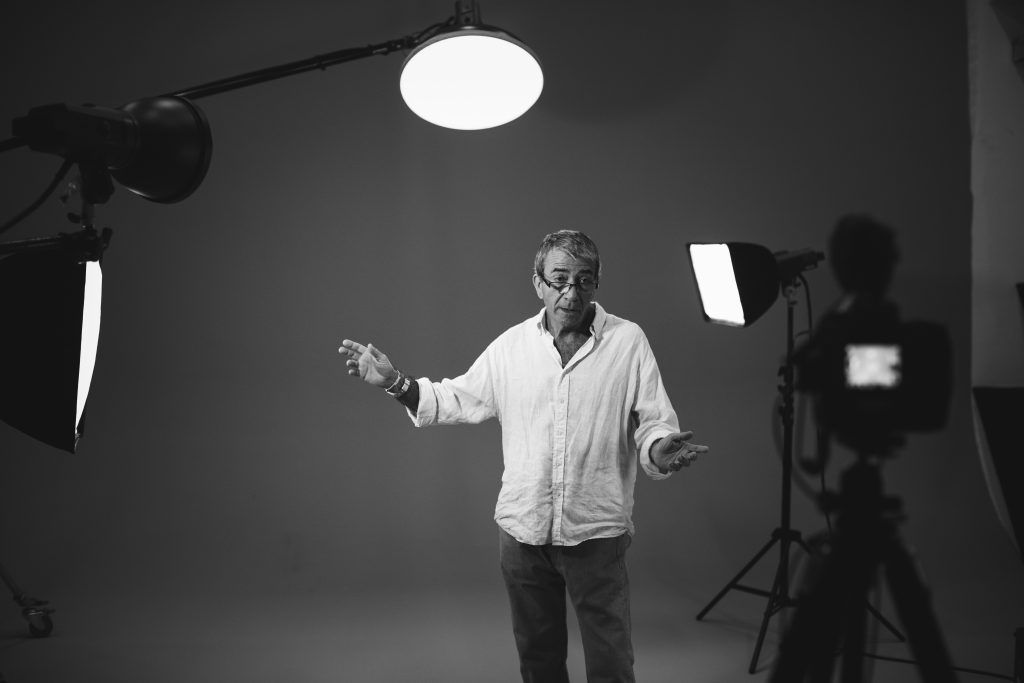
Documentary production costs are shaped primarily by three major phases: pre-production, production, and post-production. Each stage serves a distinct purpose and requires different types of resources.
Pre-production focuses on planning and preparation. Production captures the story visually and audibly. Post-production shapes the recorded material into a cohesive narrative.
Understanding how each phase functions helps filmmakers anticipate where time, effort, and resources will be concentrated.
Pre-Production: Planning the Documentary Foundation
Pre-production is one of the most important stages of documentary filmmaking because it establishes the structure that supports everything that follows. Strong preparation improves efficiency, reduces uncertainty, and helps ensure that filming proceeds smoothly.
During pre-production, filmmakers research the subject, define narrative direction, identify participants, select locations, and organize scheduling. Relationship building also plays a major role. Documentary subjects must feel comfortable and understood before filming begins.
The depth of research required can significantly influence planning needs. Some documentaries involve straightforward topics, while others require extensive investigation, archival exploration, or long-term observation.
Pre-production also includes creative planning. Filmmakers determine visual style, interview approach, storytelling structure, and overall tone. These decisions guide equipment needs, filming schedules, and editing strategies later in the process.
When pre-production is thorough, production becomes more focused and efficient.
Research and Story Development
Documentary storytelling begins with understanding. Research helps filmmakers explore context, verify information, and identify meaningful perspectives that shape the narrative.
Some projects involve historical exploration, while others follow contemporary experiences or evolving real-life situations. The scope of research influences the time and effort required to gather accurate and compelling material.
Story development also involves identifying narrative direction. Even though documentaries capture real events, they still require structure. Determining how the story unfolds helps guide interview questions, filming priorities, and editing decisions.
Clear narrative planning supports both creative clarity and production efficiency.
Production: Capturing Real Life on Camera
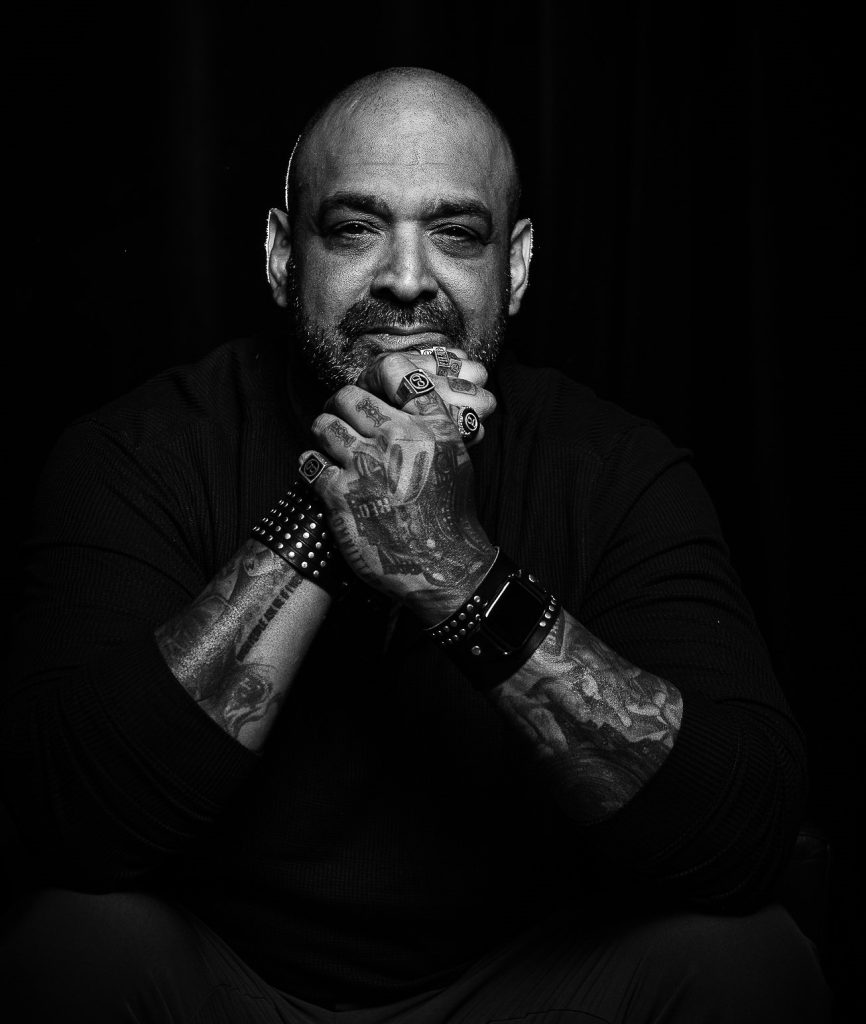
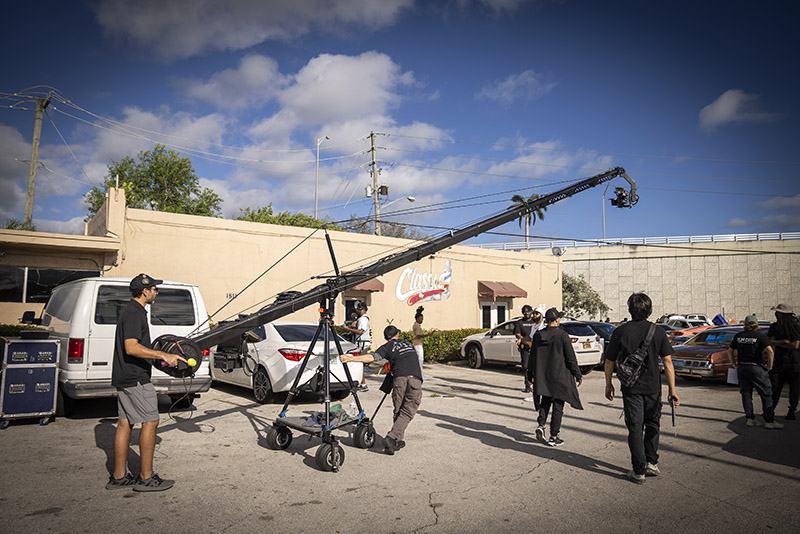
Production is the stage where planning becomes reality. Cameras, sound equipment, and creative direction come together to capture interviews, environments, and unscripted moments.
Unlike scripted filmmaking, documentary production must adapt to real-life conditions. Weather, location accessibility, subject availability, and unpredictable events can all influence how filming unfolds.
The complexity of filming depends heavily on the documentary’s scope. A project focused on a single subject in one environment may require a very different approach than a story that follows multiple individuals across various locations or time periods.
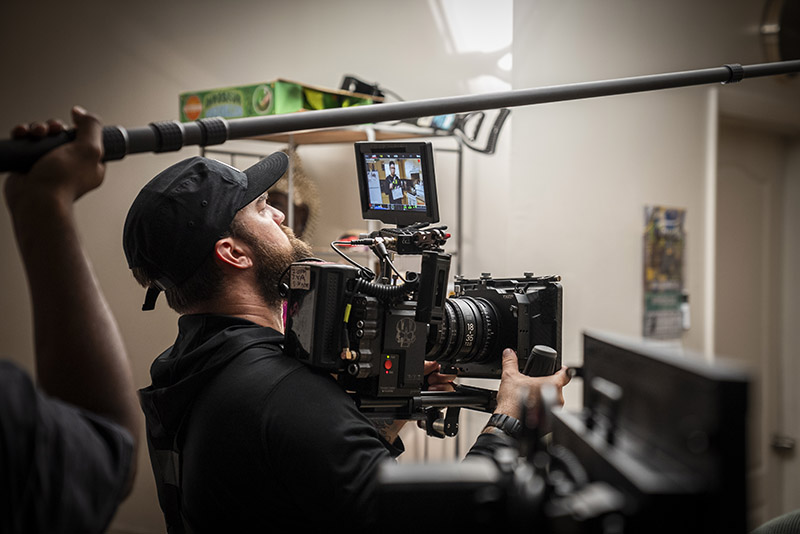
Production also involves technical coordination. Camera operation, sound recording, lighting control, and visual composition all contribute to storytelling quality. Capturing clear audio and meaningful visuals during filming reduces the need for extensive adjustments later.
Flexibility is essential during production. Real-life storytelling rarely follows a rigid schedule, and filmmakers must remain prepared to capture meaningful moments whenever they occur.
Interview Filming and Human Connection
Interviews are often central to documentary storytelling. They provide perspective, emotion, and firsthand insight that shape how audiences understand the narrative.
Creating a comfortable interview environment is essential. When subjects feel supported and respected, they share more openly and naturally. This emotional authenticity becomes one of the most valuable elements of the documentary.
Interview production involves both technical and interpersonal preparation. Lighting must be balanced, sound must be clear, and the setting must support focused conversation. At the same time, the filmmaker must listen attentively and guide discussion in a way that encourages meaningful reflection.
Location and Environmental Considerations
Documentaries often take place in real environments rather than controlled sets. Filming in natural locations enhances authenticity but also introduces logistical considerations.
Access, scheduling, environmental conditions, and visual composition all influence how filming is organized. Some locations require extended observation periods to capture meaningful activity, while others demand careful timing to record specific events.
Environmental sound, lighting variations, and spatial limitations also affect production planning. Preparing for these factors helps maintain consistency and quality throughout filming.
Equipment and Technical Preparation
Documentary filmmaking relies on specialized equipment to capture visuals and sound accurately. Camera systems, audio recording tools, stabilization devices, and lighting equipment all contribute to production quality.
The complexity of equipment needs depends on the documentary’s visual style and filming conditions. Some projects emphasize minimal intrusion to preserve natural behavior, while others require more structured technical setups.
Proper equipment preparation ensures that meaningful moments are captured clearly and reliably.
Post-Production: Shaping the Story
Post-production is where documentary storytelling truly takes form. Recorded footage is reviewed, organized, and shaped into a structured narrative that communicates meaning and emotional impact.
Editing involves selecting interview segments, arranging scenes, refining pacing, and creating transitions that guide viewers through the story. Sound design, music integration, and visual adjustments also enhance narrative flow.
Post-production often requires significant time because documentaries typically generate large amounts of raw footage. Identifying the most meaningful material and arranging it effectively requires careful creative judgment.
The goal of post-production is clarity, coherence, and emotional resonance.
Music, Sound Design, and Emotional Tone
Sound influences how audiences experience a documentary. Music and ambient audio shape emotional atmosphere, support narrative transitions, and enhance immersion.
Subtle sound design can create reflection, tension, or continuity depending on how it is used. Audio refinement ensures that dialogue remains clear while environmental sound supports realism.
These elements help transform recorded material into a cohesive cinematic experience.
Visual Refinement and Final Presentation
After editing is complete, visual refinement ensures consistency across the entire film. Color balancing, image stabilization, and clarity adjustments help maintain visual coherence.
Final presentation preparation ensures that the documentary is ready for viewing in its intended format. This stage focuses on polish, continuity, and overall viewing experience.
Attention to detail during final preparation strengthens the film’s impact and professionalism.
Factors That Influence Documentary Production Scope
Every documentary is unique, and several key factors influence how extensive the production process becomes.
Story complexity plays a major role. A personal portrait differs significantly from a large-scale investigation involving multiple perspectives and timelines.
Filming duration also affects production scope. Some stories unfold quickly, while others require long-term observation to capture meaningful development.
Geographic range can influence planning as well. Projects that involve multiple environments or travel require additional coordination compared to those centered in one location.
Technical style, narrative structure, and level of creative refinement all shape how resources are distributed throughout production.
Strategic Planning for Efficient Production
Thoughtful planning helps filmmakers balance creative ambition with practical execution. Clear priorities allow resources to be focused where they matter most storytelling quality, subject comfort, and narrative clarity.
Effective planning includes:
- Defining the core message of the documentary
- Identifying essential filming priorities
- Maintaining flexibility for real-life developments
Strategic thinking supports both creative excellence and production efficiency.
The Role of Experience and Creative Vision
Experience influences how smoothly documentary production unfolds. Familiarity with filming environments, storytelling techniques, and editing workflows helps filmmakers anticipate challenges and respond effectively.
Creative vision also shapes resource allocation. A clearly defined artistic direction ensures that every production decision supports narrative purpose.
When experience and vision work together, production becomes more focused and intentional.
Long-Term Value of Thoughtful Documentary Production
Documentary filmmaking is an investment in storytelling that preserves experiences, perspectives, and cultural understanding. The value of a documentary extends beyond its production process it continues to inform, inspire, and engage audiences long after completion.
Thoughtful production planning ensures that the final film communicates meaning clearly and authentically. Every stage of the process contributes to this lasting impact.
Final Thoughts From Global Filmz Studios
Understanding documentary production costs is ultimately about understanding the filmmaking journey itself. Every stage from early research to final editing requires careful planning, creative insight, and thoughtful resource management.
At Global Filmz Studios, we believe that strong preparation supports powerful storytelling. When filmmakers understand how production works structurally, they gain the freedom to focus on what matters most: capturing real experiences with authenticity, clarity, and emotional depth.
Documentary filmmaking is not defined by limitations it is defined by intention. With the right planning, vision, and commitment, every production decision becomes an opportunity to strengthen the story being told.
Q&A on Documentary Production Cost Guide
Documentary filmmaking is an exciting and meaningful creative process, but it also involves careful planning, coordination, and resource management. Many filmmakers, producers, and clients have questions about how documentary production costs are structured, what factors influence them, and how to plan effectively without compromising storytelling quality.
At Global Filmz Studios, we believe understanding the structure behind documentary production helps creators make confident, informed decisions. Production planning is not just about managing resources it is about supporting the creative vision, ensuring efficiency, and maintaining authenticity throughout the filmmaking journey.
This comprehensive Q&A addresses the most frequently asked questions about documentary production planning, helping you understand how resources are allocated and how each stage contributes to the final film.
What Does “Documentary Production Cost” Really Mean?
Documentary production cost refers to the overall resources required to plan, film, and complete a documentary. These resources include time, equipment, personnel coordination, creative development, and technical processes across every stage of production.
Rather than focusing on individual expenses, documentary production planning is best understood as a structured workflow. Each phase from concept development to final editing requires different levels of preparation, attention, and creative involvement.
When filmmakers understand this structure, they can allocate resources in ways that support storytelling quality and production efficiency.
Read More
Understanding production structure helps filmmakers avoid surprises and maintain creative control. Without clear planning, projects may face delays, incomplete footage, or narrative challenges during editing. When the production process is understood from the beginning, filmmakers can anticipate what is needed at each stage and prepare accordingly. This improves organization, reduces stress, and allows the creative team to focus on capturing meaningful content. Structured planning also helps ensure that the documentary remains aligned with its intended vision from start to finish. Documentary production is typically divided into three major phases: pre-production, production, and post-production. Each stage plays a unique role in shaping the final film. Pre-production focuses on preparation and planning. Production involves filming real-life material. Post-production shapes that material into a cohesive narrative. These stages work together to transform an idea into a completed documentary. Understanding how they connect helps filmmakers plan effectively and maintain consistency throughout the process. Pre-production is often the most influential stage because it establishes the foundation for everything that follows. Strong preparation improves efficiency, reduces uncertainty, and helps filmmakers capture the right material during filming. This stage typically includes research, story development, scheduling, location planning, and building relationships with documentary subjects. Each of these elements requires thoughtful coordination. When pre-production is thorough, production becomes more focused and post-production becomes more manageable. In many cases, time invested in preparation helps prevent complications later. Research helps filmmakers understand the full context of their subject. Whether exploring history, following personal experiences, or examining social issues, documentaries rely on accurate and meaningful information. Research shapes interview questions, filming priorities, and narrative direction. It helps identify key perspectives and ensures that the story is presented clearly and responsibly. The depth of research required varies depending on the documentary’s topic, but strong understanding always leads to stronger storytelling. Even though documentaries capture real events, they still require narrative structure. Story development involves identifying the central message, emotional progression, and overall direction of the film. When filmmakers know how the story will unfold, they can determine what footage is essential and what can be captured more flexibly. This clarity helps guide filming schedules, interview focus, and editing strategy. A well-developed story framework supports both creative expression and production efficiency. Production is when filmmakers capture interviews, environments, and real-life events on camera. This stage brings together technical preparation and creative observation. Unlike scripted filmmaking, documentary production must respond to real conditions. Events may change unexpectedly, and meaningful moments may appear without warning. Filmmakers must remain flexible and attentive. Production involves managing equipment, capturing clear sound, composing meaningful visuals, and maintaining comfortable environments for participants. Each of these elements contributes to the quality and authenticity of the final film. Interviews provide perspective, emotion, and firsthand insight. They allow audiences to hear directly from individuals who have lived the experiences being documented. Creating a supportive interview environment is essential. When subjects feel comfortable and respected, they share more openly and naturally. This emotional honesty becomes one of the most powerful elements of documentary storytelling. Interview production involves both technical preparation and human connection. Lighting, sound, and setting must support focused conversation while maintaining authenticity. Real-world locations enhance authenticity but also introduce logistical considerations. Access, timing, environmental conditions, and activity levels all affect filming strategy. Some locations require extended observation to capture meaningful moments. Others demand careful scheduling to record specific events. Environmental sound and lighting conditions also influence how filming is conducted. Planning for location variability helps maintain consistency and reduces unexpected challenges during production. Equipment supports the technical quality of the film. Cameras capture visual detail, microphones record clear dialogue, and lighting helps shape mood and visibility. The type of equipment used depends on the documentary’s style and filming environment. Some projects prioritize minimal intrusion to preserve natural behavior, while others require more structured setups. Proper equipment preparation ensures that important moments are captured clearly and reliably. Post-production is where the documentary takes its final shape. Filmmakers review recorded material, select meaningful content, and arrange scenes into a structured narrative. This process often requires significant time because documentaries generate large amounts of footage. Identifying the most impactful moments and organizing them effectively requires careful creative judgment. Post-production includes editing, sound design, music integration, visual refinement, and narrative pacing. Each element contributes to the overall viewing experience. Editing determines how audiences experience the story. It shapes emotional rhythm, clarifies meaning, and guides viewers through the narrative. Editors select interview segments, arrange visual sequences, and create transitions that support flow and continuity. The goal is to present real experiences in a way that is clear, engaging, and emotionally resonant. Editing is not about changing reality it is about presenting it thoughtfully. Music and sound design influence atmosphere and emotional tone. Subtle audio elements can create reflection, tension, or continuity depending on how they are used. Sound design also enhances realism. Environmental audio helps viewers feel immersed in the setting, while clear dialogue ensures that meaning is preserved. Together, sound and music help transform recorded footage into a cohesive cinematic experience. Several key factors shape how extensive documentary production becomes. These include story complexity, filming duration, geographic range, and narrative style. For example, a personal story filmed in a single location requires different planning than a project that follows multiple individuals across different environments over time. Some of the most influential factors include: Understanding these elements helps filmmakers plan effectively and maintain realistic expectations. Efficient planning begins with clarity of purpose. When filmmakers define their central message and narrative priorities, they can allocate attention and resources where they matter most. Strategic planning involves preparation, flexibility, and continuous evaluation. Filmmakers must remain open to real-life developments while maintaining focus on the story’s core direction. Balanced planning supports both creative vision and practical execution. Experience helps filmmakers anticipate challenges, adapt to changing conditions, and make informed creative decisions. Familiarity with production workflows improves efficiency and reduces uncertainty. Experienced teams understand how to balance preparation with flexibility. They recognize meaningful moments quickly and know how to capture them effectively. Experience also strengthens storytelling judgment, which influences every stage of production. Thoughtful planning supports storytelling that is clear, authentic, and impactful. When production is organized effectively, the final documentary communicates meaning more powerfully and reaches audiences more successfully. A well-produced documentary continues to inform, inspire, and engage viewers long after completion. Its value extends beyond the production process itself. Documentary production planning is not simply about managing resources it is about creating the conditions that allow meaningful stories to be told with clarity and authenticity. Every stage of production contributes to the final narrative, and understanding this structure helps filmmakers make confident decisions. At Global Filmz Studios, we believe preparation and creativity work together. When filmmakers understand how production functions from beginning to end, they gain the freedom to focus on capturing real experiences with depth and purpose. Documentary storytelling is a process of discovery, observation, and thoughtful presentation. With careful planning and clear vision, every production decision becomes part of a larger goal sharing truth in a way that resonates with audiences and preserves meaningful human experience.Why Is It Important to Understand Documentary Production Structure?
 What Are the Main Stages That Influence Documentary Production Planning?
How Does Pre-Production Affect Overall Production Scope?
Why Is Research Such an Important Part of Documentary Planning?
How Does Story Development Influence Production Needs?
 What Happens During the Production Stage?
Why Are Interviews So Central to Documentary Production?
How Do Filming Locations Influence Production Planning?
What Role Does Equipment Play in Documentary Production?
Why Is Post-Production Often So Extensive?
How Does Editing Influence the Final Documentary?
What Is the Role of Music and Sound Design?
 What Factors Most Strongly Influence Documentary Production Scope?
How Can Filmmakers Plan Resources Efficiently?
Why Does Experience Matter in Documentary Production?
What Is the Long-Term Value of Thoughtful Production Planning?
Final Thoughts From Global Filmz Studios
Recent Comments