


Film festivals are one of the most powerful launching platforms available to documentary filmmakers. A strong festival strategy does more than secure screenings it builds credibility, expands industry connections, and sets the foundation for long-term distribution success.
At Global Filmz Studios, we help documentary filmmakers transform completed films into recognized works that gain visibility, momentum, and impact. A well-planned festival strategy is not about submitting everywhere and hoping for the best. It is about positioning your film deliberately, understanding the landscape, and creating a pathway that aligns with your documentary’s purpose and audience.
This guide explores how documentary filmmakers can build an effective film festival strategy that supports recognition, distribution opportunities, and long-term audience engagement.
Why Film Festivals Matter for Documentary Filmmakers
Film festivals serve as cultural gateways for documentary storytelling. They provide curated environments where audiences are highly engaged, industry professionals are actively searching for new work, and media attention is concentrated.
For documentary filmmakers, festivals offer far more than a screening opportunity. They provide validation. When a documentary is selected by a festival, it signals that the film has artistic, cultural, or social relevance. This recognition can shape how the film is perceived throughout its entire distribution journey.
Festivals also create momentum. A successful premiere generates press coverage, audience discussion, and industry interest. That momentum often leads to additional festival invitations, streaming consideration, or broadcast opportunities.
At Global Filmz Studios, we view film festivals as the strategic first stage of documentary visibility not the final destination.
Understanding the Film Festival Landscape
The global festival ecosystem is vast and diverse. Some festivals focus on artistic innovation, others highlight social issues, and many specialize in regional or thematic storytelling. Understanding this landscape is essential for effective submission planning.
Documentary filmmakers must recognize that not all festivals serve the same purpose. Some provide prestige and media attention. Others offer community engagement or niche audience access. Some are designed for industry networking, while others prioritize public screenings.
A thoughtful festival strategy begins with identifying where your documentary fits best. Consider the film’s tone, subject matter, cultural context, and intended audience. Aligning these elements with the right festivals significantly increases both acceptance and impact.
Submitting widely without strategic alignment often reduces effectiveness. Precision matters more than volume.
Defining Your Festival Goals Before Submitting
Before sending a single submission, documentary filmmakers must clarify their objectives. What do you want your festival run to achieve?
Your goals may include recognition, distribution opportunities, audience feedback, media exposure, or industry networking. Each objective influences which festivals you prioritize and how you plan your submission timeline.
A film seeking critical recognition may target highly selective festivals known for artistic prestige. A film focused on community impact may prioritize festivals with strong audience engagement. A documentary aiming for distribution exposure may seek festivals attended by industry decision-makers.
At Global Filmz Studios, we guide filmmakers to define success clearly before building their submission roadmap. When goals are defined early, every festival decision becomes more intentional.
Building a Strategic Festival Submission Plan
A structured submission plan is essential for maintaining control over your film’s release trajectory. Festival strategy involves timing, sequencing, and positioning not just participation.
Most successful documentary festival runs follow a layered approach. Filmmakers typically begin with highly visible festivals that generate recognition and press attention. From there, they expand into targeted regional or thematic festivals that sustain momentum and reach specialized audiences.
A strategic submission plan usually includes:
- Priority festivals aligned with premiere goals
- Secondary festivals that support audience growth
- Long-term festival opportunities that extend visibility
This structured approach ensures your film remains relevant across multiple stages rather than experiencing a single burst of exposure followed by silence.
Understanding Premiere Status and Why It Matters
Premiere status is one of the most important considerations in festival strategy. Many major festivals require that films have not screened publicly in certain regions or formats before their event.
Premiere categories may include world premieres, regional premieres, or national premieres. Each level carries different eligibility requirements and strategic implications.
Choosing where to premiere your documentary affects every subsequent submission. A prestigious premiere can elevate the film’s visibility and influence how other festivals perceive it.
For this reason, premiere planning should happen early. Filmmakers must decide which festival best aligns with their goals and reserve eligibility for that opportunity.
Global Filmz Studios helps filmmakers navigate premiere positioning carefully, ensuring their first public screening creates the strongest possible impact.
Crafting a Strong Festival Submission Package
Festival programmers review thousands of submissions. A compelling documentary is essential, but presentation also plays a major role in acceptance decisions.
A strong submission package communicates professionalism, clarity, and purpose. It should convey not only what the documentary is about, but why it matters and who it serves.
Your submission materials should include a concise synopsis, director’s statement, high-quality stills, and a polished trailer. Each element should reinforce the film’s identity and relevance.
Presentation shapes perception. Even a powerful documentary may be overlooked if its materials fail to communicate its significance effectively.
Timing Your Festival Run for Maximum Impact
Festival strategy is closely tied to timing. Submission windows, premiere eligibility, and distribution planning all depend on when your documentary enters the festival circuit.
Launching too early may limit readiness. Launching too late may miss key opportunities. Timing must align with the film’s completion, marketing preparation, and distribution goals.
Many documentary filmmakers plan their festival run across a defined period, allowing exposure to build gradually. Early recognition fuels later opportunities. Later screenings extend audience engagement.
At Global Filmz Studios, we encourage filmmakers to view timing as a strategic tool rather than a logistical detail.
Using Festivals to Build Industry Relationships
Film festivals are not only screening platforms they are networking environments. Industry professionals attend festivals to discover new voices, explore partnerships, and identify projects with distribution potential.
Filmmakers who actively engage with the festival community gain far more value than those who only attend their screenings. Conversations, panels, and informal interactions often lead to long-term collaborations.
Relationship building is one of the most overlooked advantages of festival participation. A single connection can influence a documentary’s future trajectory.
Approach festivals as spaces for dialogue, not just exhibition.

Leveraging Audience Feedback to Strengthen Your Documentary
Festival screenings provide immediate audience response. This feedback is invaluable, especially during the early stages of a film’s public life.
Audience reactions reveal emotional impact, clarity of storytelling, and pacing effectiveness. Filmmakers can use this insight to refine messaging, marketing, or presentation before broader distribution.
Feedback also helps identify which themes resonate most strongly. This understanding supports more targeted promotion and positioning later.
At Global Filmz Studios, we encourage filmmakers to listen carefully to audience response. Festivals offer real-world insight that no internal review can replicate.
Transitioning from Festivals to Wider Distribution
A successful festival run often serves as a bridge to broader distribution. Recognition, awards, and audience engagement all strengthen a documentary’s appeal to future platforms.
Filmmakers must know when to transition from festival exposure to wider availability. Staying on the festival circuit indefinitely can limit long-term reach, while transitioning too early may reduce momentum.
The ideal moment depends on the film’s reception, distribution opportunities, and overall strategy. Careful evaluation ensures the documentary continues moving forward rather than plateauing.
Festival success should lead to expanded access not replace it.
Common Mistakes Documentary Filmmakers Should Avoid
Even strong documentaries can struggle if festival strategy is poorly planned. Avoiding common mistakes improves acceptance rates and long-term outcomes.
Some of the most frequent strategic missteps include:
- Submitting without clear goals
- Ignoring premiere requirements
- Targeting festivals that do not match the film’s themes
- Failing to prepare strong submission materials
Strategic clarity prevents wasted effort and protects the film’s positioning.
How Marketing Supports Festival Success
Marketing and festival strategy work together. A documentary that generates anticipation is more likely to attract attention from programmers, audiences, and media outlets.
Promotion may include social media storytelling, teaser releases, press outreach, and community engagement. Building awareness before screenings increases attendance and conversation.
Marketing also amplifies festival recognition. Awards and selections gain greater impact when audiences are already engaged.
At Global Filmz Studios, we treat marketing as an extension of festival strategy not a separate activity.
The Long-Term Value of a Thoughtful Festival Strategy
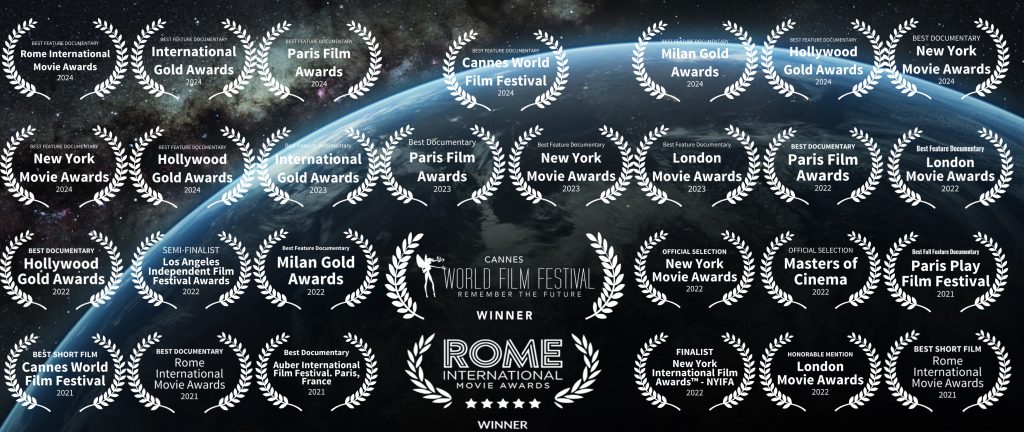
A well-executed festival run does more than support a single documentary. It builds the filmmaker’s reputation, strengthens professional relationships, and establishes credibility for future projects.
Festival recognition becomes part of a filmmaker’s identity. It signals commitment to storytelling excellence and strengthens long-term career opportunities.
For documentaries with social, educational, or cultural significance, festival exposure also helps sustain public dialogue. The film continues to influence audiences long after its premiere.
Strategic festival participation creates lasting impact that extends beyond immediate screenings.
Final Thoughts from Global Filmz Studios
Film festival strategy is both an art and a discipline. It requires planning, research, timing, and intentional positioning. Documentary filmmakers who approach festivals strategically gain more than visibility they gain momentum, credibility, and opportunity.
At Global Filmz Studios, we believe festivals are the beginning of a documentary’s public life. When approached thoughtfully, they provide the foundation for distribution, recognition, and meaningful audience connection.
A documentary deserves to be seen. A strong festival strategy ensures it is not only seen but remembered, discussed, and carried forward into the world.
Q&A on Film Festival Strategy for Documentary Filmmakers
Film festivals play a vital role in shaping the success of documentary films. They provide exposure, credibility, and opportunities that can influence a project’s entire lifecycle. At Global Filmz Studios, we work closely with filmmakers to design strategic festival pathways that support long-term visibility and meaningful audience engagement.
This Q&A guide answers the most common questions documentary filmmakers ask about film festival strategy covering planning, submissions, positioning, and how to maximize impact throughout the festival journey.
What Is a Film Festival Strategy for Documentary Filmmakers?
A film festival strategy is a structured plan that determines where, when, and how a documentary is submitted and screened. Rather than submitting a film randomly, filmmakers choose festivals that align with their goals, subject matter, and audience.
A strategic approach considers premiere positioning, audience reach, industry visibility, and long-term distribution potential. Every decision from the first submission to the final screening is designed to move the documentary forward.
At Global Filmz Studios, we view festival strategy as a roadmap. It connects creative work with the right platforms and ensures each screening supports the film’s broader purpose.
Why Are Film Festivals Important for Documentary Success?
Film festivals serve as powerful gateways to recognition and audience engagement. They bring together viewers, critics, industry professionals, and media in environments specifically designed to celebrate storytelling.
For documentary filmmakers, festivals provide validation. Selection alone signals that a film holds artistic, cultural, or social relevance. This recognition can shape public perception and strengthen credibility throughout the film’s distribution journey.
Festivals also generate momentum. Audience reactions, press attention, and industry interest often emerge simultaneously. When leveraged effectively, this momentum creates opportunities that extend far beyond the screening itself.

When Should Filmmakers Start Planning Their Festival Strategy?
Festival strategy should begin well before the documentary is completed. Ideally, planning starts during post-production or even earlier.
Early planning allows filmmakers to research submission deadlines, understand premiere requirements, and prepare marketing materials. It also helps align the film’s release timeline with major festival cycles.
Waiting until the documentary is finished can limit options and reduce strategic flexibility. Planning ahead ensures filmmakers can target the most relevant opportunities rather than reacting to whatever deadlines remain open.
 How Do Filmmakers Choose the Right Festivals?
Selecting the right festivals is one of the most important decisions in the entire process. Not every festival is appropriate for every documentary.
Filmmakers must consider several factors, including subject matter, tone, audience demographics, and overall goals. Some festivals prioritize artistic innovation, while others focus on social impact or regional storytelling. Matching a film’s identity to a festival’s programming focus significantly increases acceptance potential.
A thoughtful selection process also improves audience connection. When a documentary reaches viewers who care deeply about its themes, engagement becomes more meaningful and lasting.
What Is Premiere Status and Why Does It Matter?
Premiere status refers to whether a documentary has been publicly screened before appearing at a specific festival. Many festivals require certain levels of exclusivity, such as a world premiere or regional premiere.
Premiere positioning can influence acceptance decisions. Festivals often prefer films that have not been widely shown elsewhere, as exclusivity enhances their programming value.
Because premiere status affects eligibility, filmmakers must plan carefully. Choosing where a documentary premieres can shape the entire festival trajectory that follows. A strong premiere often attracts additional invitations and media attention.
How Many Festivals Should a Documentary Be Submitted To?
There is no universal number that applies to every documentary. What matters most is strategic alignment rather than submission volume.
Submitting to a carefully selected group of festivals that match the film’s goals is far more effective than submitting broadly without focus. Each submission should support a specific objective, such as audience reach, recognition, or industry visibility.
A balanced approach often includes a mix of high-profile festivals and targeted niche events. This combination allows filmmakers to pursue recognition while maintaining consistent exposure across diverse audiences.
What Materials Are Needed for Festival Submissions?
Festival submissions require more than just the documentary itself. Presentation plays a significant role in how programmers evaluate entries.
A complete submission typically includes a compelling synopsis, director’s statement, promotional stills, and a trailer. These materials communicate the film’s purpose, tone, and significance before programmers even watch it.
Clear, professional presentation reflects preparation and seriousness. Strong submission materials help programmers quickly understand why the documentary deserves attention.
 How Can Filmmakers Improve Their Chances of Acceptance?
Acceptance depends on many factors, but strategic preparation increases the likelihood of selection.
Filmmakers can improve their chances by ensuring their documentary aligns closely with a festival’s programming focus. Researching past selections helps identify whether a film fits stylistically and thematically.
Professional submission materials, careful premiere planning, and strong storytelling all contribute to a competitive entry. Festivals seek documentaries that resonate emotionally, intellectually, or socially with audiences.
Consistency between the film’s message and the festival’s identity often makes the strongest impression.
What Happens After a Documentary Is Accepted Into a Festival?
Acceptance is only the beginning of the opportunity. Once selected, filmmakers should actively participate in the festival environment.
Screenings provide exposure, but engagement multiplies impact. Attending discussions, interacting with audiences, and connecting with other filmmakers can create lasting professional relationships.
Festival participation also offers valuable insight into how viewers respond to the documentary. These reactions can shape marketing strategies and inform future distribution decisions.
How Do Festivals Help With Documentary Distribution?
Film festivals often serve as stepping stones toward broader distribution. Recognition, awards, and audience response can increase a documentary’s visibility and appeal.
A strong festival run demonstrates that a film resonates with audiences and critics. This validation can open pathways to wider exhibition opportunities and long-term availability.
Festivals also provide media exposure that expands awareness beyond the event itself. Press coverage and audience conversation can generate sustained interest.
How Long Should a Documentary Stay on the Festival Circuit?
The duration of a festival run depends on the documentary’s goals and reception. Some films complete their festival journey within a defined period, while others continue screening as new opportunities arise.
Remaining on the circuit too long may delay broader access. Transitioning too quickly may limit exposure. The decision should reflect audience engagement, recognition achieved, and distribution readiness.
A strategic balance ensures the documentary maintains momentum while continuing to grow its reach.
What Role Does Marketing Play in Festival Strategy?
Marketing is an essential part of festival success. Even the most compelling documentary benefits from strong promotion.
Creating anticipation before screenings increases attendance and engagement. Sharing festival selections, audience reactions, and awards amplifies visibility beyond the physical event.
Effective marketing also helps build a community around the documentary. When viewers feel connected to the story, they become advocates who extend its impact.
What Are Common Mistakes Documentary Filmmakers Should Avoid?
Festival strategy can be complex, and certain missteps can limit success. Filmmakers should remain aware of common challenges that affect many submissions.
Key mistakes to avoid include:
- Submitting without clear strategic goals
- Overlooking premiere requirements
- Targeting festivals that do not align with the documentary’s themes
- Neglecting submission presentation quality
Avoiding these pitfalls allows filmmakers to maintain control over their documentary’s positioning and trajectory.
 How Can Audience Feedback Strengthen a Documentary?
Festival screenings provide direct access to real audience reactions. This feedback offers insights that cannot be replicated through internal review alone.
Viewers reveal which moments resonate most strongly and which ideas generate discussion. Filmmakers can use this information to refine messaging, adjust promotional focus, or better understand audience perception.
Listening to audience response transforms festivals into learning environments as well as exhibition platforms.
Do Film Festivals Help Build a Filmmaker’s Career?
Yes, film festivals play a significant role in long-term professional growth. Recognition from respected festivals enhances credibility and strengthens a filmmaker’s reputation.
Networking opportunities create connections that influence future collaborations. Festival exposure also introduces filmmakers to new audiences and industry professionals who may follow their work over time.
Each festival appearance contributes to a filmmaker’s professional identity and storytelling legacy.
What Is the Most Important Principle of Festival Strategy?
The most important principle is intentionality. Every submission, premiere decision, and screening should serve a clearly defined purpose.
Film festival success does not come from chance it comes from planning, alignment, and thoughtful execution. When filmmakers understand their goals and select opportunities strategically, festivals become powerful catalysts for visibility and impact.
Final Thoughts From Global Filmz Studios
Film festivals represent more than a showcase for documentary films. They are environments where stories meet audiences, ideas spark conversation, and filmmakers build momentum that can shape the future of their work.
At Global Filmz Studios, we believe a successful festival strategy begins with clarity and purpose. When filmmakers approach festivals strategically, they transform screenings into meaningful milestones that elevate both their documentary and their voice.
A well-planned festival journey does more than display a film it helps it resonate, travel, and endure.
Recent Comments