

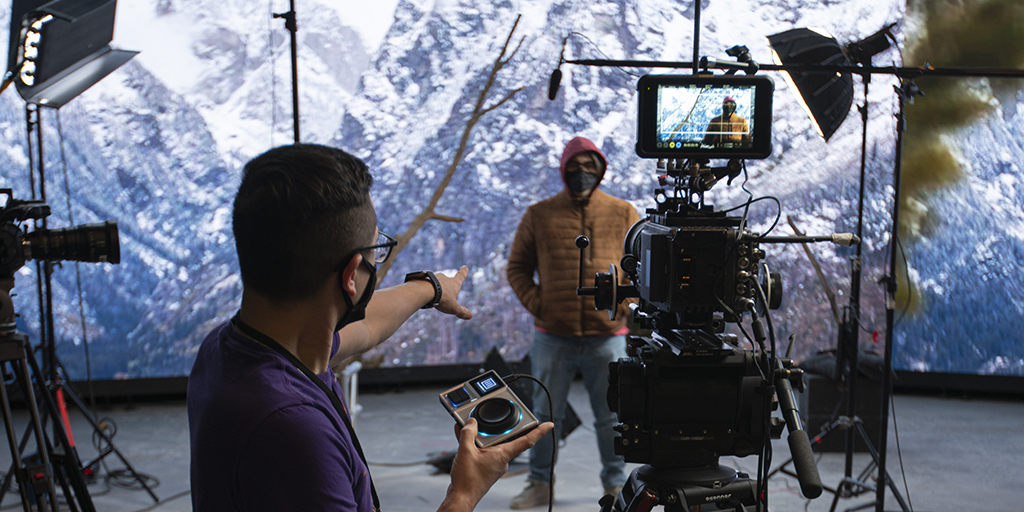
Hiring a documentary filmmaker is one of the most important decisions you’ll make when bringing a real story to the screen. A documentary is more than just filmed footage it is a carefully constructed narrative that captures truth, emotion, and meaning. The filmmaker you choose will shape how your story is researched, captured, and ultimately experienced by audiences.
Whether you are producing a personal story, corporate documentary, historical feature, or social impact film, asking the right questions before hiring a documentary filmmaker ensures creative alignment, production efficiency, and a final film that truly reflects your vision.
This guide explores the most important questions you should ask and why each one matters before committing to a documentary production partner.
Why Is It Important to Ask Questions Before Hiring a Documentary Filmmaker?
Documentary filmmaking requires trust, collaboration, and shared creative direction. Unlike many other types of media production, documentaries often involve sensitive subjects, real people, and unpredictable storytelling developments. Because of this, choosing the right filmmaker is not simply about technical skill it is about perspective, communication, and storytelling philosophy.
Asking thoughtful questions early helps you understand how a filmmaker approaches research, narrative structure, production planning, and post-production refinement. It also helps clarify expectations on both sides, reducing misunderstandings and ensuring the process remains smooth from start to finish.
Most importantly, the right questions reveal whether the filmmaker understands your story not just visually, but emotionally and thematically.
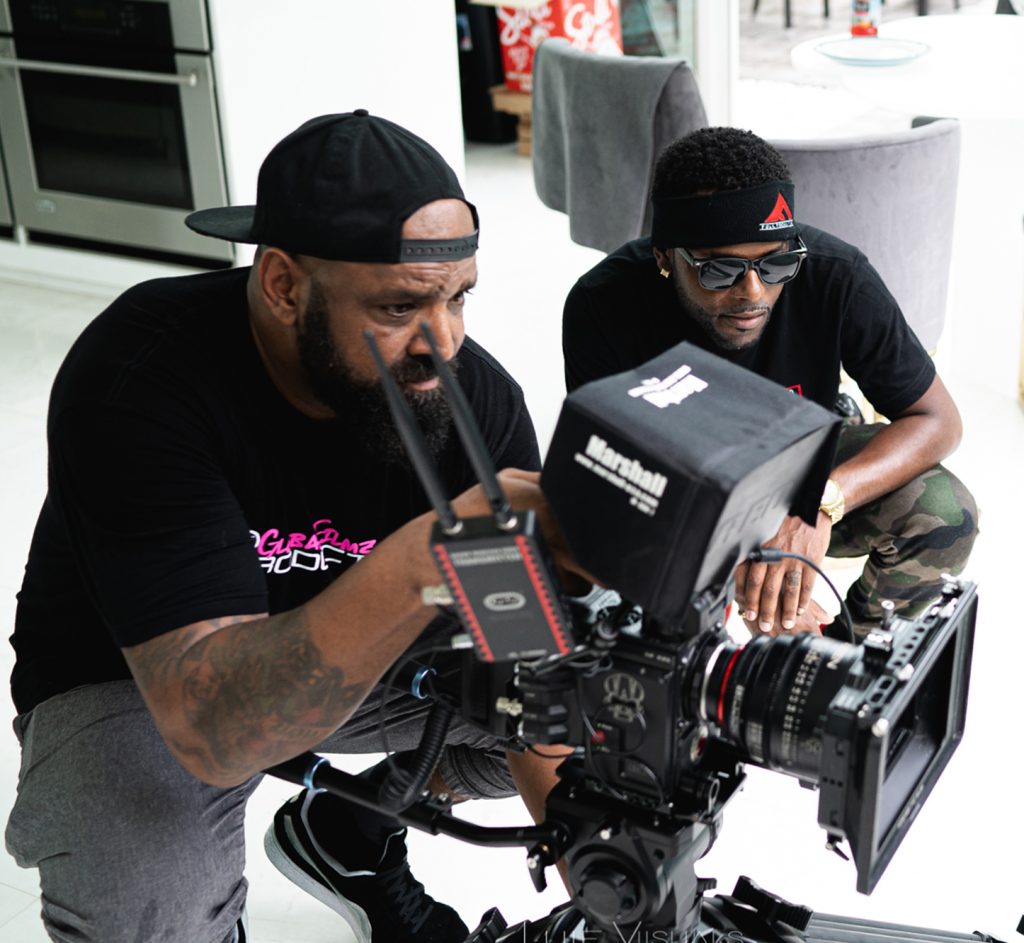
What Experience Do You Have With Documentary Storytelling?
Experience is one of the first things to explore when considering a documentary filmmaker. However, experience should be evaluated beyond years of work alone. What truly matters is the depth of storytelling expertise.
Ask about the types of documentaries they have created. Have they worked with character-driven stories, investigative narratives, historical subjects, or observational filmmaking? Understanding their background helps determine whether their storytelling style aligns with your project.
A filmmaker’s past work reveals how they approach pacing, interviews, visual composition, and emotional structure. Reviewing completed projects gives you insight into their narrative instincts and creative decision-making.
Experience is not just about technical proficiency it is about the ability to transform real-life material into meaningful cinematic storytelling.
How Do You Approach Story Development?
Every documentary begins with raw information ideas, research, interviews, and real-world events. Story development is the process that shapes these elements into a cohesive narrative.
Ask how the filmmaker structures a documentary from concept to final edit. Do they map story arcs early? Do they allow the narrative to evolve organically during filming? How do they identify the emotional core of the story?
Understanding their approach to story development helps ensure that your documentary will have clarity, direction, and narrative depth.
A strong filmmaker does not simply record reality they interpret and shape it into an engaging experience for viewers.
What Is Your Research Process Before Filming Begins?
Research is the backbone of credible documentary storytelling. It informs interview questions, visual planning, and narrative structure.
Ask how the filmmaker gathers information about a subject before production. Do they conduct preliminary interviews? Analyze historical context? Develop thematic frameworks?
A thoughtful research process leads to stronger storytelling because it reveals connections, tensions, and perspectives that might otherwise remain hidden.
Filmmakers who invest deeply in research are better prepared to capture meaningful moments and ask insightful questions during production.
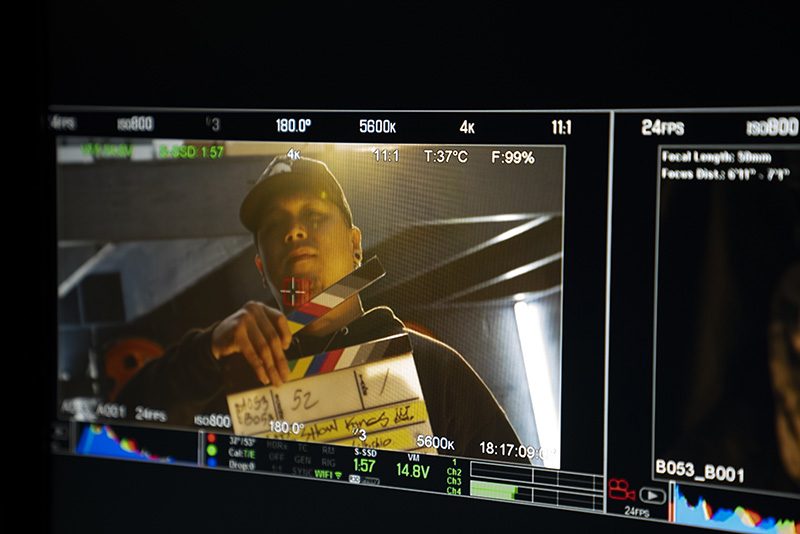
How Do You Plan the Visual Style of a Documentary?
Visual storytelling plays a major role in how audiences experience a documentary. Cinematography, composition, and environment all influence emotional tone.
Ask how the filmmaker develops visual direction. Do they create style references or visual mood concepts? How do they decide framing, lighting, and movement?
Visual planning ensures consistency throughout the film. It also helps communicate mood, atmosphere, and thematic meaning beyond dialogue alone.
A well-defined visual style transforms a documentary from simple documentation into cinematic storytelling.
How Do You Conduct and Direct Interviews?
Interviews are often the emotional heart of a documentary. They reveal perspective, memory, and personal experience.
Ask how the filmmaker prepares for interviews and creates an environment where participants feel comfortable sharing openly. Do they follow structured questions or conversational dialogue? How do they guide emotional storytelling while maintaining authenticity?
The filmmaker’s interview approach directly affects how natural and compelling the documentary feels.
Strong interview direction requires empathy, patience, and attentive listening qualities that cannot be replaced by technical skill alone.
How Do You Handle Unpredictable Developments During Filming?
Documentaries rarely unfold exactly as planned. New information emerges, circumstances change, and unexpected moments reshape the story.
Ask how the filmmaker adapts to evolving situations. Do they adjust narrative direction when new insights arise? How do they balance structure with spontaneity?
Flexibility is essential in documentary production. A filmmaker must remain open to discovery while still guiding the project toward a clear narrative outcome.
Adaptability ensures that real-life developments strengthen the story rather than disrupt it.
What Does Your Production Planning Process Look Like?
Production planning determines how efficiently and effectively filming takes place. It involves scheduling, logistics, location coordination, and technical preparation.
Understanding how a filmmaker organizes production helps you gauge their professionalism and workflow structure.
A clear planning process typically includes:
- Detailed filming schedules
- Location preparation and access coordination
- Equipment organization
- Crew role management
- Contingency planning
Well-structured production planning minimizes delays and allows creative focus to remain on storytelling.
How Do You Approach Editing and Narrative Structure?
Editing is where the documentary truly takes shape. Hours of footage are transformed into a cohesive story with emotional rhythm and narrative clarity.
Ask how the filmmaker approaches editing decisions. How do they determine pacing? How do they select which moments to include or exclude? How do they ensure the story remains engaging from beginning to end?
Editing requires both technical precision and creative interpretation. It is where structure, emotion, and meaning come together.
Understanding the filmmaker’s editing philosophy helps you anticipate how your story will ultimately be presented.
How Do You Ensure Authenticity While Maintaining Engagement?
One of the defining challenges of documentary filmmaking is balancing truth with storytelling impact. The film must remain authentic while still holding audience attention.
Ask how the filmmaker preserves factual integrity while shaping narrative flow. Do they prioritize emotional continuity? How do they present complex information clearly?
Authenticity builds trust with viewers. Engagement ensures the story resonates. The best documentaries achieve both simultaneously.
What Role Will I Play in the Creative Process?
Collaboration varies from project to project. Some documentary productions involve close client participation, while others allow the filmmaker full creative leadership.
Ask how communication and decision-making will work throughout production. Will you review rough cuts? Provide input on narrative direction? Participate in story development discussions?
Understanding your role helps establish expectations and ensures a productive working relationship.
Clear communication is essential for creative alignment.
How Do You Manage the Post-Production Process?
Post-production includes editing, sound design, visual refinement, and final narrative shaping. It is a complex stage that requires coordination and attention to detail.
Ask how the filmmaker structures post-production timelines and review stages. How many revisions are typical? How is feedback incorporated?
A transparent post-production process ensures the documentary evolves thoughtfully while maintaining creative focus.
How Do You Measure the Success of a Documentary?
Success in documentary filmmaking is not defined by a single factor. It may involve emotional impact, audience engagement, storytelling clarity, or message effectiveness.
Ask how the filmmaker evaluates the outcome of a project. What defines a finished documentary in their view? What storytelling goals guide their creative decisions?
Understanding their definition of success helps determine whether your expectations align.
How Do You Maintain Ethical Responsibility Toward Subjects?
Documentaries involve real people and real experiences. Ethical responsibility is essential.
Ask how the filmmaker ensures respectful representation of participants and subject matter. How do they handle sensitive information? How do they maintain transparency during interviews and storytelling?
Ethical awareness protects both participants and the integrity of the film.
Responsible filmmaking builds trust and credibility.
What Makes Your Documentary Process Unique?
Every filmmaker has a distinct approach shaped by creative philosophy and production methodology.
Ask what defines their process. What principles guide their storytelling? How do they ensure each documentary feels meaningful and authentic?
Understanding what sets a filmmaker apart helps you identify whether their creative mindset aligns with your goals.
How Do You Ensure the Final Film Reflects the Original Vision?
A documentary evolves over time, but it should remain connected to its core purpose.
Ask how the filmmaker maintains alignment with the original vision while allowing the story to grow naturally. How do they balance planning with discovery?
This question reveals how they manage long-term creative consistency.
Final Thoughts: Choosing the Right Documentary Filmmaker
Hiring a documentary filmmaker is not simply about finding someone with a camera and editing software. It is about choosing a creative partner who understands storytelling, respects authenticity, and communicates clearly throughout the entire production journey.
Asking thoughtful questions before hiring ensures alignment in vision, process, and expectations. It helps you understand how your story will be researched, captured, shaped, and presented.
The right filmmaker brings more than technical skill they bring insight, empathy, and narrative clarity.
At Global Filmz Studios, we believe every documentary deserves careful planning, meaningful collaboration, and storytelling that honors truth while engaging audiences. When you ask the right questions before hiring a filmmaker, you set the stage for a documentary that is not only professionally crafted but deeply impactful.
And that is the true goal of documentary filmmaking transforming real stories into unforgettable cinematic experiences.
Frequently Asked Questions Before Hiring a Documentary Filmmaker
Hiring a documentary filmmaker is a major step in bringing a real story to life. Whether you’re creating a brand documentary, a personal legacy film, a social impact project, or a feature-length production, the filmmaker you choose will shape how your story is researched, captured, and ultimately experienced by audiences.
Because documentaries involve real people, real events, and evolving narratives, choosing the right production partner requires more than reviewing portfolios. It requires asking meaningful questions that reveal how a filmmaker thinks, works, and collaborates.
This guide answers the most frequently asked questions people have before hiring a documentary filmmaker and explains why each one matters. Understanding these answers helps you make informed decisions and ensures your documentary is built on a strong creative foundation.
Why Is It Important to Ask Questions Before Hiring a Documentary Filmmaker?
Documentary filmmaking is deeply collaborative. Unlike scripted productions, documentaries evolve in response to real-life developments. This makes alignment between filmmaker and client essential.
Asking questions early helps clarify expectations, communication style, storytelling philosophy, and creative direction. It also reveals whether the filmmaker truly understands your goals and values.
When you take time to ask the right questions, you avoid confusion later and create a smoother, more productive production experience from start to finish.
Read More
Many people assume technical skill is the most important factor when hiring a filmmaker. While technical expertise matters, documentary storytelling requires far more than operating a camera or editing footage. A strong documentary filmmaker combines creative vision with curiosity, empathy, and narrative intuition. They know how to listen, observe, and interpret real moments in ways that feel meaningful and authentic. Look for someone who demonstrates: The best documentary filmmakers don’t just record events they uncover meaning within them. Creative collaboration varies from project to project, so this is one of the most important questions to clarify early. Some productions involve close client involvement at every stage, including story development, filming decisions, and editing feedback. Others operate with a more director-led approach, where the filmmaker guides creative decisions independently. Understanding how collaboration works helps ensure everyone shares the same expectations. Clear communication about creative input, review processes, and feedback timing prevents misunderstandings later in the project. A successful documentary production is built on mutual trust and shared vision. Many first-time clients are surprised to learn that documentaries are not fully scripted before filming begins. Instead, they are carefully structured while remaining open to discovery. A documentary typically evolves through several narrative stages. Early research reveals themes and potential story arcs. Filming captures real experiences and perspectives. Editing then shapes everything into a cohesive narrative. Storytelling is not imposed on reality it emerges through observation, interpretation, and careful construction. Understanding this process helps set realistic expectations about how the film will develop over time. Pre-production is one of the most important phases of documentary filmmaking. It lays the groundwork for everything that follows. During this stage, filmmakers explore the subject in depth. They gather background information, identify key themes, plan interviews, and determine visual direction. They also coordinate logistics, schedules, and filming environments. Preparation ensures that filming is focused and purposeful rather than reactive or disorganized. Without strong pre-production planning, a documentary can lose narrative clarity before production even begins. Interviews are often the emotional core of a documentary. They provide personal perspective, context, and insight that shape how audiences understand the story. A skilled filmmaker does more than ask questions. They create an environment where participants feel comfortable sharing openly. They listen carefully, respond thoughtfully, and guide conversation naturally. Interview style can vary depending on the project. Some interviews follow structured questions, while others unfold conversationally. The goal is always authenticity capturing genuine emotion and perspective rather than rehearsed responses. Strong interviews reveal depth, nuance, and human connection. This is one of the most common concerns people have when hiring a documentary filmmaker and one of the most important realities of the medium. Real life rarely unfolds exactly as expected. New information may emerge. Circumstances may shift. Participants may reveal unexpected perspectives. A skilled filmmaker adapts to these developments while maintaining narrative direction. Flexibility is not a problem in documentary production it is part of the creative process. The ability to recognize meaningful changes and integrate them into the story is what gives documentaries their power and authenticity. Every documentary has a visual language that shapes how audiences experience the story. This includes camera movement, composition, lighting, and environmental context. Visual style is typically developed during pre-production. The filmmaker considers mood, tone, subject matter, and storytelling goals to determine how the film should look and feel. Some documentaries use observational visuals that feel natural and immersive. Others use carefully composed imagery to create emotional intensity or thematic emphasis. Visual consistency helps unify the narrative and strengthen audience engagement. Many people assume filming is the most complex part of documentary production. In reality, post-production is where the story truly takes shape. During editing, footage is organized, reviewed, and structured into narrative form. Interviews are refined. Visual sequences are arranged. Sound and pacing are carefully shaped. Post-production is where meaning is clarified and emotional rhythm is established. It transforms raw material into a cinematic experience. This stage requires patience, creativity, and deep narrative awareness. The timeline for a documentary varies depending on scope, complexity, and subject matter. Some projects move quickly, while others unfold over extended periods to capture evolving events. Production timelines are influenced by research depth, filming schedules, narrative complexity, and editing refinement. Rather than focusing on speed, successful documentary production prioritizes thoughtful storytelling. Rushing the process can weaken narrative clarity and emotional impact. A well-crafted documentary develops at the pace required by the story itself. Creative differences are natural in collaborative storytelling. What matters is how they are managed. Professional documentary filmmakers approach feedback constructively. They listen carefully, explain creative reasoning, and work toward solutions that support the story’s integrity. Clear communication channels help ensure that differing perspectives strengthen the film rather than disrupt the process. Respectful dialogue and shared goals create productive collaboration. Authenticity is one of the defining principles of documentary storytelling. Participants must feel respected, and their experiences must be represented honestly. Ethical filmmakers maintain transparency about how interviews will be used. They approach sensitive topics with care and consider the emotional impact of storytelling decisions. Authentic representation builds trust with both participants and audiences. Responsible storytelling is not optional it is essential. Preparation helps the production process begin smoothly. Before hiring a filmmaker, it helps to clarify your purpose, goals, and expectations for the documentary. You don’t need a detailed script, but you should understand why the story matters and what you hope audiences will experience. Helpful preparation may include: This clarity allows the filmmaker to begin shaping the narrative effectively. Technical skill, creative vision, and communication style all contribute to compatibility. The right filmmaker will not only understand your project but feel genuinely invested in telling the story well. Pay attention to how they listen, how they explain their process, and how they respond to your ideas. Strong collaboration begins with mutual respect and shared enthusiasm. Choosing the right filmmaker is as much about connection as it is about capability. Success in documentary filmmaking is not defined by a single outcome. A successful documentary informs, engages, and resonates emotionally with its audience. It presents real experiences with clarity and meaning. It invites viewers to understand, reflect, and connect. Above all, a successful documentary feels authentic both truthful and compelling at the same time. Hiring a documentary filmmaker is more than a production decision. It is the beginning of a creative partnership built on trust, collaboration, and shared storytelling purpose. By asking thoughtful questions before hiring, you gain clarity about process, expectations, and creative direction. You also ensure that your story is placed in the hands of someone who understands its significance. At Global Filmz Studios, we believe that every meaningful documentary begins with conversation thoughtful, honest, and purposeful. When you ask the right questions, you create the foundation for a filmmaking journey that is organized, collaborative, and deeply impactful. And when the right filmmaker and the right story come together, the result is more than a film it is an experience that resonates long after the screen fades to black.What Should I Look for in a Documentary Filmmaker?
How Much Creative Control Will I Have?
How Does a Documentary Story Actually Take Shape?
What Happens Before Filming Begins?
How Are Interviews Conducted in a Documentary?
What If the Story Changes During Filming?
How Is the Visual Style Decided?
What Happens After Filming Is Finished?
 How Long Does the Documentary Process Typically Take?
How Are Creative Differences Handled?
How Do Filmmakers Ensure Authentic Representation?
 What Should I Prepare Before Hiring a Documentary Filmmaker?
How Do I Know If a Filmmaker Is the Right Fit?
What Makes a Documentary Truly Successful?
Final Thoughts: Asking the Right Questions Leads to Stronger Stories
Recent Comments