

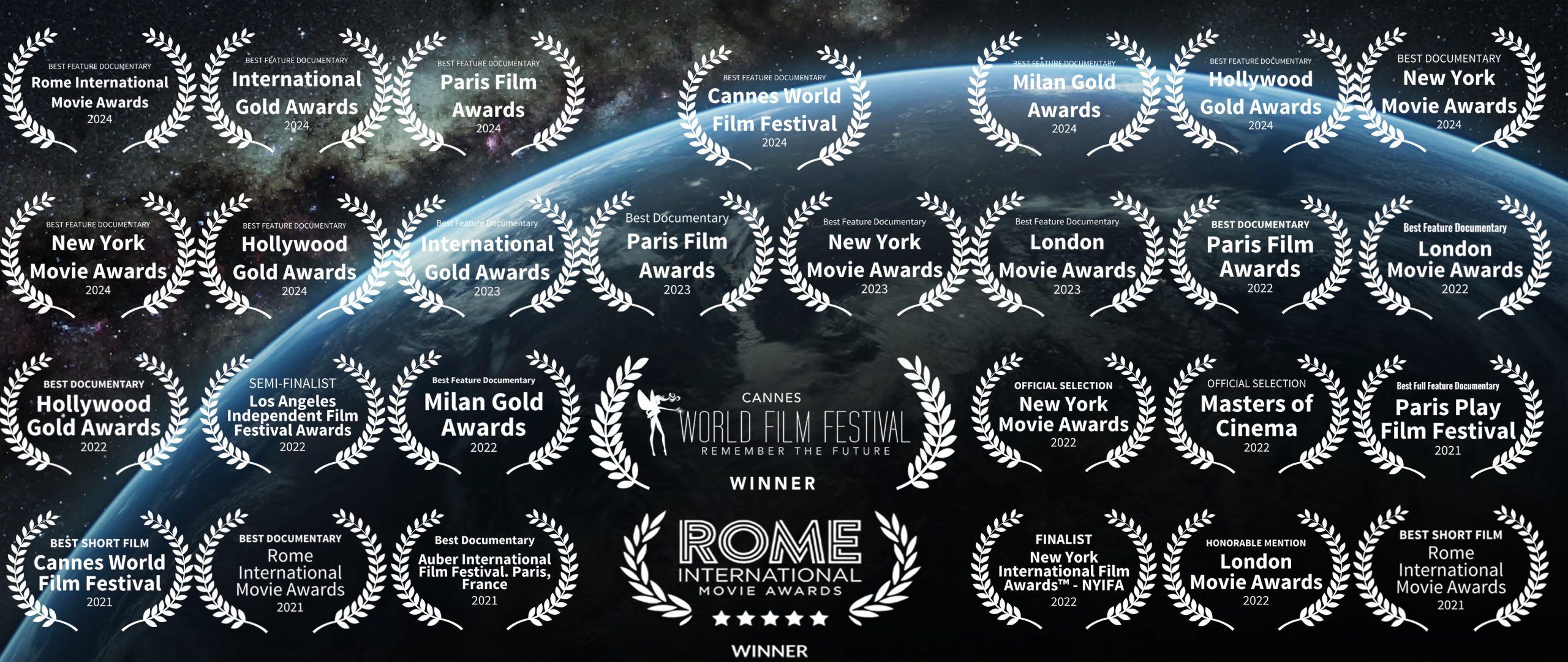
Documentary filmmaking is one of the most powerful forms of storytelling. It captures real lives, real experiences, and real perspectives shaping how audiences understand the world around them. Unlike fictional films, documentaries rely on authenticity, observation, and meaningful human connection to tell stories that inform, inspire, and sometimes challenge perception.
At Global Filmz Studios, we approach documentary production as both an art and a responsibility. Every project is an opportunity to preserve truth, amplify voices, and create a lasting impact. Whether you are new to documentary filmmaking or looking to refine your process, this comprehensive guide will walk you through the essential stages of documentary film production from concept to final release.
Understanding What Makes a Documentary Unique
Documentary films differ from other forms of filmmaking because they are grounded in reality. While creative storytelling techniques are still used, the foundation is always factual experience. Real people, real environments, and real events shape the narrative.
However, documentaries are not simply recordings of reality. They are carefully crafted interpretations of it. Filmmakers make decisions about perspective, structure, tone, and emphasis. These choices shape how audiences interpret what they see.
At Global Filmz Studios, we believe the strength of a documentary lies in its ability to balance truth with storytelling. The goal is not just to present information, but to create emotional understanding and meaningful engagement.
Developing a Strong Documentary Concept
Every documentary begins with an idea but not every idea becomes a compelling film. A strong documentary concept focuses on a clear subject, meaningful perspective, and a reason for audiences to care.
Ask yourself what makes the story important now. Consider what questions the film will explore and what emotional or intellectual response it should inspire. A well-defined purpose guides every decision throughout production.
Research plays a crucial role at this stage. Understanding the historical, social, and personal context of your subject helps shape the narrative direction. The more informed your foundation, the more powerful your storytelling will become.
Choosing the Right Documentary Style
Documentaries can take many forms depending on how the story is told. Some filmmakers observe events as they unfold, while others rely heavily on interviews, narration, or archival material.
Common storytelling approaches include:
- Observational storytelling that captures real moments naturally
- Interview-driven narratives centered on personal testimony
- Investigative structures exploring questions or issues
- Character-focused storytelling following individuals over time
Choosing the right style determines how audiences experience the story. At Global Filmz Studios, we select the format that best serves authenticity, emotional clarity, and narrative flow.
Pre-Production: Building the Foundation
Pre-production is where planning transforms ideas into actionable structure. This stage ensures that filming proceeds smoothly and purposefully.
Preparation often includes identifying subjects, securing locations, scheduling interviews, organizing equipment, and outlining narrative direction. While documentaries embrace unpredictability, strong preparation creates flexibility rather than limitation.
Pre-production also involves establishing trust with participants. Documentary subjects must feel comfortable sharing their experiences openly. Building respectful relationships early improves both the filming process and the emotional depth of the final film.
Research and Story Structure
Research continues throughout production, but early investigation helps shape the documentary’s structure. Understanding timelines, key events, and relevant perspectives allows filmmakers to identify the most meaningful narrative path.
Rather than scripting dialogue, documentary structure often focuses on story progression. This may include an introduction, development of conflict or challenge, emotional turning points, and resolution or reflection.
A clear structural vision helps guide interviews, filming priorities, and editing decisions later in the process.
Capturing Authentic Interviews
Interviews are often the emotional core of documentary filmmaking. They provide insight, memory, and perspective that cannot be captured through visuals alone.
At Global Filmz Studios, we approach interviews as conversations rather than interrogations. The goal is to create an environment where subjects feel heard, respected, and comfortable expressing themselves.
Strong documentary interviews typically emphasize:
- Open-ended questions that encourage storytelling
- Active listening that allows natural responses
- Emotional awareness that respects personal experiences
When subjects speak honestly and reflectively, their words bring depth and meaning to the film.
Filming Real Life as It Happens
Beyond interviews, documentary production often involves capturing unscripted moments. These scenes provide context, atmosphere, and visual storytelling that enrich the narrative.
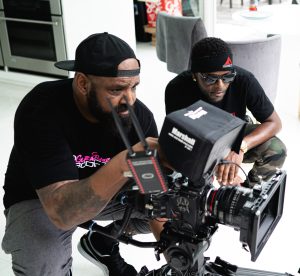
Filming real life requires patience and awareness. Unlike staged productions, documentary filmmakers must observe carefully and respond quickly to meaningful moments as they unfold.
This approach demands flexibility. Conditions may change unexpectedly, and opportunities for powerful footage may appear without warning. Remaining attentive and adaptable allows filmmakers to capture authenticity in its purest form.
Visual Storytelling Techniques
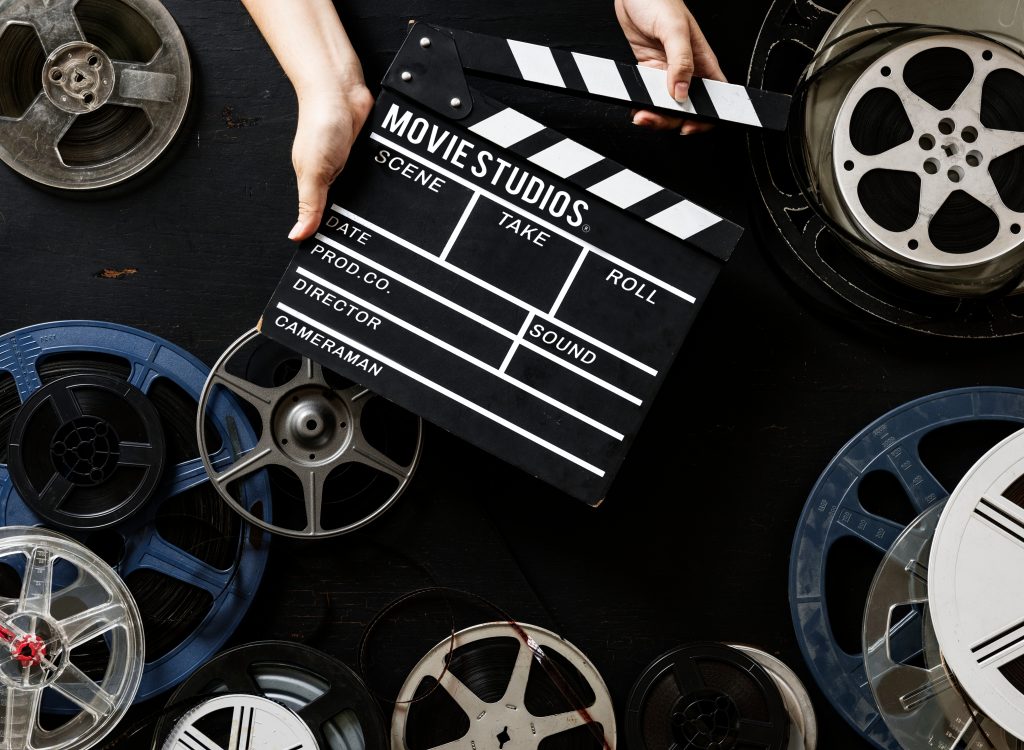
Documentary visuals do more than show what is happening — they communicate mood, perspective, and emotional tone. Camera angles, movement, framing, and composition all influence how viewers interpret scenes.
Close-up shots may highlight emotion. Wide shots may establish environment or scale. Natural lighting may enhance realism, while carefully composed framing may guide audience focus.
At Global Filmz Studios, visual choices always support narrative meaning. Every shot serves a storytelling purpose, helping audiences feel present within the experience.
Recording Clear and Meaningful Sound
Sound plays an equally important role in documentary filmmaking. Dialogue, environmental audio, and ambient sound all contribute to immersion and realism.
Clear audio ensures that interviews are understandable and emotionally impactful. Environmental sound helps establish place and atmosphere. Silence, when used intentionally, can create reflection and emphasis.
Capturing high-quality sound during production reduces the need for correction later and preserves the authenticity of real moments.
Managing Ethical Responsibility
Documentary filmmaking carries ethical responsibility. Real lives and real experiences are being shared, often involving sensitive or personal subject matter.
Respect, transparency, and honesty must guide every stage of production. Participants should understand how their stories will be used and feel comfortable with their involvement.
Ethical filmmaking builds trust not only with subjects but also with audiences. When viewers sense authenticity and integrity, they engage more deeply with the story.
The Editing Process: Shaping the Narrative
Editing is where documentary storytelling truly takes form. Hours of footage are reviewed, organized, and structured into a cohesive narrative.
This process involves selecting the most meaningful moments, arranging scenes for emotional progression, and refining pacing to maintain engagement. Editing does not change reality it shapes how reality is presented.
Transitions, sound design, music, and visual rhythm all contribute to storytelling impact. The goal is clarity, emotional resonance, and narrative flow.
At Global Filmz Studios, editing is treated as a creative and interpretive process that transforms raw material into meaningful cinematic experience.
Music and Emotional Atmosphere
Music influences how audiences feel as they watch a documentary. It can create tension, reflection, warmth, or urgency depending on the story’s needs.
The right musical tone supports emotional continuity without overwhelming authenticity. Subtle integration often enhances storytelling more effectively than dramatic emphasis.
Sound design and music together help shape the emotional landscape of the film.
Post-Production Refinement
After editing, additional refinement ensures the documentary is polished and complete. This may include color correction, audio balancing, visual adjustments, and final narrative review.
Post-production enhances clarity and consistency while preserving the natural feel of the footage. The objective is not perfection it is coherence and storytelling strength.
Every adjustment supports audience understanding and emotional connection.
Preparing for Audience Engagement
A documentary reaches its full purpose when it connects with viewers. Presentation, distribution strategy, and audience outreach all influence how the film is received.
Understanding who the documentary is for helps shape how it is shared. Some stories aim to educate, others to inspire discussion, and others to preserve history or personal testimony.
Audience engagement extends the life of the documentary beyond the screen.
Challenges in Documentary Production
Documentary filmmaking is deeply rewarding, but it also presents unique challenges. Real-life storytelling is unpredictable, emotionally complex, and often requires long-term commitment.
Common challenges may include:
- Capturing events that cannot be controlled or repeated
- Navigating sensitive subject matter with care
- Maintaining narrative clarity within evolving real-life situations
Preparation, adaptability, and patience help filmmakers navigate these complexities successfully.
The Role of Passion in Documentary Filmmaking
Technical skill is essential, but passion drives meaningful documentary storytelling. A filmmaker must genuinely care about the subject, the people involved, and the message being shared.
Passion fuels persistence during long production periods. It encourages thoughtful listening, deeper research, and creative problem-solving. Most importantly, it helps ensure that the story is told with sincerity and purpose.
Final Thoughts From Global Filmz Studios
Documentary film production is a journey one that requires curiosity, discipline, empathy, and creative vision. From concept development to final editing, every stage contributes to telling a story that reflects real experience and meaningful truth.
At Global Filmz Studios, we believe documentaries have the power to inform perspectives, preserve voices, and create lasting emotional impact. When filmmakers approach the process with preparation, integrity, and dedication, documentary storytelling becomes more than a craft it becomes a powerful form of human connection.
Whether you are beginning your first documentary or refining your filmmaking approach, remember that authenticity is always the foundation. Listen carefully. Observe deeply. Tell stories responsibly.
Because when real stories are told with care, they resonate far beyond the screen.
Q&A on Ultimate Guide to Documentary Film Production
Documentary filmmaking is both a creative journey and a technical process that transforms real-life experiences into powerful visual storytelling. While many aspiring filmmakers understand the basics of capturing real events, the deeper mechanics of documentary production often raise important questions. From concept development to post-production refinement, each stage involves decisions that shape the final narrative.
At Global Filmz Studios, we believe clarity and preparation are essential for meaningful documentary storytelling. This comprehensive Q&A explores the most common questions filmmakers, creators, and curious storytellers ask when learning about the documentary production process. Each answer is designed to provide practical insight, professional perspective, and a deeper understanding of how documentaries are created from start to finish.

What Is Documentary Film Production?
Documentary film production is the complete process of planning, filming, and shaping real-life material into a structured visual narrative. Unlike fictional filmmaking, documentary production is grounded in real events, real people, and real environments.
The process involves several stages, including concept development, research, pre-production planning, filming, editing, and final presentation. Each stage contributes to transforming raw footage into a cohesive story that informs, engages, and emotionally connects with viewers.
At Global Filmz Studios, documentary production is viewed as both an artistic and ethical responsibility. The goal is not simply to record reality, but to interpret it thoughtfully and present it with authenticity and purpose.
Read More
Every documentary begins with a central idea or question. This idea may emerge from personal experience, social observation, historical interest, or a desire to explore a specific topic in depth. Turning an idea into a film requires shaping it into a clear narrative direction. This involves identifying the focus of the story, understanding why it matters, and determining how it will unfold visually and emotionally. Research plays a critical role at this stage. Filmmakers gather information, identify key perspectives, and explore the broader context surrounding the subject. As the concept becomes more defined, it evolves into a structured production plan that guides filming and storytelling decisions. Pre-production establishes the framework that supports the entire documentary. While documentaries often embrace unpredictability, careful planning ensures that filmmakers are prepared to capture meaningful material when opportunities arise. During pre-production, filmmakers organize schedules, identify participants, select filming environments, and clarify narrative goals. They also build relationships with documentary subjects, which helps create a comfortable and trusting filming environment. Strong preparation does not limit creativity. Instead, it allows flexibility. When the foundation is clear, filmmakers can adapt more effectively to real-life developments. Documentaries can be presented in many different storytelling styles, and choosing the right one depends on the nature of the subject and the intended audience experience. Some documentaries focus on observation, allowing events to unfold naturally without heavy guidance. Others rely on interviews, narration, or investigative structure to explain complex topics. Some follow individuals over time, creating character-driven narratives that reveal change and development. The chosen style shapes how viewers engage with the story. At Global Filmz Studios, style is always selected based on what best supports authenticity, emotional clarity, and narrative impact. Documentary interviews provide personal perspective, emotional depth, and firsthand experience. They help audiences understand not only what happened, but how it felt and why it matters. Effective interviews are built on trust and conversation rather than rigid questioning. Subjects are encouraged to share detailed memories, reflections, and insights in their own words. Strong documentary interviews often include: When interviewees feel comfortable and respected, their stories become more vivid and meaningful. Authenticity is one of the defining elements of documentary filmmaking. Capturing real-life moments requires patience, awareness, and readiness to respond when meaningful events occur. Filmmakers observe carefully, often filming extended periods of activity to capture genuine interactions and emotional transitions. Unlike scripted productions, documentary scenes cannot always be repeated, so attention and timing are essential. Authentic footage often emerges when subjects forget about the camera and simply live their experiences naturally. Creating a calm, respectful filming environment helps make this possible. Images communicate emotion and meaning in ways words cannot. Camera framing, movement, and composition shape how viewers perceive people, places, and events. Close-up shots may reveal emotion or internal reflection. Wider shots provide context and environment. Slow camera movement can create intimacy, while still framing can emphasize realism and observation. Visual storytelling allows the documentary to communicate mood, perspective, and atmosphere without relying solely on dialogue. At Global Filmz Studios, every visual decision supports narrative understanding. Sound is essential to immersion. Dialogue delivers information and perspective, while environmental sound provides texture and realism. Background audio helps viewers feel present within the filmed environment. Sound also influences emotional tone. Quiet moments create reflection, while layered audio can build tension or energy. Even subtle ambient sounds can strengthen the sense of authenticity. Capturing clean and meaningful sound during filming helps preserve natural experiences and enhances storytelling depth during editing. Editing transforms raw footage into a structured narrative. Filmmakers review recorded material, identify meaningful moments, and arrange scenes in a way that supports emotional and informational progression. This stage involves selecting interview segments, organizing visual sequences, refining pacing, and shaping transitions between scenes. Music and sound design may also be incorporated to enhance mood and continuity. Editing does not alter reality it organizes it. The goal is to present experiences clearly and meaningfully while maintaining authenticity. Documentary production involves real people and real experiences, which means ethical awareness is essential. Filmmakers must respect participants, represent stories accurately, and communicate intentions transparently. Ethical responsibility includes obtaining consent, protecting sensitive information, and ensuring that participants understand how their contributions will be used. Respectful storytelling builds trust with both subjects and audiences. At Global Filmz Studios, ethical practice is considered foundational to every stage of production. Documentary filmmaking involves navigating real-world complexity. Unlike scripted productions, events cannot always be predicted or controlled. Subjects may experience emotional vulnerability, environments may change unexpectedly, and narratives may evolve over time. Some common challenges include maintaining narrative clarity while events unfold unpredictably, balancing observation with storytelling structure, and managing the emotional weight of real experiences. Adaptability, patience, and strong communication help filmmakers overcome these challenges while preserving authenticity. Documentary timelines vary widely depending on the scope of the subject and the depth of storytelling involved. Some documentaries are filmed over short periods, while others follow events or individuals for extended durations. Rather than focusing on speed, documentary production emphasizes completeness. The process continues until the story has been captured with sufficient depth and clarity to communicate its meaning effectively. Music shapes emotional atmosphere and narrative rhythm. It can highlight tension, support reflection, or create continuity between scenes. Effective documentary music complements the story rather than overpowering it. Subtle integration often enhances emotional engagement while allowing authenticity to remain central. Music and sound design together help create the film’s emotional landscape. After editing and refinement are complete, the documentary is prepared for presentation. This involves ensuring visual consistency, balanced sound, and cohesive storytelling flow. Filmmakers also consider how the film will connect with viewers. Understanding audience perspective helps guide how the story is introduced and shared. A documentary fulfills its purpose when it reaches people and creates understanding, awareness, or emotional resonance. A powerful documentary connects audiences to real experiences in a meaningful way. It combines clear storytelling, emotional honesty, and thoughtful presentation. Strong documentaries often share several qualities: When these elements work together, the documentary becomes more than information it becomes connection. Passion drives curiosity, persistence, and creative commitment. Documentary production often requires extended time, careful observation, and emotional engagement with complex subject matter. Filmmakers who genuinely care about their stories listen more deeply, observe more attentively, and pursue greater authenticity. Passion shapes both the process and the final result. The most important principle is authenticity. Every decision from concept development to editing should support truthful representation and meaningful storytelling. Authenticity builds trust. Trust creates emotional connection. And connection is what makes documentary storytelling impactful. Documentary film production is a layered and dynamic process that blends creativity, observation, technical skill, and ethical responsibility. Each stage from early research to final presentation plays a role in shaping how real stories are experienced by audiences. At Global Filmz Studios, we believe documentaries have the power to preserve voices, explore perspectives, and deepen understanding. When filmmakers approach production with preparation, integrity, and genuine curiosity, the results can be profoundly meaningful. Questions are a natural part of learning the craft. The more clearly you understand the process, the more confidently you can tell stories that matter. Documentary filmmaking is not simply about capturing reality. It is about revealing the human experience with honesty, care, and purpose and sharing that truth with the world.How Does a Documentary Idea Become a Film?
Why Is Pre-Production So Important?
How Do Filmmakers Decide on a Documentary Style?
What Makes a Documentary Interview Effective?
 How Do Filmmakers Capture Authentic Moments?
Why Is Visual Storytelling Important in Documentaries?
How Does Sound Influence Documentary Storytelling?
What Happens During the Editing Stage?
How Do Filmmakers Maintain Ethical Responsibility?
 What Challenges Do Documentary Filmmakers Face?
How Long Does Documentary Production Take?
What Role Does Music Play in a Documentary?
How Is a Documentary Prepared for Audience Viewing?
 What Makes a Documentary Truly Powerful?
Why Is Passion Important in Documentary Production?
What Is the Most Important Principle of Documentary Filmmaking?
Final Thoughts From Global Filmz Studios
Recent Comments