

Documentary storytelling is built on authenticity. Unlike scripted productions, documentaries rely on real people sharing real experiences, emotions, and perspectives. That makes the interview process one of the most powerful and most sensitive parts of filmmaking. When a subject feels comfortable, understood, and confident, the camera captures honesty. When they feel pressured or uncertain, the truth becomes guarded.
At Global Filmz Studios, we have worked with a wide range of documentary subjects from first-time interviewees to experienced public figures and one thing remains constant: preparation and trust shape every meaningful interview. Whether you’re appearing in a documentary for the first time or want to improve how you present your story, the following guide will help you communicate naturally, confidently, and effectively on camera.
Why Documentary Interviews Matter
A documentary interview is more than a conversation it is the emotional and narrative backbone of the film. Your voice, expressions, memories, and reflections create the human connection that audiences respond to most deeply.
Filmmakers rely on interviews to:
- Provide firsthand perspective
- Reveal emotional truth
- Explain context or history
- Advance the narrative
- Create empathy with viewers
When you speak clearly and authentically, you help shape how audiences understand the story. Every pause, every detail, and every moment of reflection adds depth and meaning. That is why preparation is not about memorizing answers it is about becoming comfortable sharing your experience openly.
Understanding the Filmmaker’s Perspective
Before stepping in front of the camera, it helps to understand what filmmakers are trying to achieve. Documentary creators are not simply collecting information they are building a narrative journey. They look for emotional clarity, personal insight, and vivid storytelling.
Interview questions are often open-ended on purpose. Rather than yes-or-no responses, filmmakers want descriptive answers that bring moments to life. They may also ask similar questions in different ways to help you express ideas more fully or explore deeper layers of meaning.
Silence is another important tool. If an interviewer pauses after you finish speaking, it is often intentional. That quiet space allows for reflection and sometimes the most powerful thoughts emerge in those unscripted moments.
Understanding this process helps you feel less pressured and more collaborative. You are not being tested you are helping shape a story.
Preparing Mentally and Emotionally
Good preparation begins long before the camera turns on. Documentary interviews often explore personal experiences, memories, and emotions. Taking time to reflect beforehand helps you communicate with clarity and confidence.
Think about the moments that matter most to your story. Consider not just what happened, but how it felt, what changed, and why it remains meaningful. Emotional awareness creates depth in your responses and helps audiences connect with your perspective.
It is also important to manage expectations. Interviews may take longer than anticipated, and some questions may feel unexpected. Remaining open, patient, and present allows the conversation to flow naturally.
Many people feel nervous on camera this is completely normal. Instead of trying to eliminate nerves, focus on redirecting that energy into honest expression. The goal is not perfection. The goal is sincerity.
Speaking Naturally on Camera
One of the most common concerns documentary subjects have is how to “perform” well on camera. The truth is, strong documentary interviews rarely feel like performances at all. They feel like conversations.
Speak as if you are explaining your experience to someone who genuinely wants to understand. Avoid trying to sound formal or rehearsed. Natural speech patterns pauses, reflections, and even moments of uncertainty create authenticity.
It also helps to answer in complete thoughts rather than short fragments. Documentary editing often relies on full sentences to maintain clarity. Expanding your responses gives filmmakers more material to work with and helps preserve the emotional rhythm of your story.
Eye contact matters as well. If the filmmaker asks you to look at the interviewer rather than the camera, do so comfortably and consistently. This creates a conversational dynamic that feels genuine to viewers.
The Power of Specific Details
Audiences connect with details. General statements provide information, but specific moments create emotional impact. Instead of saying something was “difficult,” describe what made it difficult. Instead of saying you were “happy,” explain what that happiness looked or felt like in the moment.
Sensory details sights, sounds, physical sensations, environment help bring memories to life. When viewers can imagine the scene, they become immersed in your experience.
Think in terms of storytelling rather than reporting. Stories have beginnings, turning points, and outcomes. When you structure your responses this way, your interview becomes more engaging and memorable.
Managing Nerves and Camera Awareness
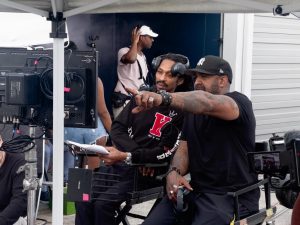
Being filmed can feel intimidating, especially if you are not used to cameras or production environments. Lighting equipment, microphones, and crew members can make the setting feel formal or unfamiliar.
To stay grounded, focus on breathing slowly and evenly. Give yourself time before answering questions. There is no need to rush. Documentary interviews are designed to capture thoughtful responses, not rapid ones.
It also helps to remember that filming is a collaborative process. The crew is there to support you, not judge you. If you need a moment to gather your thoughts, it is perfectly acceptable to pause.
Over time, many subjects find that they forget about the camera entirely. Once the conversation becomes meaningful, the technical environment fades into the background.
What to Wear for a Documentary Interview
Clothing choices can influence how comfortable you feel and how you appear on screen. The goal is to look natural, confident, and consistent with your personal identity.
Consider these general guidelines:
- Choose clothing that reflects your everyday style
- Avoid overly bright patterns or distracting graphics
- Select comfortable fabrics that allow relaxed movement
- Wear colors that complement rather than dominate the frame
Most importantly, wear something that makes you feel like yourself. Authenticity in appearance supports authenticity in expression.
Listening Is Just as Important as Speaking
Strong interviews are built on attentive listening. Understanding the intent behind each question helps you respond thoughtfully and fully.
If a question feels unclear, it is perfectly acceptable to ask for clarification. Misunderstandings can lead to incomplete or confusing responses, so taking a moment to ensure clarity benefits everyone involved.
Listening also helps you remain present. Rather than planning your next answer while the interviewer is speaking, focus on the conversation itself. This creates a more natural rhythm and allows genuine reactions to emerge.
Embracing Silence and Reflection
Silence often feels uncomfortable in everyday conversation, but in documentary interviews it can be powerful. Moments of quiet reflection give you space to process memories and emotions.
If you need time to think, take it. Thoughtful pauses communicate sincerity and depth. They also allow filmmakers to capture emotional transitions that words alone cannot express.
Some of the most meaningful statements emerge after a moment of silence. Allow yourself that space.
Honesty Builds Trust With the Audience
Authenticity is the foundation of documentary storytelling. Audiences respond to honesty even when emotions are complex, uncertain, or difficult to articulate.
You do not need to present yourself as perfectly composed or completely certain. Real experiences are often layered and evolving. Expressing complexity adds credibility and emotional richness.
If you do not remember something clearly, say so. If your feelings changed over time, explain how and why. Transparency strengthens the integrity of the story and deepens audience connection.
Working With the Interview Environment
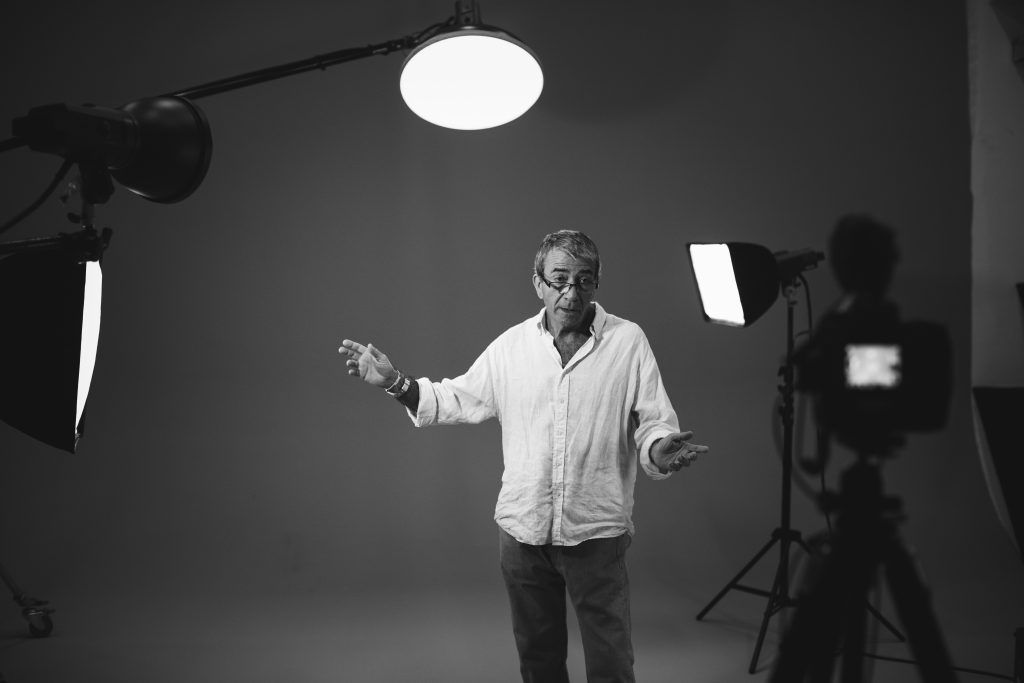
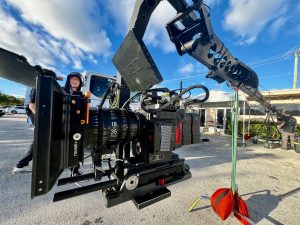
Documentary interviews are carefully arranged to support both visual storytelling and subject comfort. Lighting, framing, and sound equipment all serve a purpose, even if they feel unfamiliar at first.
Try to remain physically relaxed. Sit naturally, keep your posture comfortable, and avoid excessive movement that might distract from your words. Small gestures are welcome they often enhance emotional expression but aim for calm, steady presence.
If something feels uncomfortable, communicate openly. Adjustments can often be made quickly to help you feel more at ease.
After the Interview: What Happens Next
Once filming ends, many subjects wonder how their words will be used. Documentary interviews are typically edited for clarity, pacing, and narrative flow. This process shapes individual responses into a cohesive story.
Editing does not aim to change meaning it aims to present your perspective in a way that supports the film’s structure. Trust between filmmaker and subject is essential during this stage.
If follow-up questions arise later, they are often intended to clarify or expand on important ideas. Ongoing communication helps ensure accuracy and completeness.
Final Thoughts: Your Voice Shapes the Story
Participating in a documentary interview is a meaningful experience. You are not simply answering questions you are contributing to a story that may inform, inspire, or move audiences in profound ways.
Preparation helps you feel confident. Authenticity helps audiences connect. Openness helps the story breathe.
At Global Filmz Studios, we believe the most powerful documentary moments come from genuine human expression. When subjects speak honestly and comfortably, the camera captures something timeless not just information, but truth.
If you approach your interview with reflection, presence, and trust, you will not only tell your story you will help audiences feel it.
And that is what documentary storytelling is truly about.
FAQs on Interview Tips for Documentary Subjects
Documentary interviews are powerful storytelling tools that allow real people to share real experiences with authenticity and emotional depth. However, many individuals who participate in documentaries especially for the first time have questions about what to expect, how to prepare, and how to communicate effectively on camera.
At Global Filmz Studios, we work closely with documentary subjects to help them feel confident, comfortable, and fully prepared for the interview experience. Over time, we have noticed that many people ask similar questions before filming begins. Understanding these concerns is an important part of building trust and ensuring meaningful storytelling.
Below, we answer the most frequently asked questions about documentary interviews, offering practical insight and professional guidance to help you feel ready to share your story with clarity and confidence.
What Is the Purpose of a Documentary Interview?
A documentary interview helps bring real-life experiences into the narrative structure of a film. Rather than simply presenting facts or events, interviews provide emotional context, personal perspective, and human connection. They allow audiences to understand not just what happened, but what it meant to the people who lived through it.
At Global Filmz Studios, interviews serve as the foundation of authentic storytelling. They provide voice, depth, and meaning to the documentary’s message. Every answer you give helps shape how viewers interpret the story and connect with its themes.
How Should I Prepare Before My Interview?
Preparation is less about memorizing responses and more about reflecting on your experiences. Think about the key moments, memories, and emotions that define your story. Consider how events unfolded, what you learned, and why those experiences remain important to you today.
It also helps to rest well, arrive with an open mindset, and allow yourself time to settle into the environment before filming begins. Mental and emotional readiness often matters more than rehearsed answers. When you understand your own perspective clearly, your responses will feel natural and genuine.
Read More
Practicing is helpful if it means organizing your thoughts, but memorizing exact wording is not recommended. Documentary interviews are most effective when they feel spontaneous and sincere. Over-rehearsed answers can sound rigid or disconnected from emotion. Instead of scripting responses, focus on understanding your experiences and being ready to describe them clearly. If you feel comfortable talking about your story in everyday conversation, you are already well prepared. The filming environment typically includes lighting equipment, cameras, microphones, and crew members working to capture both sound and visuals clearly. While this setup may seem formal at first, the interview itself is usually conducted in a calm, conversational tone. You may be asked open-ended questions that invite detailed responses. Interviewers often encourage storytelling rather than short answers. Pauses, follow-up questions, and moments of reflection are all normal parts of the process. Filming may take time because documentary storytelling values depth and accuracy. Patience helps the conversation unfold naturally. In most cases, you will be asked to look at the interviewer rather than directly into the camera. This creates a natural conversational dynamic that feels more authentic to viewers. However, filming styles vary, and the crew will guide you clearly on where to focus your gaze. The most important thing is to maintain relaxed, consistent eye contact with the person you are speaking to. This helps your responses feel grounded and sincere. Feeling nervous is completely normal, especially if you are new to being filmed. Cameras, lights, and unfamiliar surroundings can make anyone feel self-conscious at first. The key is not to eliminate nerves but to manage them calmly. Slow breathing, relaxed posture, and steady pacing help reduce tension. Taking time to think before speaking also allows you to stay composed and focused. Remember that documentary interviews are not performances. They are conversations. The crew wants you to feel comfortable because comfort leads to authenticity. Detailed answers are extremely valuable in documentary storytelling. Specific memories, descriptions, and reflections help bring your experiences to life. Rather than summarizing events, try to describe what happened step by step and explain how you felt along the way. Rich detail helps viewers visualize your experiences and connect emotionally. When you share sensory impressions what you saw, heard, or felt your story becomes more vivid and impactful. Yes, and it is often encouraged. Taking a moment to think allows you to respond thoughtfully rather than react quickly. Silence is not a problem in documentary interviews it is a tool that allows reflection and emotional processing. Some of the most meaningful responses emerge after a brief pause. Giving yourself time to gather your thoughts leads to clearer and more genuine communication. Clothing should feel natural, comfortable, and reflective of your personal identity. The goal is to present yourself authentically while avoiding distractions that might draw attention away from your words. A few helpful guidelines include: Comfort plays a major role in how you express yourself. When you feel at ease physically, you communicate more naturally. Absolutely. Documentary interviews can be emotionally intense, mentally demanding, or simply tiring over time. If you need a break to rest, regroup, or process your thoughts, it is perfectly appropriate to request one. Open communication supports a positive filming experience. When you feel supported, your responses become more focused and meaningful. If a question feels unclear, confusing, or difficult to answer, it is completely acceptable to say so. You can ask for clarification, request more context, or take time to think. Interviewers expect this and are prepared to help guide the conversation. There is no expectation that you must have immediate or perfect answers. Honesty about uncertainty is often more valuable than forcing a response. The level of personal detail you share should reflect your comfort level. Documentary storytelling often benefits from emotional openness, but participation should always feel respectful and voluntary. Share what feels meaningful and appropriate to you. Authenticity does not require oversharing it requires sincerity. When you speak from a place of honesty and comfort, your story naturally resonates. Yes, documentary interviews are typically edited to fit the film’s narrative structure. Editing helps shape long conversations into clear, focused storytelling. However, the goal is to preserve meaning and authenticity, not to change your perspective. Editing helps organize ideas, improve pacing, and support the overall flow of the documentary. Trust and transparency between filmmakers and subjects are essential throughout this process. Interview length varies depending on the depth of the subject matter and the complexity of the story. Some conversations unfold quickly, while others require extended time to explore experiences fully. Rather than focusing on duration, it is more helpful to approach the interview with patience and openness. The conversation continues for as long as it needs to capture meaningful insight. Powerful interviews share several common qualities. They feel genuine, emotionally grounded, and vividly descriptive. They allow viewers to experience events through personal perspective rather than distant observation. Strong interviews often include: When these elements come together, the interview becomes more than information it becomes human connection. After filming concludes, the production team reviews and organizes the recorded material. Your responses become part of a larger storytelling framework that may include visuals, sound design, and additional perspectives. In some cases, follow-up communication may occur to clarify details or expand on certain topics. Continued collaboration helps ensure accuracy and completeness. Authenticity comes from presence. Focus on the conversation rather than the equipment around you. Speak honestly, think carefully, and allow your natural communication style to guide you. Avoid trying to impress or perform. Documentary audiences connect with sincerity, not perfection. When you speak as yourself calmly, thoughtfully, and openly authenticity naturally follows. Trust allows meaningful storytelling to emerge. When subjects feel respected and supported, they share more openly. When communication is transparent and collaborative, the entire filmmaking process becomes stronger. At Global Filmz Studios, building trust is central to every interview. Respectful listening, clear communication, and thoughtful preparation create an environment where genuine stories can be told. Participating in a documentary interview is a unique and meaningful experience. It gives you the opportunity to share your perspective, preserve your story, and contribute to a narrative that may inform and inspire others. Questions are a natural part of the process, and understanding what to expect helps you approach the experience with confidence. Preparation, openness, and authenticity remain the most important elements of a successful interview. At Global Filmz Studios, we believe every story deserves to be told with care, clarity, and respect. When documentary subjects feel comfortable and empowered, their voices create powerful connections that resonate far beyond the screen. Your story matters. Your voice matters. And when you share it honestly, it becomes part of something lasting and meaningful.Do I Need to Practice My Answers in Advance?
What Should I Expect During the Filming Process?
Where Should I Look During the Interview?
What If I Feel Nervous on Camera?
How Detailed Should My Answers Be?
Is It Okay to Pause Before Answering?
What Should I Wear to My Documentary Interview?
 Can I Ask for a Break During Filming?
What If I Don’t Know How to Answer a Question?
How Personal Should My Responses Be?
Will My Words Be Edited?
 How Long Does a Documentary Interview Usually Last?
What Makes a Documentary Interview Powerful?
What Happens After My Interview Is Completed?
 How Can I Be My Most Authentic Self on Camera?
Why Is Trust So Important in Documentary Interviews?
Final Thoughts From Global Filmz Studios
Recent Comments